
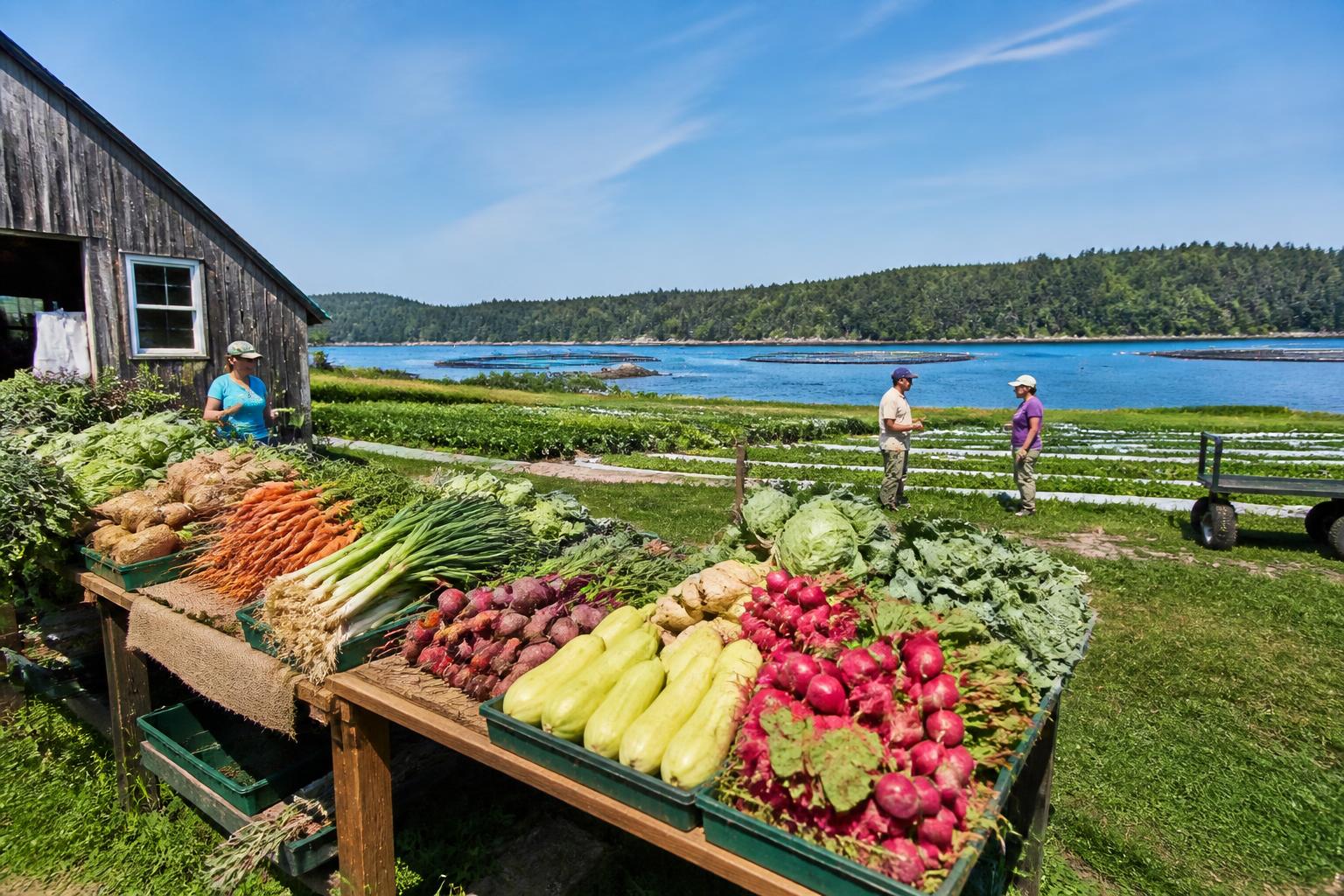
As the summer growing season hits its stride across Maine, producers are navigating a complex environment defined by both new opportunities and persistent operational hurdles. From the rolling fields of the western region to the coastal agricultural hubs, farmers are focused on optimizing yields and maintaining soil vitality during these critical high-heat weeks.
State-level support remains a key focus, with recent initiatives like the Maine Healthy Soils Program providing essential funding to assist growers in building resilience against shifting weather patterns. These investments are particularly vital for livestock and hay producers who may be managing the residual impacts of variable precipitation cycles on their seasonal yields.
Land Preservation and Strategic Growth
Beyond the field, land management remains a primary concern for the Maine agricultural community. Strategic efforts to protect prime farmland, such as recent zoning and development oversight in areas like Auburn, reflect a broader push to ensure that high-quality acreage remains available for future production rather than being transitioned into solar or commercial development.
For those interested in the evolving dynamics of local production, understanding these market pressures and operational headwinds across Maine agriculture is essential for effective seasonal planning. The balance between maintaining traditional farm output and adopting modern, sustainable practices continues to shape the regional landscape.
Looking Ahead
As summer activities transition toward the upcoming harvest window, agribusinesses should prioritize logistics and supply chain efficiency. Maintaining strong relationships with local suppliers and keeping a close watch on regional infrastructure remains a standard best practice for operators looking to mitigate volatility.
What it means for the market: Producers who prioritize soil health investments and actively engage in local land-use discussions are better positioned to navigate long-term operational costs. For grain handlers and input buyers, the focus should remain on monitoring local supply availability as the state’s agricultural sector continues to adapt to both environmental and development-related pressures.
Comments
No comments yet - be the first to share your take.