
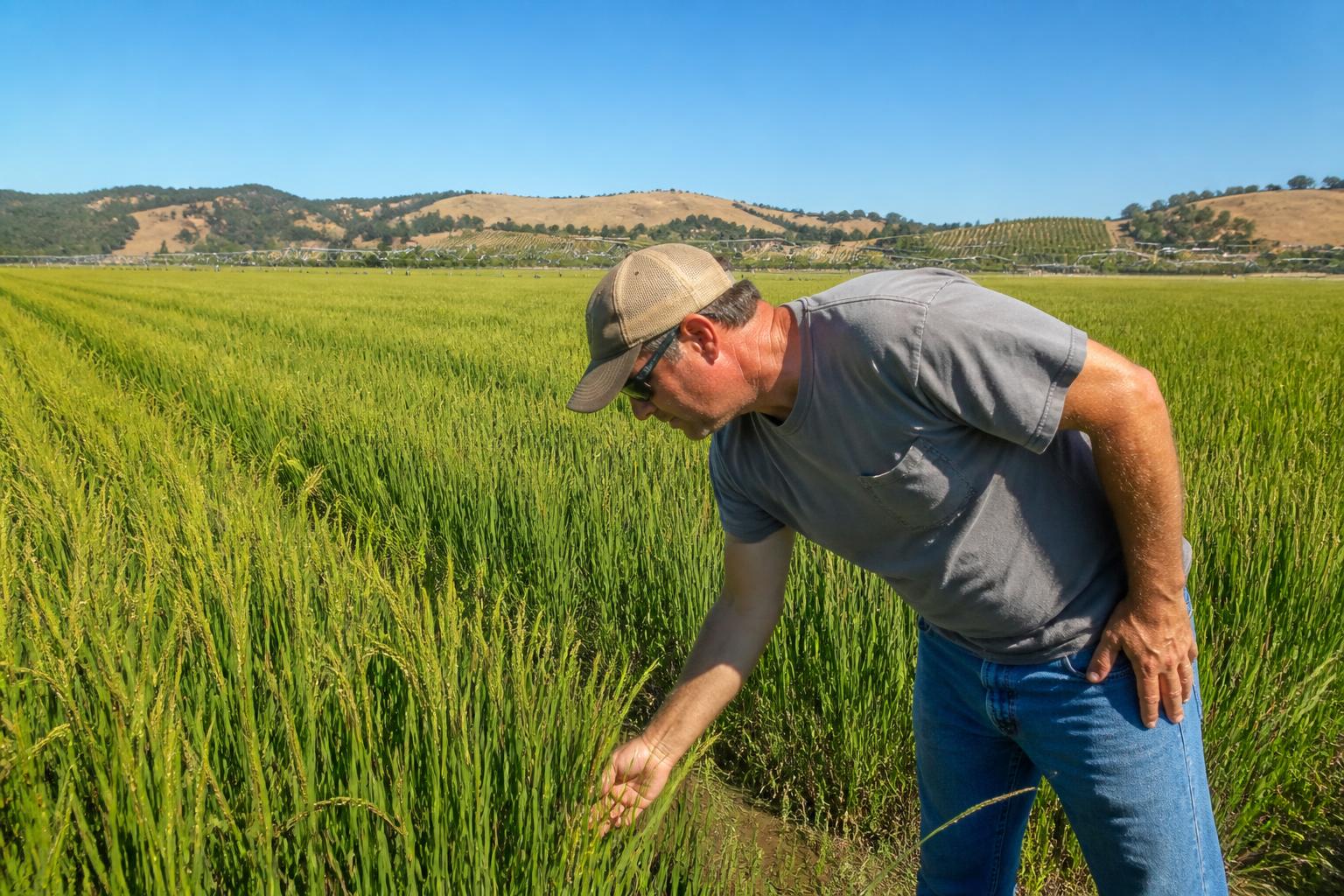
As we move through the heart of the summer season in California, producers are facing a multi-faceted challenge. From the Central Valley to the state's coastal regions, the pressure on operational budgets remains high. Growers across diverse sectors, including specialty crops and grains, are reporting that the rising cost of essential inputs remains a primary concern for their bottom lines.
These financial headwinds occur alongside ongoing policy and regulatory debates that directly impact day-to-day farm management. In many parts of the state, these conversations focus on everything from water security to emerging standards for crop inputs. For those looking at California field crops, these regulatory and cost pressures often complicate long-term planning and investment decisions during the critical harvest window.
Water and Environmental Challenges
The agricultural landscape in California continues to deal with environmental variables that complicate standard production cycles. With potential climate shifts like La Niña influencing regional weather patterns, concerns regarding water availability remain a significant factor for irrigation management. Furthermore, growers continue to address localized pest management issues, such as the persistence of invasive species that can impact crop health and increase the need for targeted protection strategies.
Successfully navigating these logistical and environmental hurdles often requires a proactive approach to resource allocation. Understanding the broader context of California crop protection and operational costs is increasingly vital as producers seek to maintain margins while navigating these shifting market dynamics.
What it means for the market
For California agribusinesses, the current environment necessitates a lean approach to supply chain and input management. As we look ahead, the ability to pivot in response to potential policy changes and evolving seasonal conditions will likely be the differentiator for those maintaining competitiveness in a high-cost environment. Staying informed on regional trends and leveraging localized data will be key to managing risk throughout the remainder of the growing season.
Comments
No comments yet - be the first to share your take.