
The Evolving Landscape of California Crop Protection
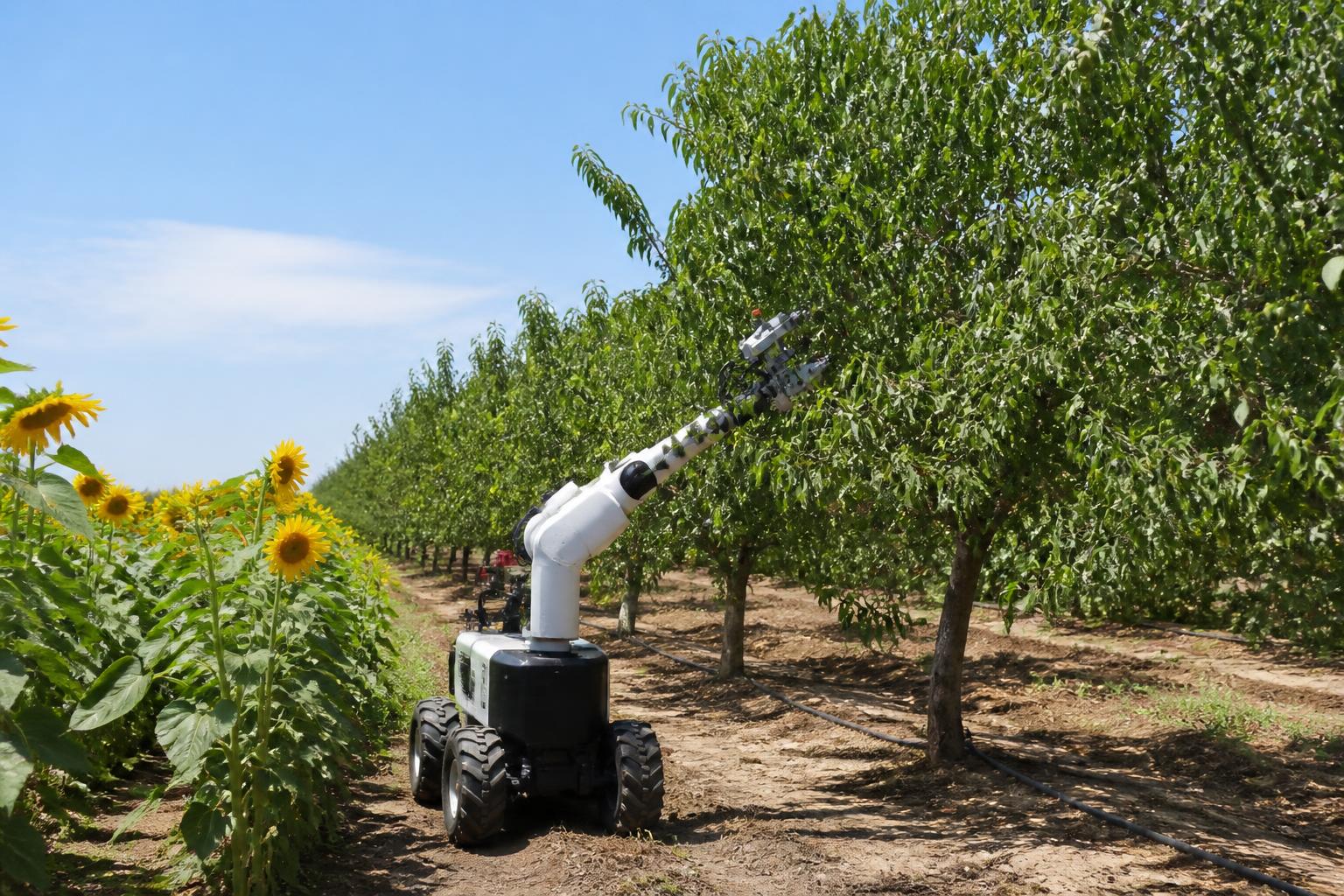
As we move deeper into the summer, California producers are contending with a complex mix of economic and operational variables. Managing input costs, particularly regarding fertilizer and crop protection, remains a primary focus for operations across the Central Valley. The integration of advanced technology is beginning to play a more visible role in how growers address these challenges, with increasing interest in automated solutions like UV-C light robots to combat powdery mildew, potentially offering a path toward reducing dependency on chemical inputs.
For many, the logistical challenge of managing agricultural supply chains remains just as critical as biological control. Recent activity in Central Valley industrial leasing indicates that stakeholders are shoring up infrastructure, a move that may assist in streamlining the movement of goods during this busy harvest period. For those interested in the broader logistical landscape, understanding the pressures of California harvest logistics is essential for anticipating potential bottlenecks before they impact your bottom line.
Water Security and Investment Trends
Water access remains the single most significant factor influencing production strategies across the state. Ongoing debates regarding water storage and efficiency continue to shape policy conversations, with many growers closely monitoring how these changes will affect long-term planning and investment stability. Investment interest in California farmland continues, even as operators grapple with the dual pressures of economic volatility and regulatory shifts.
As specialized funds and independent investors continue to acquire and manage crop properties, producers are looking for ways to maintain margins through innovation. Adapting to these shifts requires a keen eye on operational overhead, especially as labor and water efficiency standards evolve. For operators navigating these shifts in the field, staying informed on seasonal shifts and trade outlooks can help in making informed decisions about crop placement and resource allocation.
What it means for the market
Producers should prepare for a season defined by continued cost vigilance. While technological advancements like precision robotics offer potential efficiency gains, the immediate market reality is one of tight margins. Success this season will likely favor those who prioritize water efficiency, infrastructure utilization, and proactive resource management to mitigate the impact of ongoing market volatility.
Comments
No comments yet - be the first to share your take.