
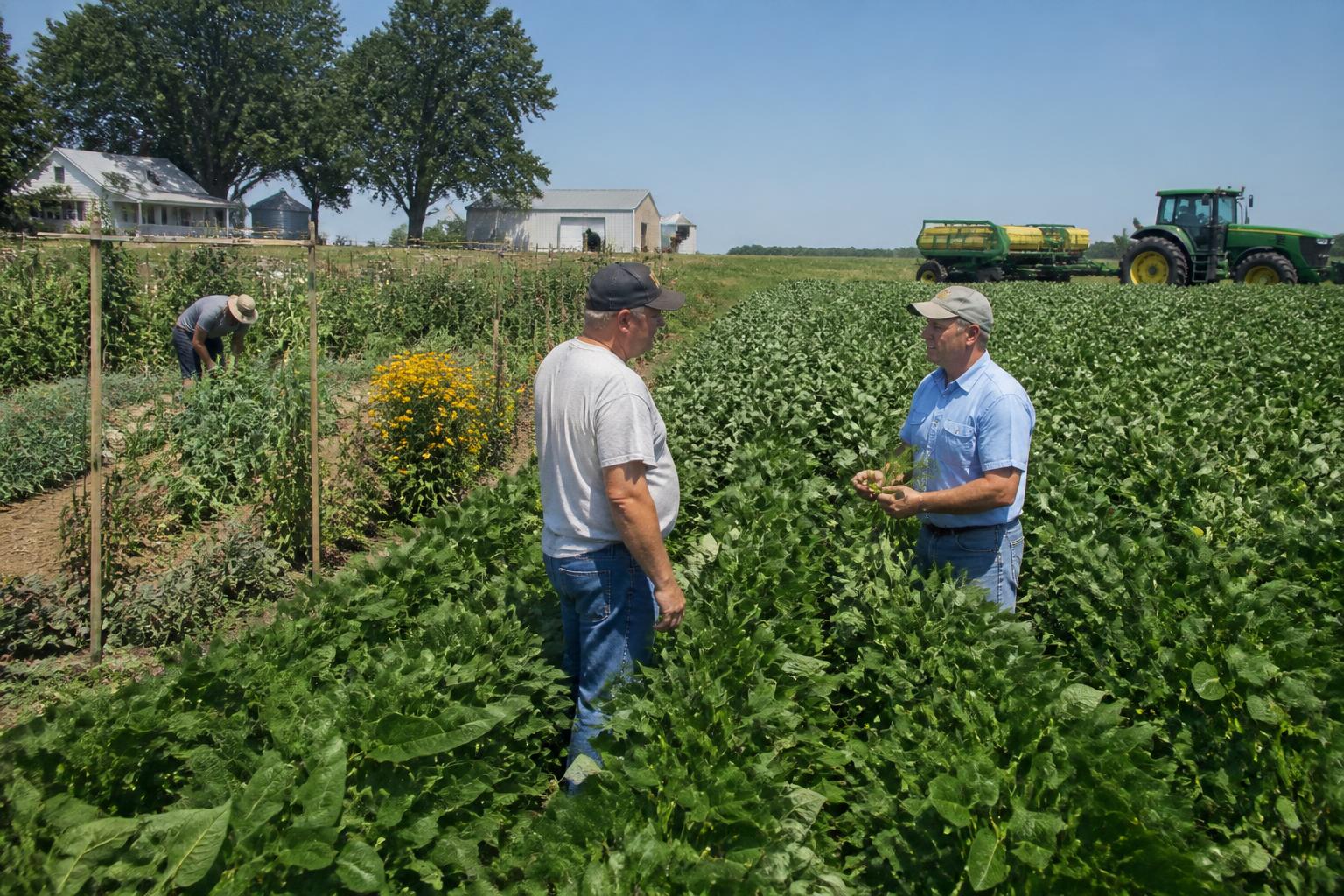
The Pressure on Seasonal Agribusiness Costs
For many Michigan producers, the summer season often brings a complex blend of field management requirements and logistical challenges. As operations move toward late-summer milestones, regional growers are carefully navigating the impact of rising fuel costs on their transport and distribution networks. From the central grain corridors to the diverse vegetable production regions of the state, managing the price of diesel and transport logistics remains a central component of maintaining seasonal profitability.
Strategic Logistics for Michigan Producers
Efficiency has become a primary focus for those moving inputs and harvests across the state. Producers are increasingly looking for ways to streamline their operations, whether it involves optimizing route planning for livestock transport or timing deliveries to maximize load capacity. In managing late-season field risks, logistics play a critical role, as timely access to input supplies often dictates the success of pest and nutrient management programs during peak heat.
Moreover, collaborative efforts are emerging as a way for smaller operations to compete in a tight market. Organizations and cooperatives are assisting farmers with distribution hurdles, helping to ensure that local goods reach their destination without being disproportionately burdened by high transit expenses. This focus on cooperative logistics is proving essential as the industry works to remain agile amidst broader economic volatility.
Infrastructure and Resource Management
Beyond fuel and transport, the broader Michigan agricultural landscape is seeing a renewed focus on regional infrastructure. With state-level grant funding and industry support initiatives, there is a push to modernize how products are moved and processed locally. These improvements can, in some cases, provide a buffer against supply chain shocks. Farmers who prioritize early planning for their transport needs are often better positioned to handle the seasonal fluctuations inherent in the Michigan market, particularly when navigating the balance between grain quality risks and cost pressures.
What it means for the market
For Michigan agribusinesses, the takeaway is clear: operational margins are increasingly tied to logistical foresight. By monitoring fuel trends and leveraging local cooperative networks, producers can mitigate some of the uncertainties currently facing the state's agricultural economy. Staying proactive with equipment maintenance and route coordination will remain vital throughout the remainder of the summer.
Comments
No comments yet - be the first to share your take.