
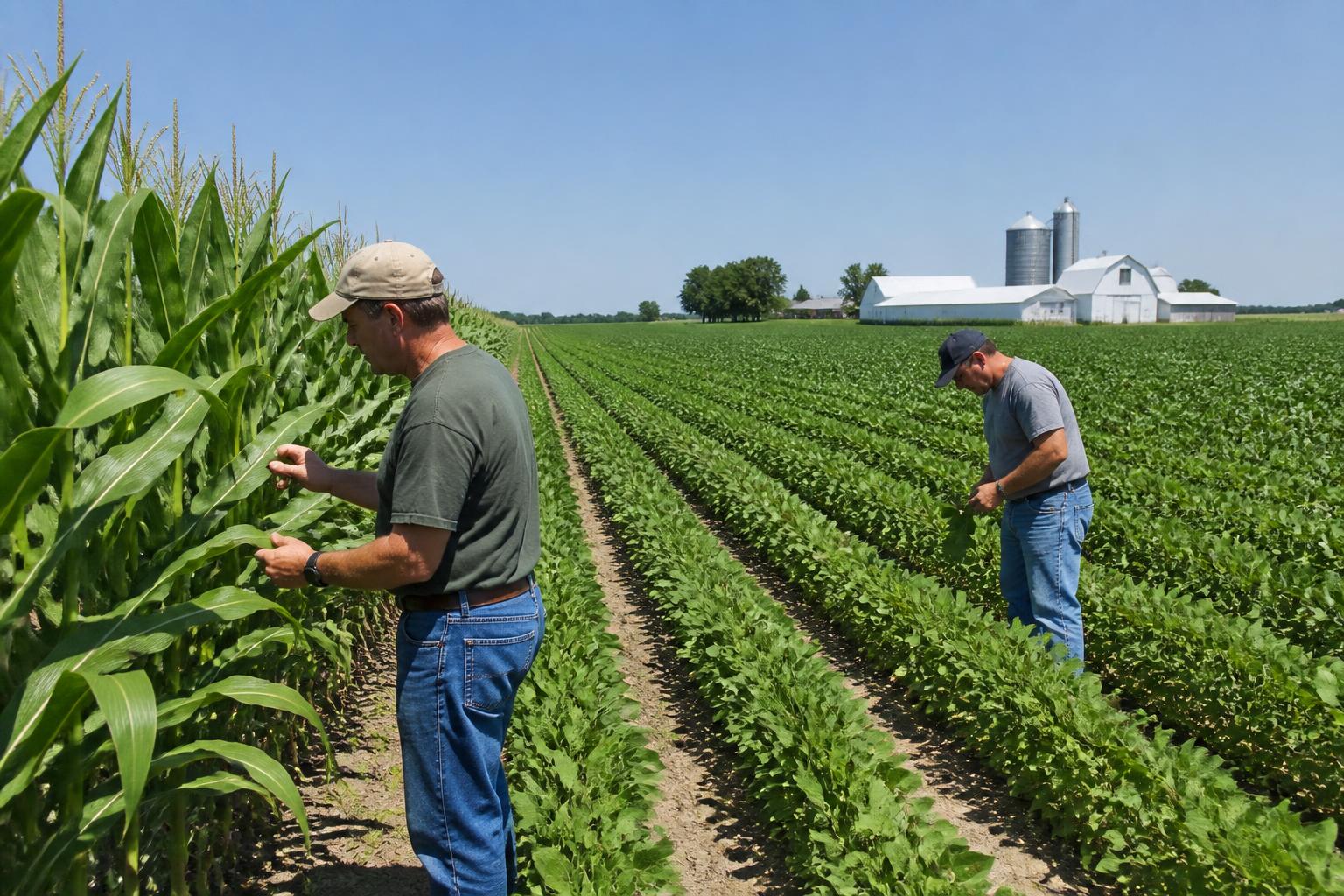
Mid-summer is a critical window for Michigan growers, as the focus shifts toward protecting established crop potential. With fields across the state currently at sensitive growth stages, managing the threat of emerging pathogens and field-level risks is essential for maintaining harvest-ready status. Vigilance in monitoring for common regional threats remains a priority for producers aiming to maximize ROI during this intense growth period.
New pressures are becoming increasingly apparent as the season progresses. Growers are navigating challenges ranging from evolving fungal threats to the emergence of new crop diseases in Midwest soybean populations. Beyond biological risks, producers should remain mindful of the logistics landscape. Stable grain infrastructure and reliable transport networks are vital components of farm-gate health, especially as the industry continues to integrate new, resilient supply chain investments across the region.
Prioritizing Crop Health and Input Efficiency
In the current market, success often depends on precise timing for fungicide applications. While technology and new product launches offer advanced control for sugarbeets and corn, the efficacy of these tools hinges on application timing relative to weather patterns and disease pressure. Growers are encouraged to prioritize decisions that favor long-term profit margins over volatile short-term pricing, ensuring that every input spend contributes directly to final yield.
Effective crop protection also extends to monitoring local environmental conditions. Whether managing weed competition in vegetable plots or addressing the spread of foliar diseases like tar spot in corn, consistent scouting remains the most effective defense. By leveraging university-backed diagnostic resources, producers can better allocate their resources and reduce the need for reactive, high-cost interventions later in the season.
Logistical Considerations for Producers
Market stability is further supported by a robust grain logistics network. Recent grant programs aimed at strengthening regional food systems demonstrate an ongoing commitment to infrastructure, providing more reliable pathways for local production to reach processing facilities. As always, producers should assess their own on-farm storage capacities to ensure they have the flexibility to manage harvest flow efficiently, regardless of immediate market fluctuations.
What it means for the market
For Michigan agribusinesses, the current outlook emphasizes the importance of defensive management. By staying ahead of pathogen spread and maintaining reliable transport and storage connections, growers can better position themselves to mitigate the impact of unforeseen disruptions and optimize their bottom line through the end of the summer season.
Comments
No comments yet - be the first to share your take.