
Adapting to Evolving Input Technologies
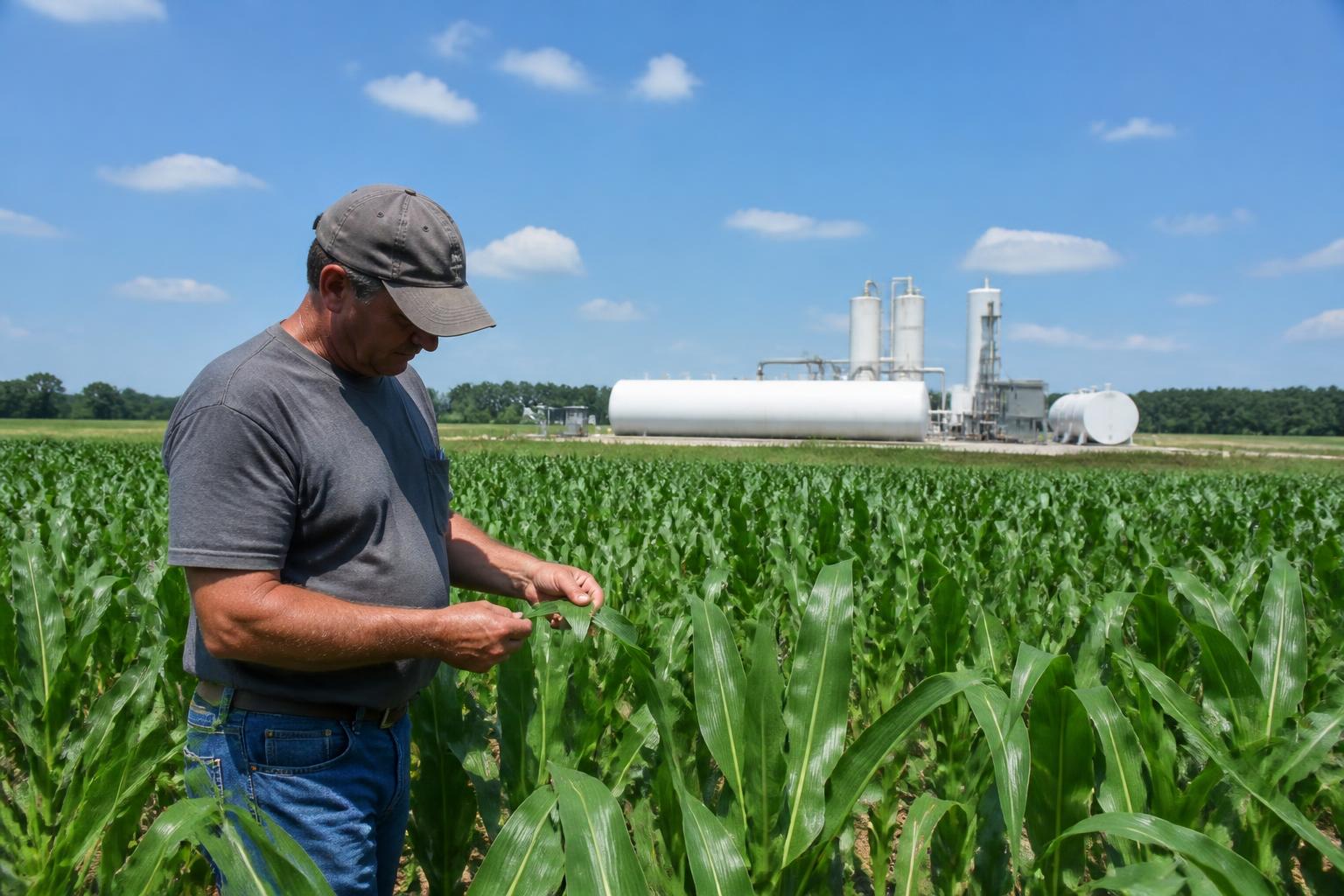
Massachusetts agribusinesses are closely watching developments in the supply chain as new ammonia production technologies emerge. Recent licensing agreements between industrial chemical entities and research laboratories suggest a long-term shift toward more decentralized or efficient synthesis methods. For local operations, these advancements may eventually influence the cost structure of nitrogen-based inputs, provided that scaling processes prove effective for mid-scale agriculture. Staying informed on these trends is essential for growers looking to optimize their mid-summer supply cycles and prepare for future purchasing windows.
Interpreting Market Signals and Field Health
Beyond inputs, the current summer cycle requires a heightened focus on field-level data to anticipate the direction of the season. Predictive farming is increasingly defined by the ability to read nuanced environmental signals. Whether monitoring soil moisture retention across the Pioneer Valley or tracking temperature fluctuations near the coastal corridors, farmers are using historical patterns and current-season metrics to manage risk. During this period of high heat, maintaining precise awareness of regional moisture and crop health metrics is often the deciding factor in maintaining stable yields.
Key Takeaways
- Monitor emerging ammonia production tech for potential long-term input price stabilization.
- Utilize localized environmental data to refine irrigation and nutrient timing during peak summer conditions.
- Maintain lean supply strategies to accommodate for any late-season shifts in input availability.
What it means for the market: As Massachusetts growers navigate the current season, the intersection of technological innovation in fertilizers and data-driven field management remains critical. By aligning input procurement with updated industry technology and regional climate markers, agribusinesses can better position themselves against the unpredictable fluctuations often seen in late summer markets.
Comments
No comments yet - be the first to share your take.