
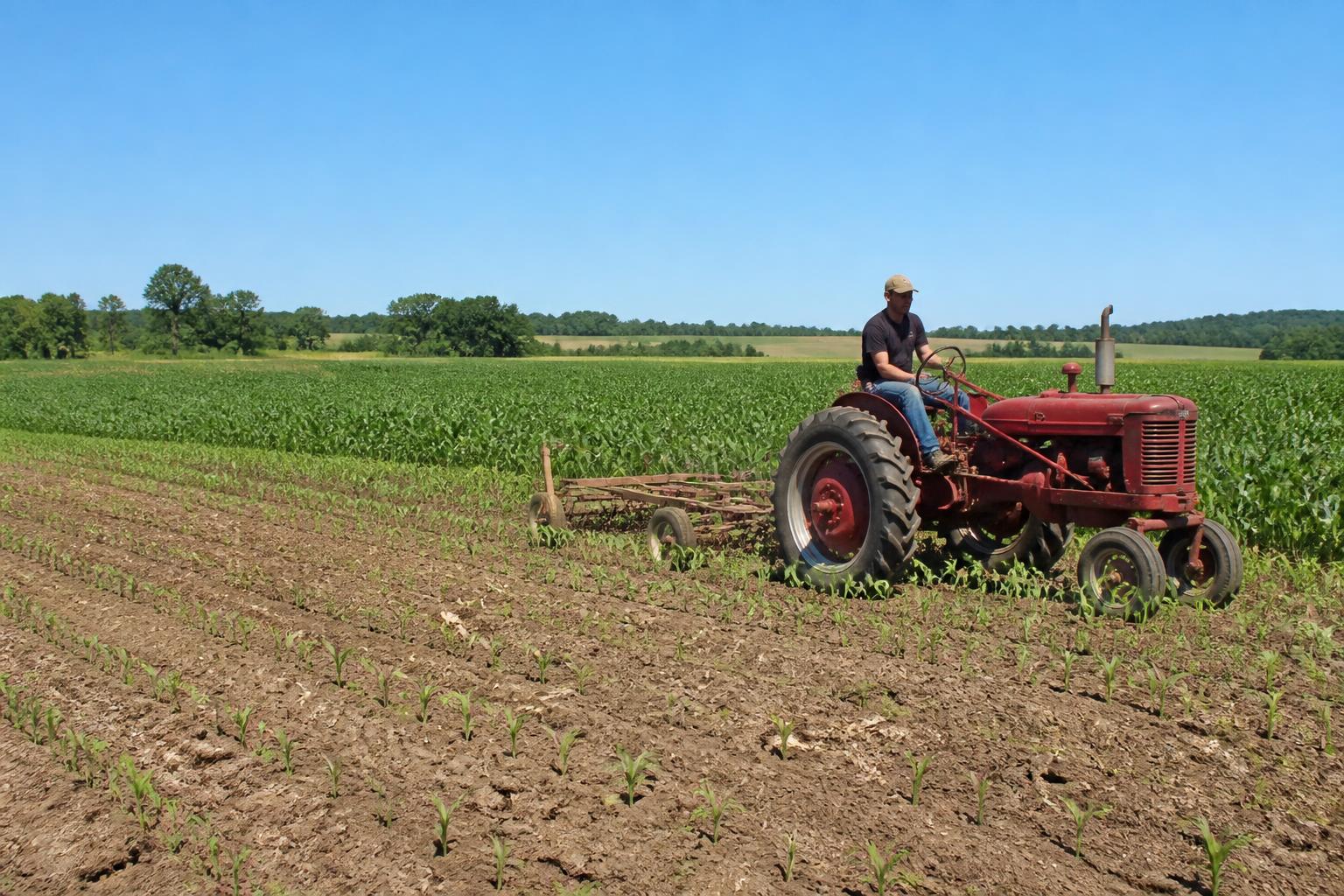
Mid-summer in Massachusetts typically brings a focus on field resilience and the final stages of nutrient management for high-value crops. As we move through August, regional agribusinesses often shift their attention toward managing input costs and securing supply lines for the remainder of the season. Balancing the immediate needs of crop protection and soil health remains a priority for local operations navigating the unique landscape of New England agriculture.
Understanding the broader market pressures impacting inputs is vital for local decision-making. Recent trends in the global fertilizer trade, including significant international supply agreements, may influence regional availability and pricing stability over the long term. While large-scale movements in the global phosphate and nitrogen markets might seem distant, they can eventually ripple through local distribution networks, affecting how Massachusetts growers manage their budget and inventory strategy.
Refining Input Strategies
For many producers, the current season is less about new applications and more about efficiency and preparation. Managing input costs remains a central theme, as the industry continues to look for ways to optimize existing resources. Whether it is addressing late-season pest pressure or adjusting soil fertility, precision is key to maintaining farm profitability in an era of fluctuating costs.
Logistical fluidity is another factor to watch, particularly as summer transportation challenges can impact the timely arrival of essential materials. Agricultural handlers across the Commonwealth are often reminded that maintaining strong communication with suppliers and monitoring regional supply chain performance can help mitigate potential bottlenecks during these busy months.
Sustainability and Long-Term Trends
The conversation around fertilizer usage is increasingly tied to broader environmental stewardship and efficiency. As the agricultural community evolves, there is a growing emphasis on how policy and climate shifts may shape future input requirements. For Massachusetts growers, adapting to these changes often involves a mix of tradition and innovation, ensuring that operations remain productive while adhering to regional soil and water health standards.
What it means for the market: Producers should maintain a proactive stance by securing necessary inputs early and monitoring local supply trends. By staying informed on how global trade shifts and regional logistics impact local availability, agribusinesses can better navigate the remainder of the summer, ensuring that field objectives remain aligned with financial realities.
Comments
No comments yet - be the first to share your take.