
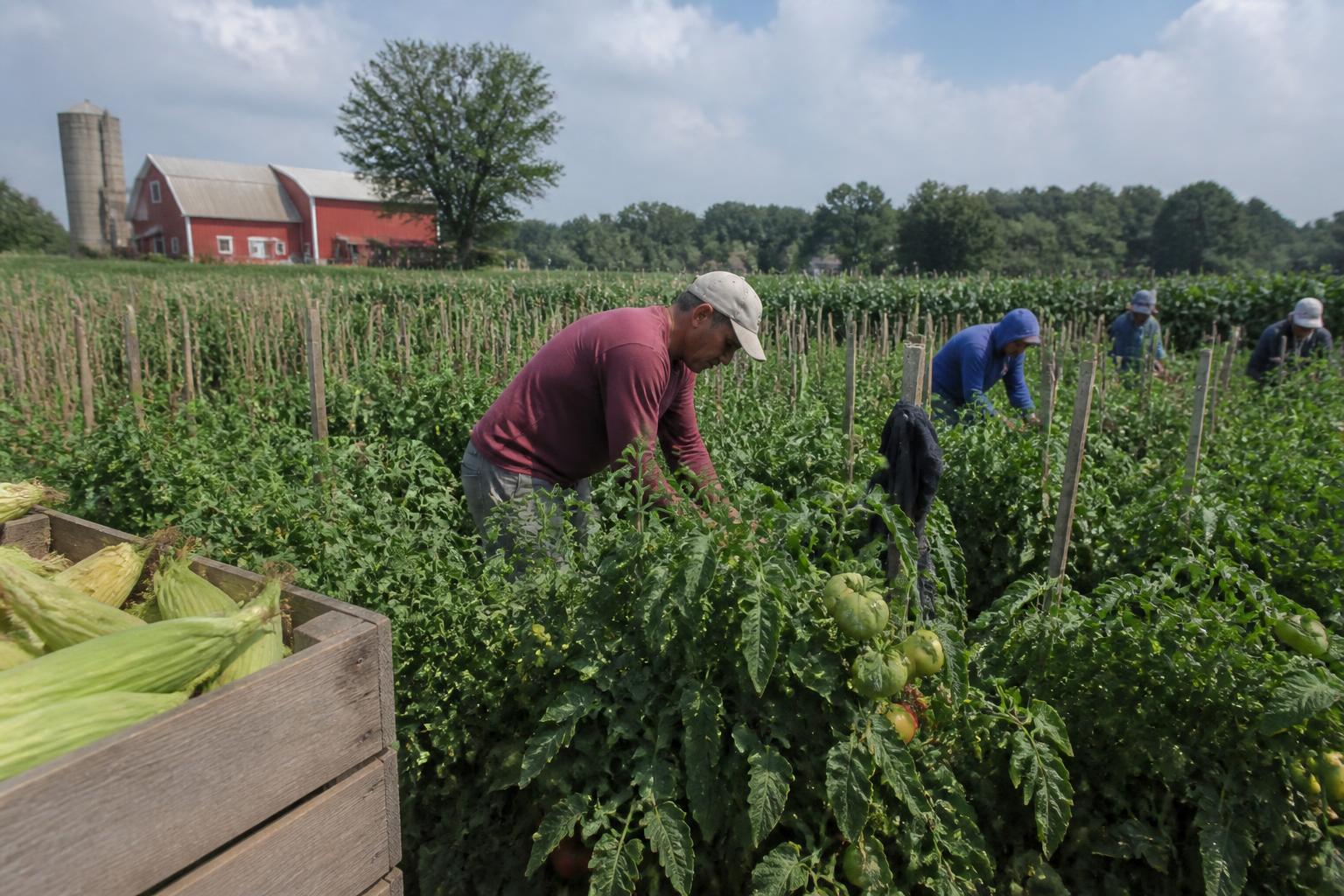
As we move through August, New Jersey's agricultural producers are contending with a complex mix of seasonal operational demands and long-term land-use changes. With the harvest cycle in full swing, farmers across regions like Warren and Hunterdon counties are navigating the balance between maintaining active production and addressing infrastructure hurdles that often complicate local supply chains.
For many producers, the current environment emphasizes the importance of secure and efficient processing access. Recent discussions regarding regional facilities, such as the potential development of a local slaughterhouse, highlight the ongoing need to reduce transit times for livestock operations, helping to mitigate the physical and economic stress associated with hauling animals over longer distances. Staying informed on New Jersey summer market trends remains a vital strategy for growers and handlers looking to optimize their regional logistical footprint.
Land Preservation and Industrial Competition
The competition for space continues to be a defining factor in the state's rural economy. As large-scale industrial projects, such as warehouse complexes, move into formerly farm-zoned areas, the state's farmland preservation programs are working to secure critical acreage. This push to protect agricultural land is not just about environmental conservation; it is an economic imperative that ensures the continued viability of local food systems and protects the heritage of family-run operations.
For those managing agricultural harvest protections during these high-activity months, the focus remains on yield management and mitigating the risks posed by shifting climate patterns and the encroaching industrial footprint.
Market Resilience and Consumer Trust
Despite these external pressures, consumer confidence in local produce remains high. Direct-to-consumer outlets, including agritourism sites and farm stands, are experiencing steady demand. Maintaining this consumer base requires not only consistent quality but also transparency in production standards. As farm operators continue to embrace innovative field tools and sustainable practices, they are better positioned to meet both regulatory expectations and the evolving preferences of the regional market.
What it means for the market: For farmers and agribusinesses in New Jersey, the current climate necessitates a focus on efficiency. Whether it is shortening the supply chain through localized processing or securing land through preservation efforts, the market is favoring those who can navigate infrastructure limitations while leaning into the strength of the local, direct-sales model.
Comments
No comments yet - be the first to share your take.