
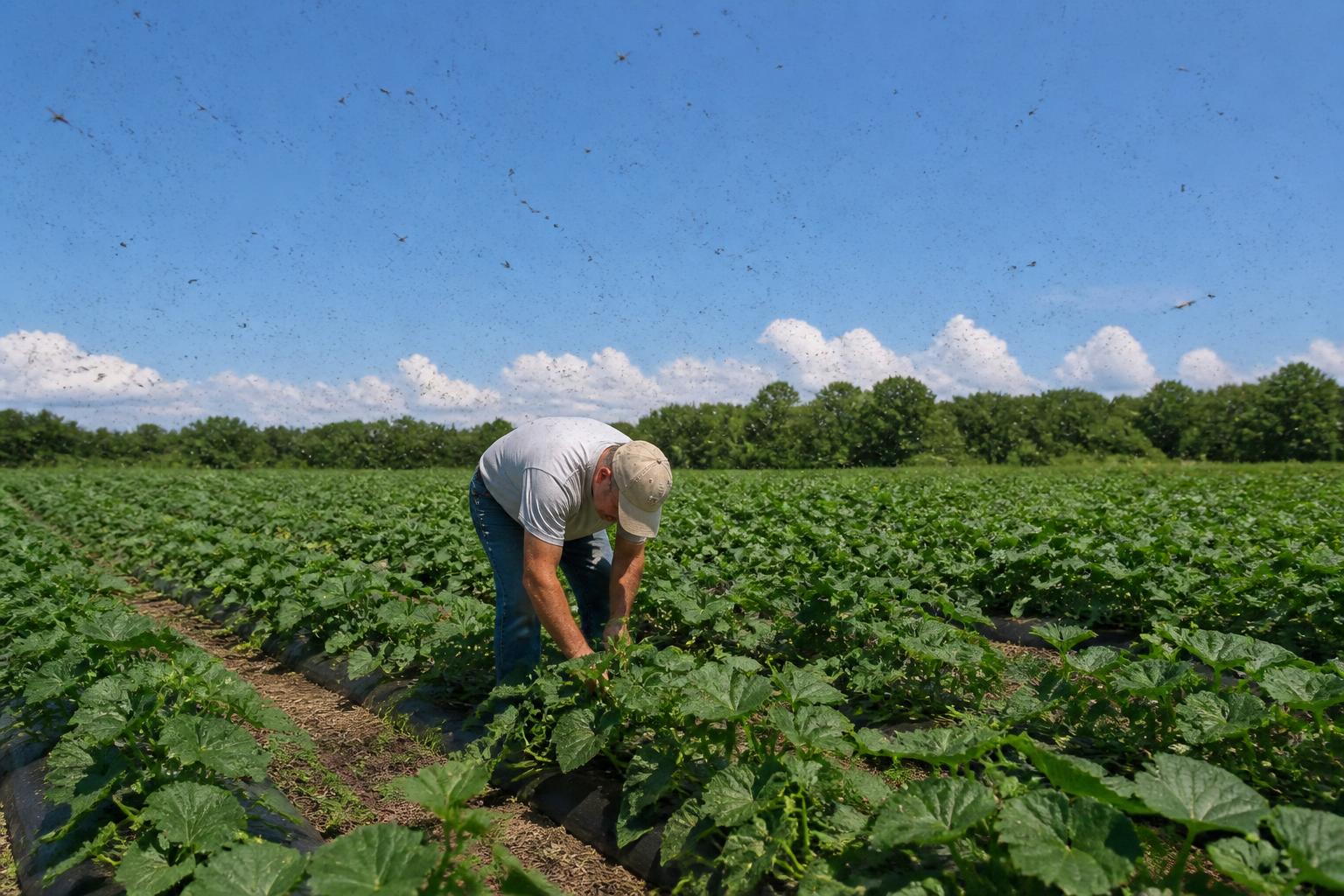
For New Jersey farmers, the height of the summer season is characterized by a mix of intensive fieldwork and defensive maintenance. While the state remains a critical hub for local produce, the agricultural sector continues to balance productivity against environmental and logistical headwinds that can disrupt the growing cycle.
With active harvests underway across many counties, maintaining crop health is the priority. Growers are being advised to remain vigilant regarding integrated pest management strategies. Specifically, the presence of the spotted lanternfly remains a persistent concern for nursery, orchard, and vineyard operations. Implementing consistent monitoring and mitigation protocols is essential for protecting plant vitality throughout these warmer months.
Managing Environmental and Operational Risks
The agricultural landscape in New Jersey often faces complex challenges, from unpredictable spring weather patterns that can cause significant yield disruptions to ongoing labor constraints that influence operational costs. Producers are increasingly looking toward modern field innovation and precision tools to optimize efficiency where labor shortages may otherwise drive up the cost of food production. These technological investments serve as a buffer, helping to sustain productivity in a competitive market.
Furthermore, managing site-specific hazards remains a priority for farm logistics. Beyond pest control, ensuring that farm operations are shielded from environmental contaminants and managing common nuisances like mosquitoes—which can impact staff well-being and field accessibility—are routine parts of the summer management plan. Staying updated on regional logistical hurdles and seasonal outlooks is vital for those managing supply chains between the field and the market.
What it means for the market
The resilience of New Jersey agriculture hinges on the ability of producers to adapt to these seasonal shifts. By focusing on rigorous pest management and leveraging operational efficiencies, growers can better navigate the current market environment. While challenges like extreme weather volatility and input management remain present, the focus on sustainable practices and technology integration provides a pathway for protecting margins and maintaining the consistent supply of quality goods to local and regional channels.
Comments
No comments yet - be the first to share your take.