
Maine agriculture is currently navigating a period of significant operational transition, characterized by both new regulatory developments and the ongoing pursuit of diversified production strategies. Producers across the state are evaluating their input management practices as state authorities move forward with updated approvals regarding pesticide applications, including substances containing persistent chemicals.
For many local farm operations, these regulatory shifts necessitate a closer review of soil health protocols and long-term land safety. Understanding how these updates influence current crop management is a critical priority for producers looking to maintain compliance and public trust in their supply chains. As highlighted in recent summer field strategies regarding nutrient management, maintaining high standards for field inputs remains vital for the long-term viability of Maine's diverse output, ranging from specialty row crops to regional livestock integration.
Adapting Production to Market Pressures
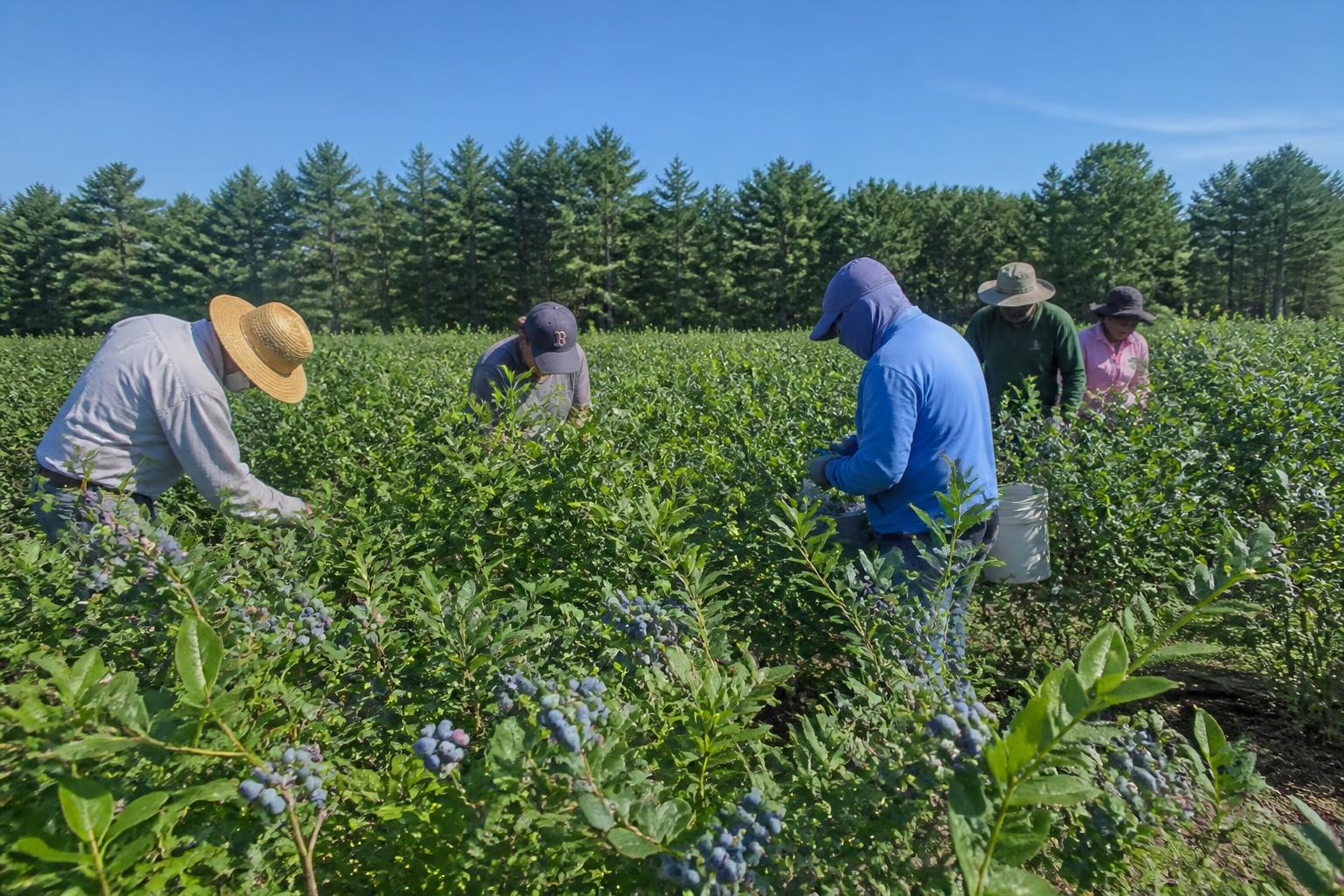
Beyond inputs, Maine farmers are exploring new pathways for profitability. While the state is traditionally recognized for its iconic wild blueberry production, some producers are reconsidering the economic incentives associated with maintaining high-yield acreage. With ongoing discussions about market saturation and the role of agricultural subsidies, many growers are assessing whether diversification into other protein sectors, such as expanding local pork production, offers a more resilient business model.
The search for operational efficiency extends into the broader logistics of the sector, where market pressures and operational headwinds continue to test the agility of local agribusinesses. Whether it is through optimizing the transport of seasonal pollinators or integrating better monitoring tools to track crop quality, farmers are clearly looking to technology and logistical planning to mitigate the impact of rising costs and fluctuating demand.
Building Resilience in the Field
As the summer season progresses, the focus remains on stabilization. For livestock operators and grain handlers alike, staying informed about regional supply chain shifts is more important than ever. Navigating Maine grain markets and local demand requires a balanced approach to both input security and end-product marketing, ensuring that producers can weather unforeseen challenges, whether they originate from domestic market volatility or unexpected regional environmental concerns.
What it means for the market: For Maine agribusiness, the current environment demands a proactive stance on regulatory compliance and a willingness to rethink traditional production cycles. Operators who prioritize transparency in their input usage and show flexibility in their production mix are better positioned to sustain their operations against the evolving landscape of 2026.
Comments
No comments yet - be the first to share your take.