
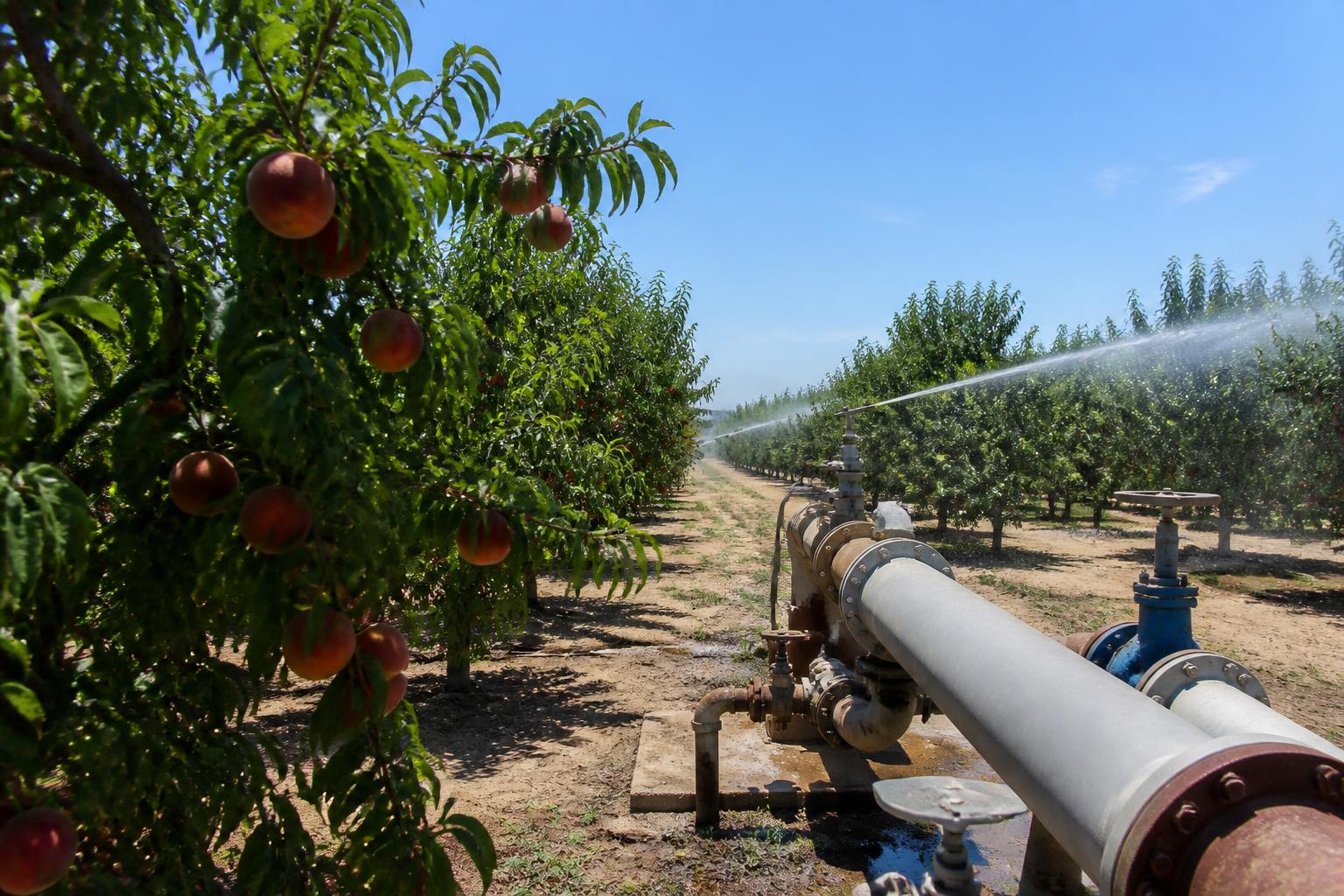
Mid-summer in Arizona brings a unique set of operational hurdles for the state's agricultural sector. As temperatures peak, the logistical strain on the supply chain is compounded by evolving regulatory environments and infrastructure bottlenecks. Producers across the state, from the high desert to the southern valleys, are recalibrating their seasonal strategies to maintain steady flow amid these tightening constraints.
Water Management and Regulatory Pressure
Recent developments in groundwater management continue to occupy the minds of local operators. As the state moves to protect its water security, farmers are adapting to new restrictions that directly impact land use and irrigation planning. This shift is not merely a technical challenge; it is a fundamental change to how businesses calculate their yields and overhead. Effective water management has become a prerequisite for long-term viability, particularly as water-intensive crops face increased scrutiny regarding their resource footprint.
Infrastructure and Cross-Border Logistics
Logistics providers remain cautious as ports of entry face persistent infrastructure and staffing challenges. The movement of goods across the border is a critical artery for Arizona agribusiness, and any slowdown at these checkpoints ripples through the state's regional distribution hubs. Delays at these points, coupled with the seasonal heat, create a demanding environment for carriers tasked with keeping inputs moving to fields and produce heading toward markets.
Adapting to the Mid-Summer Climate
Managing the heat is a standard practice for Arizona producers, yet it remains a primary driver of operational costs. From utilizing specialized geothermal applications to protect orchards to leveraging improved broadband to optimize irrigation efficiency in rural counties, the integration of smart agriculture tech is accelerating. These tools offer a way to mitigate the unpredictable nature of late-summer extremes while maintaining compliance with state mandates. For those looking to streamline their supply chains, navigating these mid-summer transport hurdles requires a proactive approach to communication with freight partners and local authorities.
What it means for the market
For agribusinesses and carriers operating in Arizona, the focus for the remainder of the season must be on agility. With shifting water regulations and potential bottlenecks at transit points, maintaining a buffer in logistics schedules is essential. Staying informed on managing heat and market headwinds will be critical as the industry works to balance sustainability with operational efficiency in a high-stakes environment.
Comments
No comments yet - be the first to share your take.