
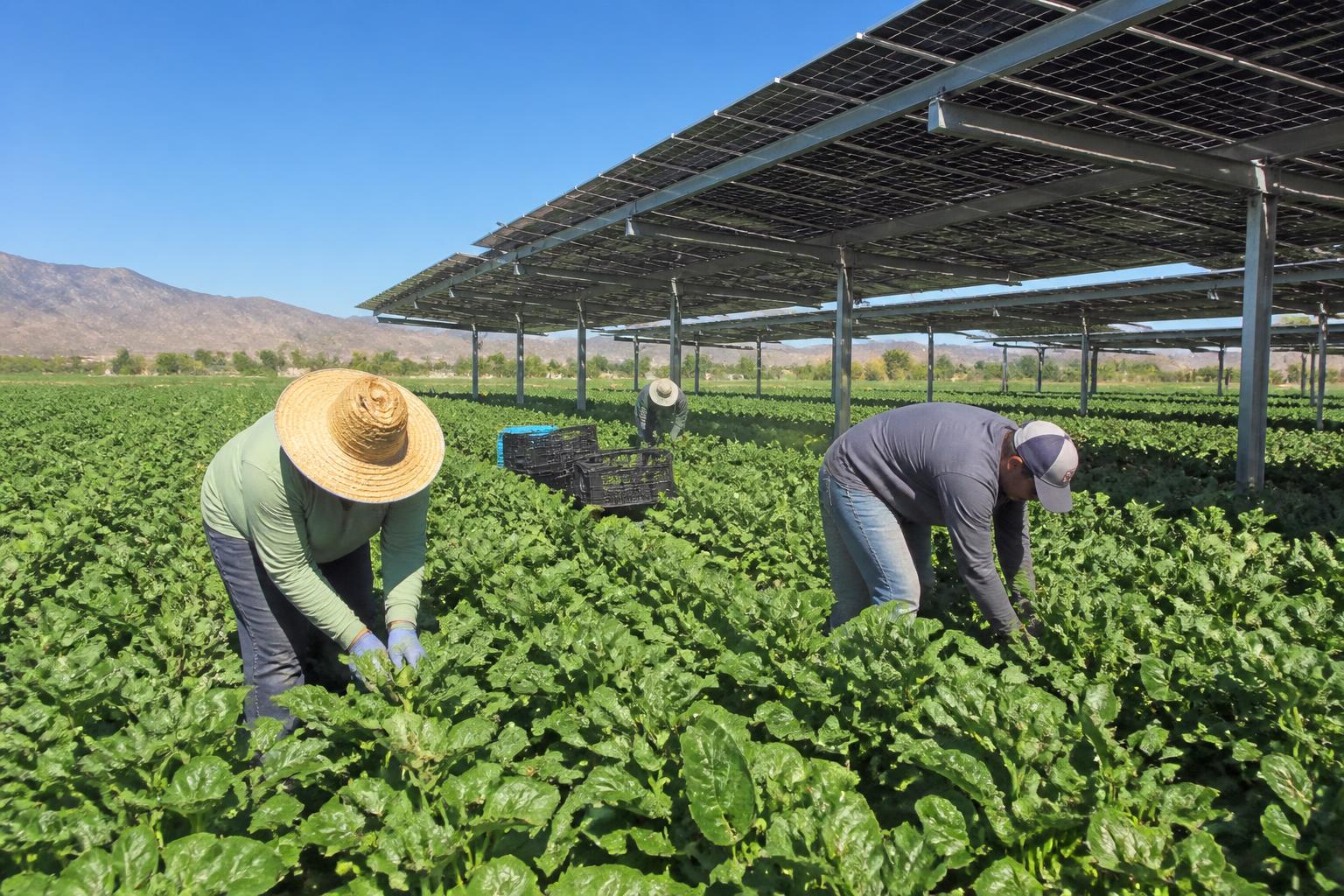
Mid-summer in Arizona brings a unique set of challenges for the state's agricultural sector, where managing logistics in extreme heat remains a primary concern for growers and transporters. From the desert floors of Yuma County to the specialized crop regions throughout the state, maintaining the integrity of inputs and harvested products requires precise timing and careful infrastructure management.
As operations adapt to these seasonal pressures, many are looking at managing heat and market headwinds to ensure that inputs reach their destinations without compromising quality. This often involves adjusting transit schedules to avoid the peak heat of the day, which can impact equipment performance and driver safety across major transit corridors.
Input Efficiency and Resource Management
The focus on operational resilience is extending to how producers source and manage essential crop materials. Innovations in biofertility products and sustainable farming techniques are gaining traction as growers seek to optimize yields while navigating a constrained resource landscape. The integration of these newer products into existing supply chains reflects a broader shift toward modernized, sustainable agricultural practices across the Southwest.
Infrastructure and Transport Outlook
Logistics providers continue to monitor the interplay between fuel costs and regional transportation demands. With the summer heat placing additional strain on mechanical systems, maintenance and preparation for equipment remain critical for preventing costly downtime. Whether moving equipment between fields or coordinating the delivery of specialized soil amendments, the ability to maintain a steady flow of goods remains essential for protecting margins during the height of the growing season.
What it means for the market
For Arizona agribusinesses, the current environment necessitates a proactive approach to supply chain management. By prioritizing early-morning transport windows and leveraging localized, high-efficiency inputs, stakeholders can better mitigate the seasonal risks inherent in desert production. Maintaining consistent communication with regional freight partners and tracking shifts in input availability will be key to navigating the remainder of the summer months successfully.
Comments
No comments yet - be the first to share your take.