
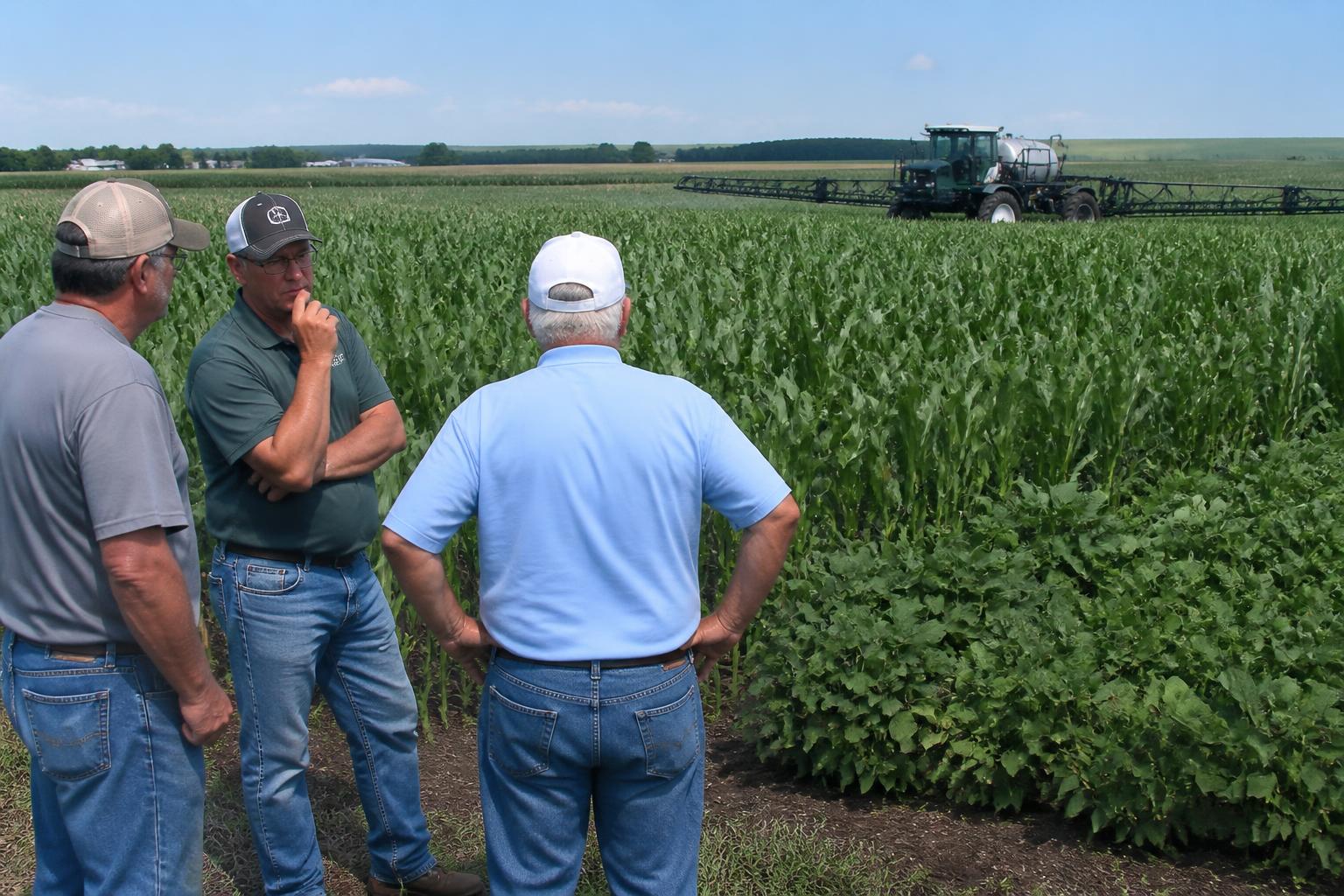
Navigating Input Costs in Kansas Fields
For many Kansas producers, the focus this summer remains squarely on managing the bottom line as input costs, particularly for fertilizer, continue to weigh on operational budgets. Farmers across the state are exploring every available strategy to optimize returns, balancing the need for sufficient soil nutrition with the reality of compressed margins. This financial pressure is driving increased interest in integrating advanced precision technology to ensure that every dollar spent on crop protection and fertility is utilized effectively.
Regulatory Pressure and Precision Adoption
Beyond fiscal challenges, the regulatory landscape for common inputs remains a point of contention. Recent industry discussions reflect significant concern regarding potential restrictions on essential tools like atrazine, with producers actively participating in public comment processes to signal the importance of these chemical inputs for regional stability. To counter the impact of these potential constraints, many growers are increasingly turning to AI-powered smart sprayers. These systems are proving effective at reducing overall herbicide volumes, offering a practical way to manage costs while maintaining rigorous weed control standards in corn and soybean fields.
Seasonal Logistics and Market Outlook
As summer field activities peak, the intersection of crop progress and logistical efficiency remains vital. Whether navigating the logistical hurdles common in our state's key agricultural corridors or preparing for upcoming harvest volumes, maintaining clear visibility into input efficacy is essential. With some reports indicating shifts in planting preferences for corn and soybeans, regional agribusinesses are monitoring how these trends will influence infrastructure demand as the season progresses toward the fall.
What it means for the market
The current market environment suggests that Kansas producers are prioritizing efficiency and risk mitigation over expansion. By leveraging precision tools and staying engaged with regulatory updates, farmers are better positioned to protect their yield potential despite the headwinds of high input costs and climate variability. Continued vigilance in field monitoring will be the deciding factor in maintaining profitability throughout the remainder of the growing season.
Comments
No comments yet - be the first to share your take.