
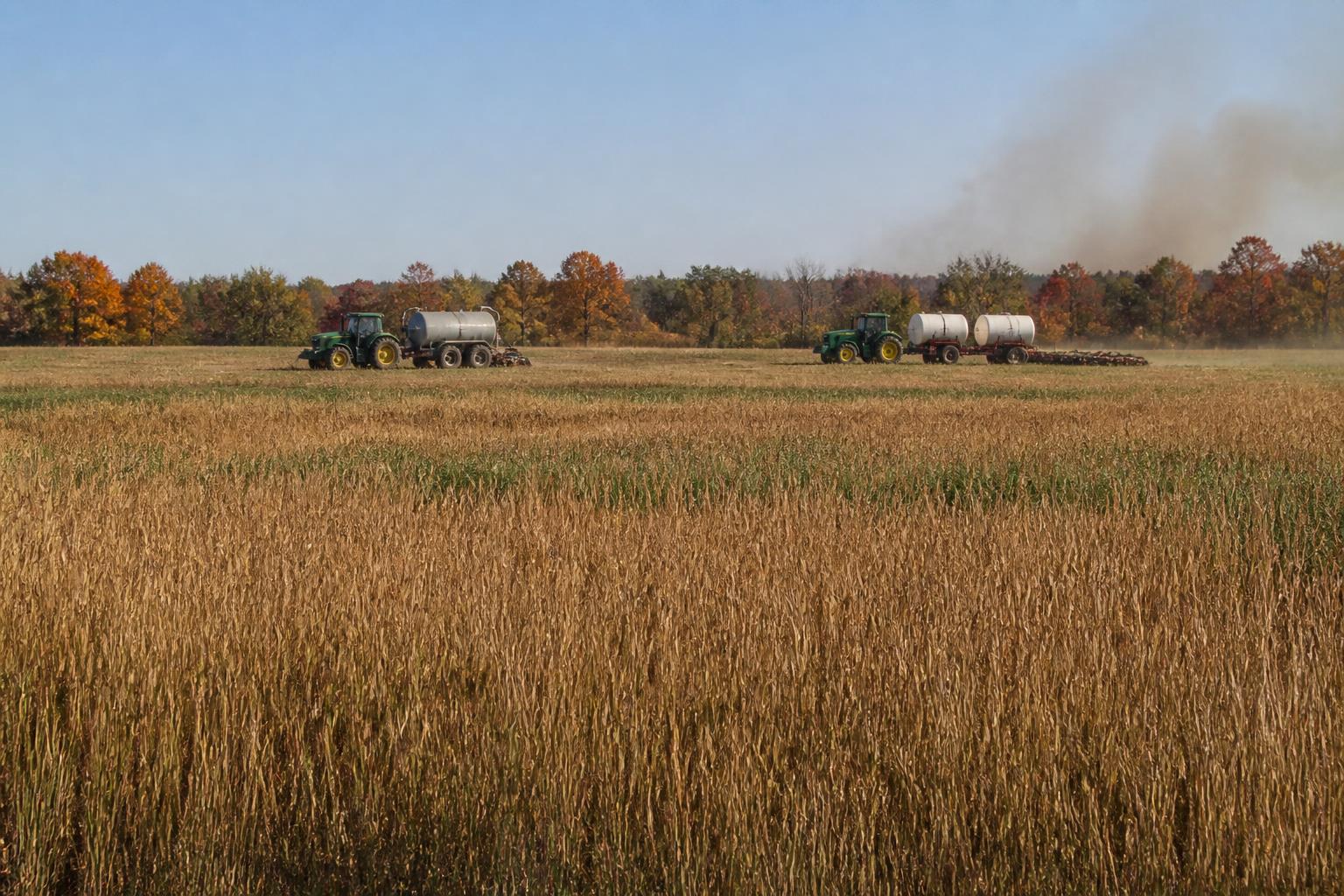
As we transition deeper into the fall season, Kansas growers are focusing on maximizing late-season field performance. For corn producers, the window for strategic nitrogen applications is closing, but targeting the right stage remains a potential factor in supporting final grain fill. While logistics and infrastructure constraints typically dominate the autumn conversation, field-level inputs continue to play a pivotal role in securing bottom-line returns.
Refining Crop Protection and Nutrient Strategies
Managing input efficacy is becoming increasingly complex as researchers continue to identify shifting patterns in weed resistance. Recent breakthroughs, particularly regarding glyphosate resistance in pigweeds, suggest that producers must remain agile with their herbicide rotation and overall crop protection strategies. Staying informed about new herbicide pipelines and precision application technologies can help growers stay ahead of resistant populations before next year's planting season.
Simultaneously, the industry is seeing a push toward innovation in product development to navigate ongoing regulatory debates. While federal policy often shifts the landscape for available chemistry, the core mission for Kansas agribusiness remains the same: efficient, localized management that addresses the specific challenges of our state's diverse soil types and weather patterns.
Operational Awareness in the Fall
Beyond inputs, the broader agricultural environment requires heightened caution. As harvest operations move into full swing across the state, dry conditions in certain regions have elevated concerns regarding field fire risks. Maintaining vigilance with equipment maintenance and fire mitigation protocols is essential, especially as transport demands increase and local infrastructure reaches peak utilization.
What it means for the market
For the Kansas producer, the current market climate rewards those who balance immediate operational efficiency with long-term soil health and pest management. Whether you are balancing nitrogen application timing or preparing for transport bottlenecks at local elevators, the key to surviving the season is proactive risk mitigation. By prioritizing both crop protection stewardship and safe harvest practices, producers can better protect their investments in what remains a volatile and high-stakes agricultural cycle.
Comments
No comments yet - be the first to share your take.