
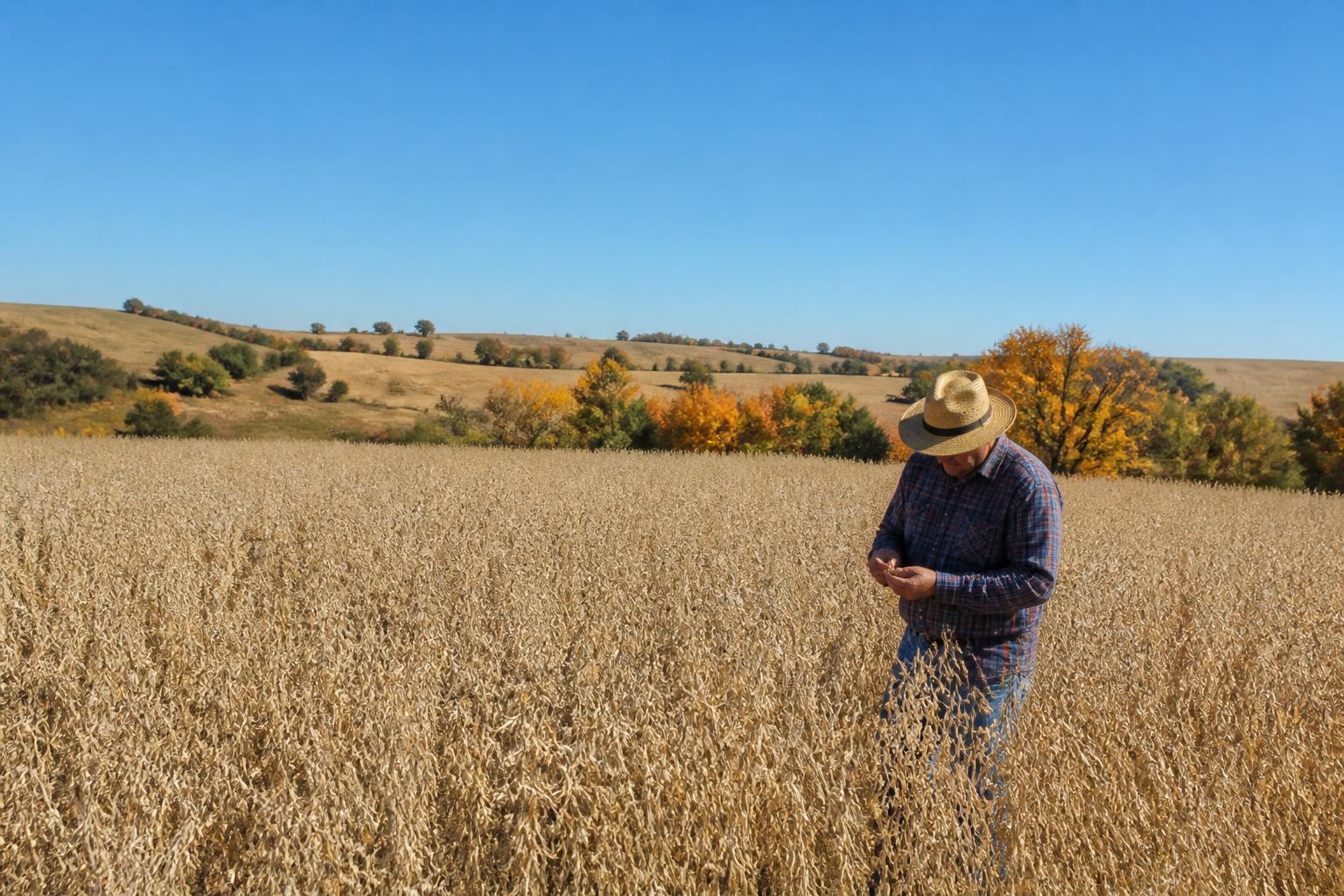
As we navigate the tail end of the fall season, Kansas producers continue to face a complex market environment. The combination of erratic temperature shifts and ongoing moisture concerns has created a challenging outlook for the state's wheat crops. For many growers in regions stretching from the western plains to the central corridors, these environmental variables are requiring a more cautious approach to crop protection and long-term planning.
Understanding the nuances of these localized production hurdles is essential for those looking to manage input costs and efficiency in a tight Kansas fall. With weather-driven risks influencing development cycles, keeping a close eye on field-level data is becoming a critical component of maintaining yield stability.
Adapting to Market and Environmental Pressures
The current volatility extends beyond just the weather. As the industry monitors broader shifts in the sector, many agribusinesses and operators are recalibrating their storage and logistics strategies to account for varying quality levels across different districts. Addressing these infrastructure constraints remains a priority as producers navigate variable yields and infrastructure constraints throughout the state.
It is important to note that while recent trends have highlighted significant pressure on wheat yields, some isolated areas have seen better outcomes thanks to specific moisture windows earlier in the growth cycle. However, the prevailing sentiment remains one of caution regarding disease pressure and thermal stress, which continue to dominate conversations among field agronomists and regional elevators.
What it means for the market
For grain handlers and producers, the current environment suggests that proactive inventory management and attention to local basis are more vital than ever. As market participants adjust to the reality of lower confidence in yield consistency, we may see increased emphasis on risk mitigation strategies through the remainder of the year. Producers should prioritize localized scouting to address disease risks early and ensure that logistics plans are flexible enough to accommodate shifts in harvest quality and storage demand.
Comments
No comments yet - be the first to share your take.