
Efficiency as a Strategy
As the Kansas fall harvest approaches, producers across the state are focusing on optimizing every acre to offset shifting economic pressures. With reports indicating that energy costs continue to challenge farm budgets, many operations are re-evaluating their input strategies. Integrating efficient fertilizer application and monitoring has become a primary lever for those looking to maintain profitability despite rising overhead.
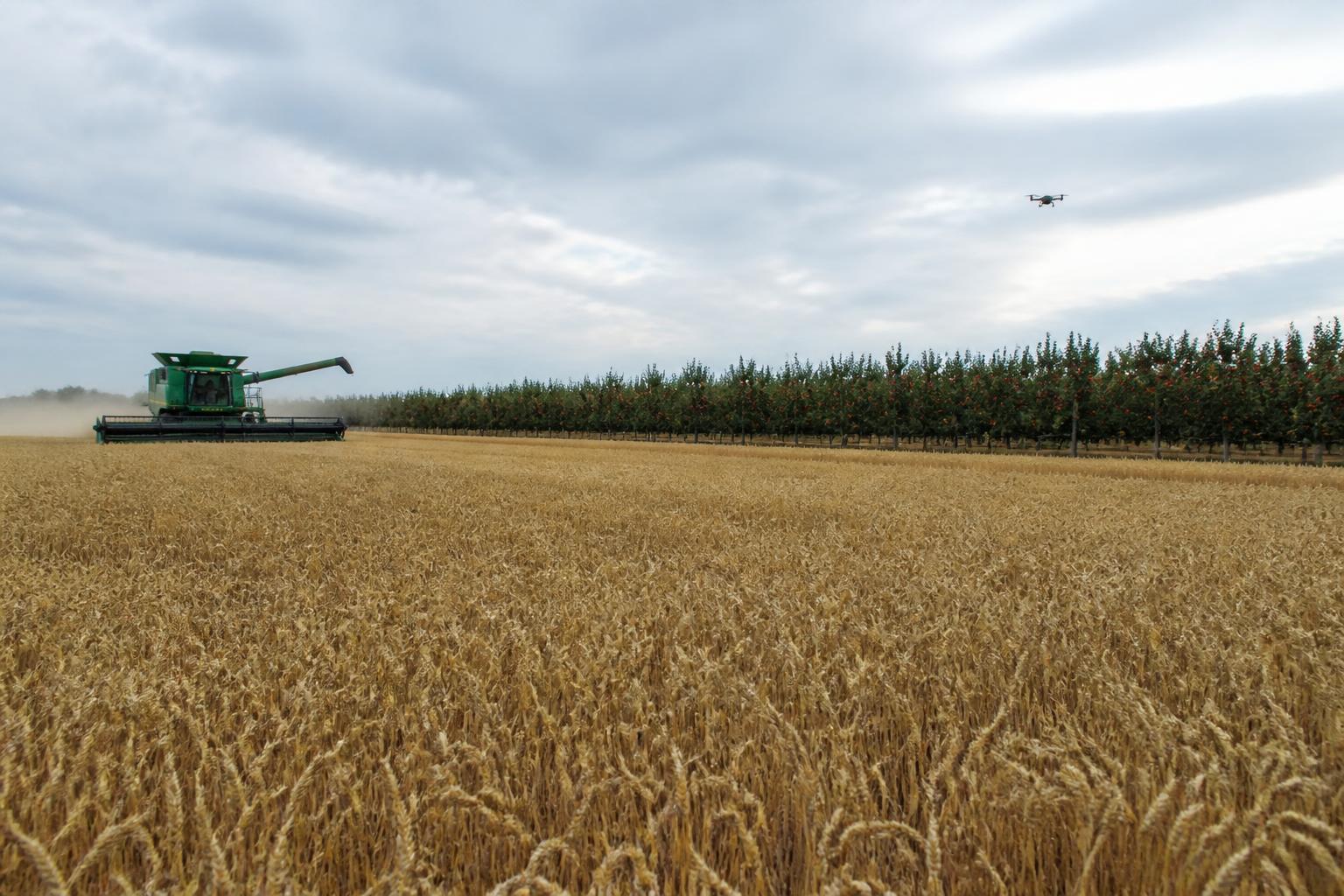
Precision technology is shifting from a luxury to a fundamental risk management tool. By replacing traditional water and input guesswork with real-time data, farmers in the high plains are better positioned to protect their crops from late-season environmental stressors. This move toward data-backed decisions is complemented by increased investments in advanced spraying systems, which allow for targeted application that can significantly reduce waste and chemical exposure.
Navigating Market and Environmental Pressures
The agricultural landscape in Kansas remains complex, with land values showing upward trends during the first half of 2026. This appreciation, while positive for equity, places additional pressure on operational cash flow. Producers are increasingly turning to proactive pest management and crop protection to safeguard yield potential, ensuring that the heavy investment in land and inputs is fully realized by the time the crop reaches the silo.
Furthermore, as operations look toward the future, the integration of new crop varieties—such as wheat breeds optimized for specific industrial uses like pasta production—is offering a way to capture value-added market opportunities. Staying ahead of these shifts requires not just machinery, but also reliable infrastructure, as farmers look for resilient storage solutions to navigate the logistics of the coming weeks.
What it means for the market
For the Kansas agribusiness community, the current environment demands a focus on input precision and risk mitigation. Carriers, grain handlers, and retailers should anticipate a heightened demand for services that support data-driven decision-making and efficient resource use. By leveraging technology to manage energy-heavy inputs, growers are aiming to secure their financial footing as the state enters the final stretch of the agricultural year.
Comments
No comments yet - be the first to share your take.