
Navigating Mid-Season Logistical Challenges
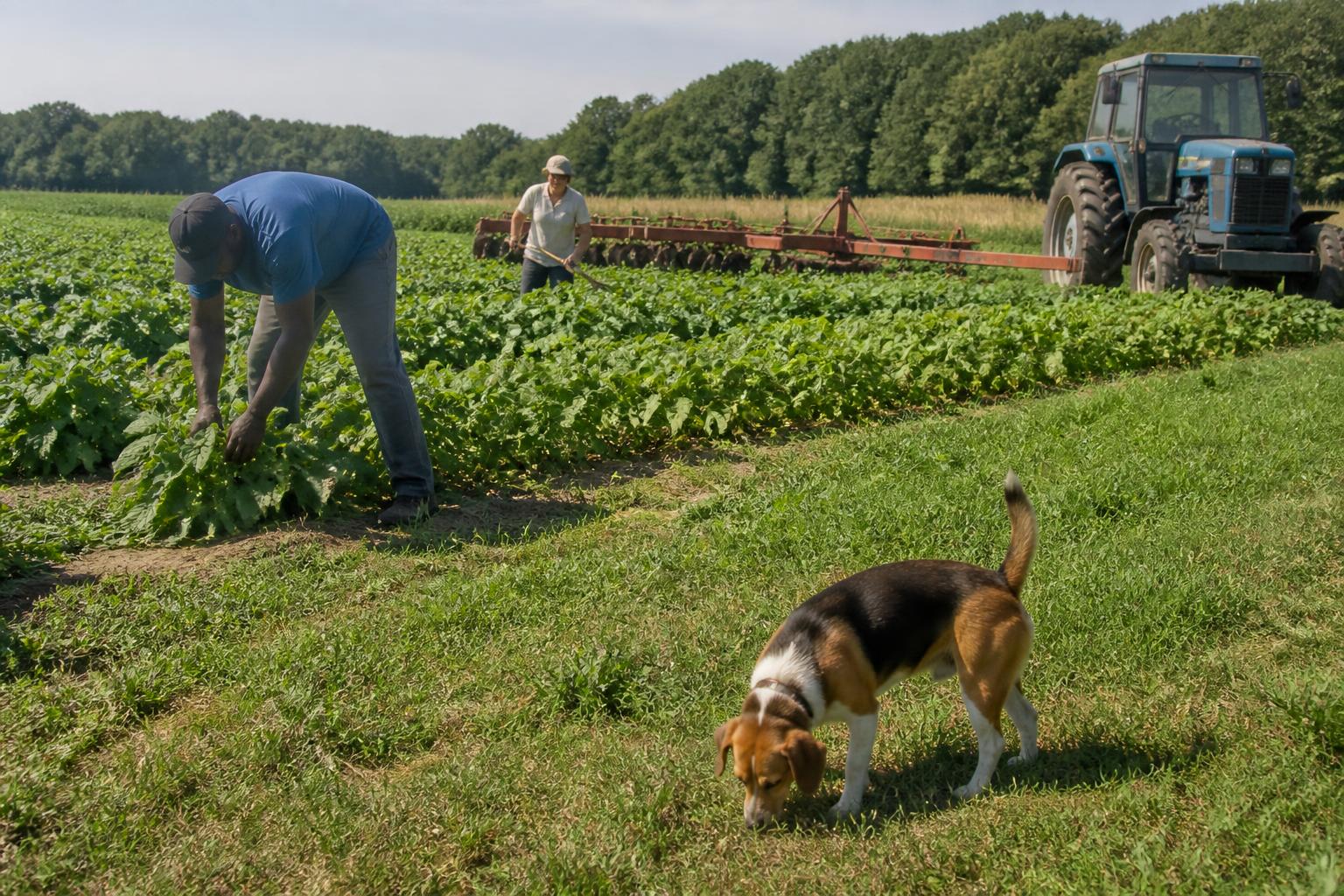
For Maryland agricultural producers, the height of August brings a distinct set of operational pressures. As field activities intensify, regional logistics corridors—particularly those feeding toward major distribution hubs—are seeing increased strain. Growers, grain handlers, and input suppliers are currently balancing seasonal machinery movement with the reality of rising fuel costs that continue to impact bottom lines across the state.
Maintaining an efficient transport chain requires proactive planning, especially when considering the nuances of regional road weight restrictions and the ongoing need for precise input application. In some cases, operators are finding that optimizing transport routes and resource management is the most immediate way to protect tight margins during the peak summer window.
Input Efficiency and Regulatory Awareness
Beyond the immediate transport hurdles, the broader agricultural landscape in Maryland remains focused on sustainability and compliance. As farmers manage input programs, there is a recurring emphasis on precision agriculture technologies that help reduce waste while maintaining yields. This is particularly relevant in areas where environmental regulations regarding soil and water health influence how inputs are selected and deployed throughout the season.
Infrastructure and Future Outlook
Looking ahead, the focus on infrastructure remains a critical topic for local agribusinesses. Whether it is managing the flow of goods toward regional ports or dealing with increasing demand for land and utility access, Maryland producers are increasingly prioritizing investments that offer long-term operational resilience. Diversifying service providers and keeping a close watch on regional market indicators can provide a buffer against the volatility often observed during the mid-summer stretch.
What it means for the market
Producers should expect continued pressure on input and transport costs through the remainder of the summer season. Success in the current market environment will likely depend on a combination of rigorous logisitics planning, the adoption of efficiency-boosting AgTech, and maintaining a high level of vigilance regarding regional policy changes that may impact local farming operations.
Comments
No comments yet - be the first to share your take.