
Understanding Regulatory Adjustments in Fuel Transport
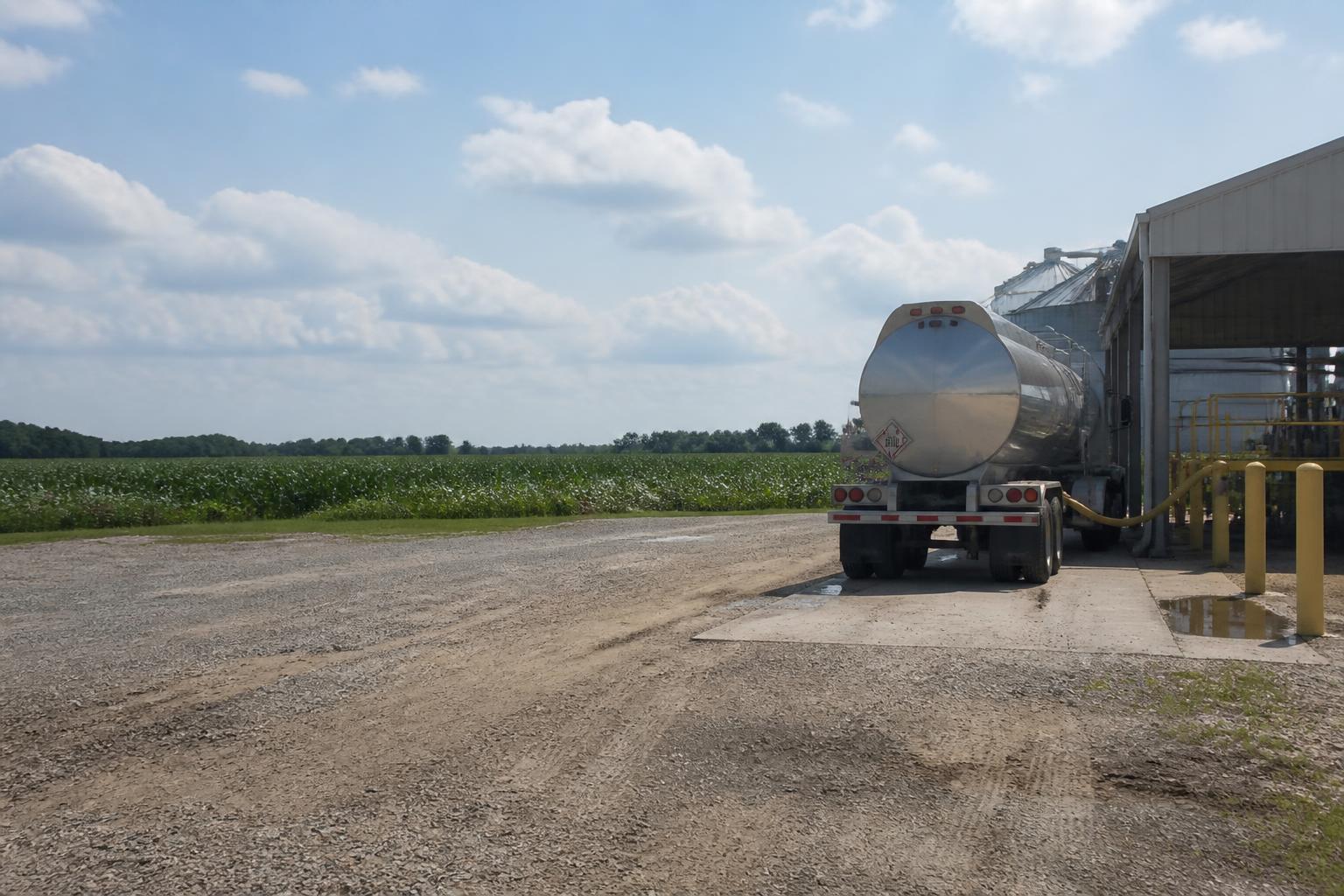
For agricultural logistics providers across New York, the movement of fuel is a critical component of daily operations. Recent updates from federal regulators, specifically the FMCSA, have introduced changes to hazmat endorsement requirements for CDL drivers transporting jet fuel in volumes of 1,000 gallons or less. While this change is specific to aviation fuel, it serves as a reminder for carriers to stay vigilant regarding the evolving compliance landscape as they navigate the complex supply pressures currently impacting the state.
Impacts on Local Agribusiness Logistics
In regions ranging from the Hudson Valley to the Finger Lakes, regional haulers and agribusiness firms often rely on streamlined regulations to maintain efficiency during the peak summer and harvest seasons. Although these regulatory modifications do not directly impact standard diesel or gasoline hauling for farm equipment, any reduction in administrative burden for specialized tankers can have ripple effects on broader fleet management and summer market logistics. Fleet operators are encouraged to review these changes with their compliance departments to determine if any cross-training or fleet optimization opportunities exist.
Maintaining Compliance During Peak Demand
As New York farmers move through the summer, ensuring that all logistics partners remain compliant with state and federal standards is essential to avoiding costly delays. With emerging disease and pest pressures requiring frequent applications, the reliable transport of necessary chemical and fuel inputs remains a top priority. Maintaining a clear understanding of current endorsement mandates ensures that logistics remain predictable even as demand fluctuates throughout the growing season.
What it means for the market
For the average New York agricultural producer or grain handler, these regulatory shifts represent a trend toward refining hazmat oversight. While the immediate effect on bulk agricultural fuel delivery is minimal, monitoring such policy adjustments helps businesses prepare for future changes that could streamline the movement of essential farm inputs across the state's highway corridors.
Comments
No comments yet - be the first to share your take.