
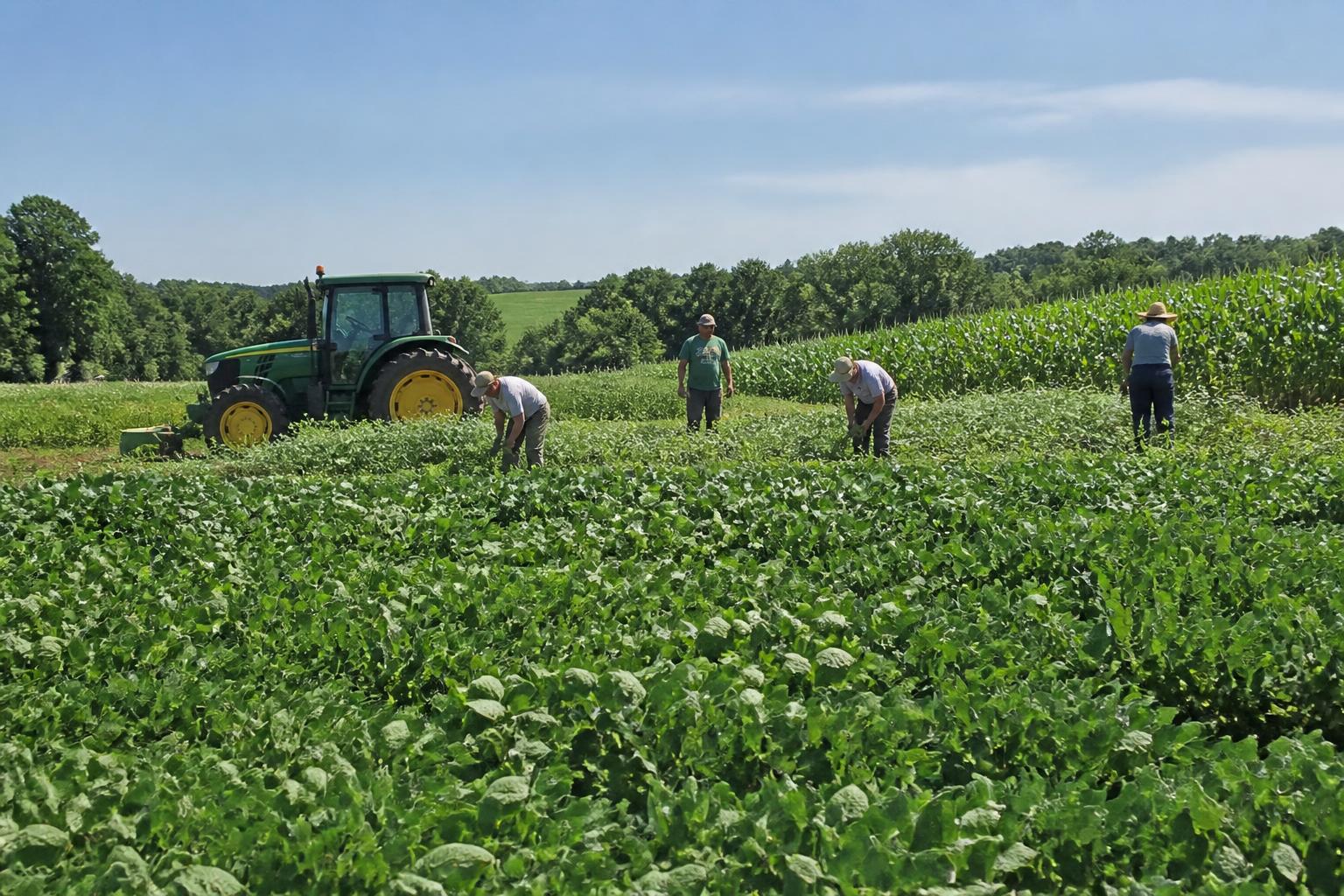
Mid-summer in New York brings a unique set of challenges for growers managing the tail end of their primary crop protection programs. With the state's diverse geography, from the fertile corridors of the Finger Lakes to the productive acreage near the Hudson Valley, farmers are currently navigating a complex environment defined by high input costs and the persistent need for effective pest and disease management.
As producers work to secure yields through the remainder of the season, understanding the best practices for mid-season crop protection remains a priority. Recent shifts in the agricultural sector, including fluctuations in global supply chains, have placed additional pressure on bottom lines, making every pass through the field a calculated decision for many operators.
Managing Input Volatility
The cost of essential crop inputs has remained a significant concern for New York agribusinesses. When supply chain issues disrupt the availability or price of chemistry, growers often find themselves re-evaluating their scouting intensity and application windows. Developing a robust management plan requires agility, particularly when localized weather patterns can drastically change pest pressure thresholds in a matter of days.
For those looking to maintain health through the summer heat, monitoring and adjusting summer input strategies is essential. This is not just about keeping costs in check but ensuring that the protective measures applied earlier in the season continue to perform under challenging environmental conditions.
What it means for the market
For New York farmers and grain handlers, the current landscape suggests a need for heightened vigilance. As the market reacts to shifting costs and potential supply constraints, growers who prioritize efficient scouting and targeted applications are better positioned to protect their ROI. Success this season will likely depend on the ability to balance immediate protective needs with long-term cost management, ensuring that fields are optimized for the final push toward harvest.
Comments
No comments yet - be the first to share your take.