
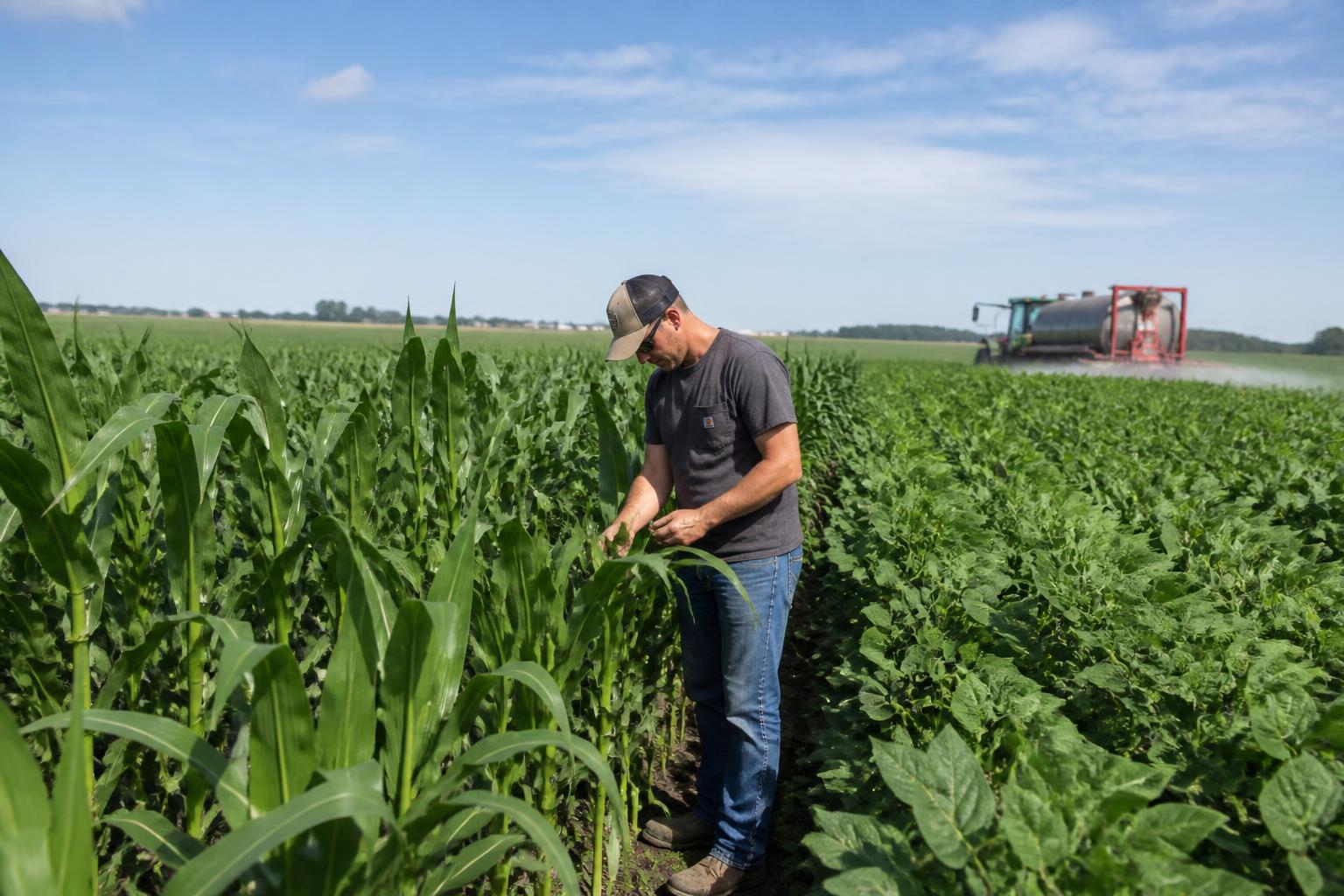
Adapting to Regulatory Shifts in Arkansas
For Arkansas growers, the mid-summer period is often defined by strict adherence to application guidelines. Recent seasons have seen producers navigating specific restrictions on crop protection tools, including dicamba, which require careful documentation and timing. Understanding these regulatory adjustments is vital for protecting yield potential as fields approach their most critical growth stages. Staying ahead of these requirements helps mitigate the risk of accidental drift and ensures that operations remain in compliance during peak heat.
Input Efficiency and Fertilizer Trends
Input management continues to be a central theme for many in the Delta. Rising costs and availability concerns have prompted a renewed focus on precision and sustainability. By prioritizing resource efficiency, Arkansas farmers are finding ways to stretch their operational budgets while maintaining soil health. This proactive approach to input procurement and application is helping to hedge against the volatility often seen in the national fertilizer market.
Monitoring Grain Fundamentals
As we monitor broader market fundamentals throughout August, local operators should keep an eye on export demand and domestic supply fluctuations. While global grain markets can be unpredictable, the focus for Arkansas agribusinesses remains on storage capacity and the logistics of upcoming harvest transport. Keeping local bins ready and monitoring regional transport corridors are essential tasks as the summer heat persists and harvest preparation begins in earnest.
Key Takeaways for Producers
- Verify all active ingredient application labels before heading to the field.
- Review current on-farm storage and logistics readiness for the upcoming harvest season.
- Evaluate nutrient management plans to ensure maximum ROI on remaining seasonal applications.
What it means for the market: For the Arkansas grain sector, current conditions demand a balance between rigid operational compliance and tactical input management. By staying informed on regulatory updates and optimizing existing logistics, producers can better position themselves against the mid-season market headwinds.
Comments
No comments yet - be the first to share your take.