
Advancing Sustainable Production
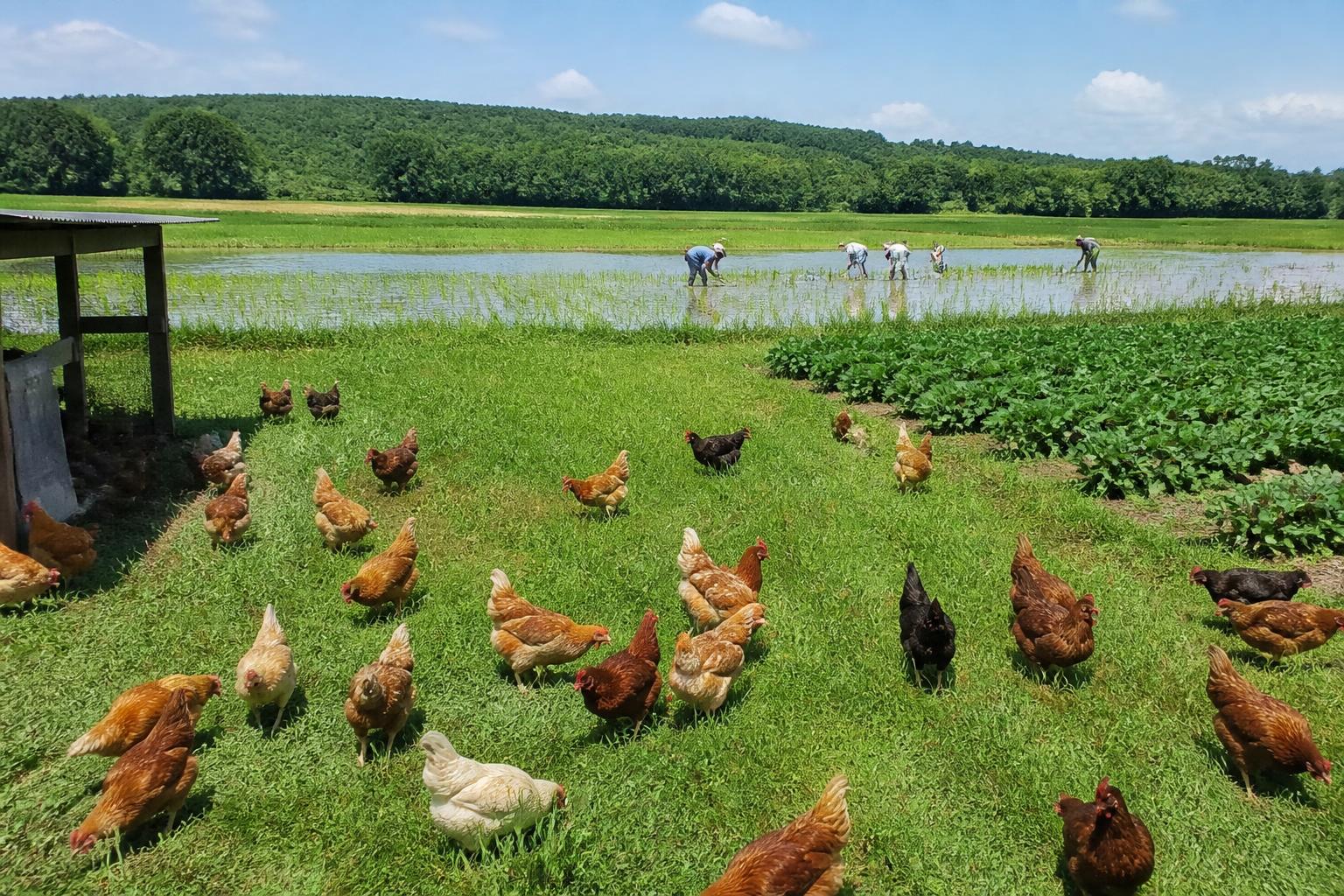
As the summer season progresses across the Delta, Arkansas producers are increasingly aligning with industry-led initiatives to bolster market access. Partnerships between regional farmers and major processors are focusing on sustainable rice production, emphasizing long-term soil health and resource management. These programs often provide producers with pathways to demonstrate environmental stewardship while potentially securing more stable market positioning in a competitive global landscape.
Beyond rice, researchers in the state continue to prioritize agricultural resilience, particularly regarding regional crop stressors. Collaborative efforts are currently underway to enhance disease resistance in specialty crops like spinach, while other teams tackle persistent turfgrass diseases. These technical advancements are vital as producers look for ways to protect yields and manage input costs effectively.
Pest and Input Management Strategies
Managing weed and pest pressures remains a top priority for Delta row-crop producers. As the season nears its midpoint, field scouting and the implementation of robust chemical stewardship practices are essential to mitigating potential losses. Whether addressing specific weed varieties in peanut fields or monitoring for shifting pest patterns, timely intervention is frequently cited as a key strategy to preserve profitability.
Simultaneously, the agricultural sector is seeing innovation in the circular economy, with local startups converting poultry waste into carbon-negative fertilizers. This shift toward localized, sustainable inputs can offer producers an opportunity to lower dependency on traditional synthetic fertilizers, potentially improving the bottom line while adhering to modern agronomic trends. For more on navigating these seasonal hurdles, see our coverage on chemical stewardship and pest management, as well as broader updates on summer crop market outlooks.
What it means for the market
The Arkansas market is currently characterized by a push for efficiency, where the integration of sustainable practices and local input innovation serves as a hedge against broader economic uncertainty. While farmers continue to navigate fluctuating commodity prices and operational costs, the transition toward more resilient, data-driven production methods may help sustain profitability throughout the remainder of the 2026 season.
Comments
No comments yet - be the first to share your take.