
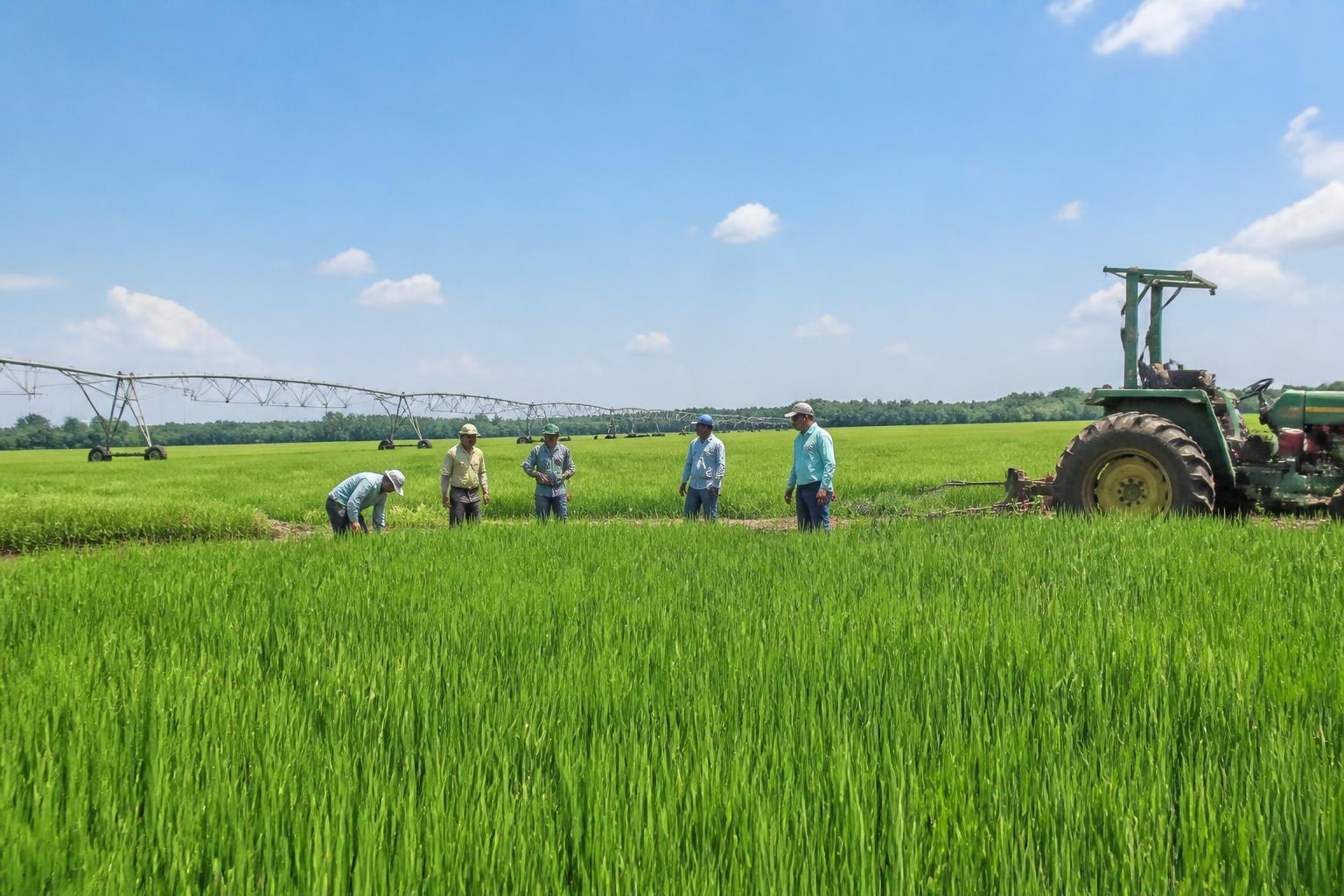
For Arkansas row crop producers, the late summer window brings a familiar set of logistical and regulatory challenges. As the season progresses, management teams are heavily focused on crop protection, ensuring that weed control strategies remain aligned with the state's stringent input efficiency and sustainability benchmarks. Maintaining compliance with specific application cutoff dates is essential, especially as crops approach critical development stages where drift management becomes paramount.
Managing Late-Season Pressures
The regulatory landscape regarding herbicide applications in Arkansas has long been among the most rigorous in the nation. Producers in major agricultural counties often operate under a strict framework designed to protect neighboring fields and minimize off-target movement. Navigating these requirements requires precise planning, particularly when weather patterns create compressed spray windows. For operators managing significant acreage, balancing labor availability with the legal necessity of adhering to these cutoff dates is a routine, albeit intensive, part of the summer production cycle.
Economic Stability and Operational Resilience
Beyond weed management, regional agribusinesses continue to monitor broader economic indicators that influence farm-level profitability. With historical volatility in commodity prices impacting cash flows, the focus has shifted toward maximizing yields through proactive crop health management. Integrating advanced logistics and precise input tracking helps producers mitigate risks associated with extreme weather events or localized supply chain disruptions that can arise during the height of the summer season.
What it means for the market
As the harvest season approaches, the emphasis on regulatory compliance and disciplined input management remains a cornerstone of the Arkansas agricultural model. For elevators, carriers, and input suppliers, this ensures that the market remains stable and focused on quality output. Producers prioritizing efficient, compliant practices are better positioned to weather the lingering economic pressures often associated with the late-stage crop development cycle.
Comments
No comments yet - be the first to share your take.