
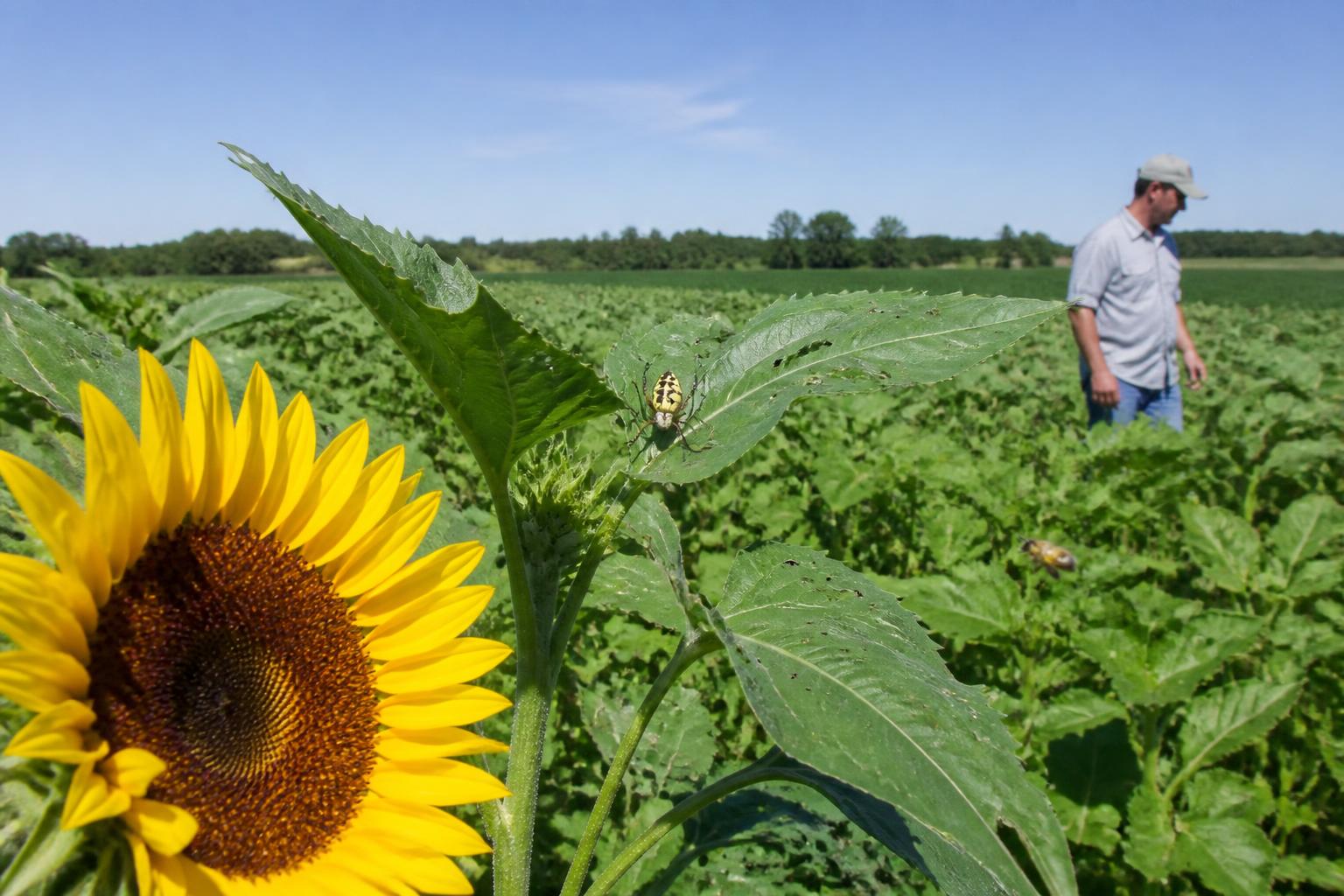
In the heart of Washington's agricultural corridors, the height of summer brings both the intensity of the growing season and the inevitable increase in pressure from invasive species. For regional producers, maintaining the integrity of orchards and vegetable fields requires a multifaceted approach to crop protection, blending traditional integrated pest management with an evolving understanding of biological defense mechanisms.
State agricultural specialists often emphasize that localized monitoring is the first line of defense. Whether dealing with specific pathogens in high-value vegetable crops or emerging threats to tree fruit, early detection remains the most effective tool for minimizing economic loss. Recent regulatory shifts in Washington agriculture highlight the necessity of staying informed on allowed materials and application protocols as growers seek to balance cost efficiency with long-term field health.
The Role of Biological and Integrated Strategies
Integrated Pest Management (IPM) continues to evolve in the Pacific Northwest. Beyond conventional applications, there is ongoing interest in the role of natural predators and biological agents. Researchers are consistently assessing the efficacy of long-standing biological controls, such as the use of naturally occurring bacteria, to suppress pest populations without compromising environmental sustainability or food safety standards.
As entomologists and state biologists work to identify and mitigate new invasive arrivals at ports of entry, their efforts provide a crucial protective buffer for the state's diverse specialty crop sector. Effective defense requires not just individual effort on the farm, but a broader regional commitment to bio-security, ensuring that the agricultural infrastructure remains resilient against external biological threats.
What it means for the market
For growers and agribusinesses, the current focus on crop protection signals a shift toward proactive, science-backed risk management. Investing in comprehensive monitoring systems and staying ahead of shifting pest populations is essential for protecting margins this harvest season. As input costs and market demands fluctuate, those who prioritize robust, sustainable, and adaptive protection strategies are better positioned to maintain their standing in both domestic and international supply chains.
Comments
No comments yet - be the first to share your take.