
Mid-summer in Colorado brings a distinct set of operational challenges for producers and grain handlers. While the state's agriculture sector continues to navigate shifting regulatory landscapes, the focus for many remains on optimizing resource management and maintaining the logistical fluidity necessary to support regional operations. As noted in our recent report on regional agricultural shifts, staying informed on local operational adjustments is critical for maintaining long-term competitiveness.
Resource Management and Infrastructure
Water security remains a focal point for Colorado's producers, particularly as broader regional constraints continue to influence farm-level decision-making. Efficient water usage and the adoption of resilient crop varieties, such as those developed by legacy wheat breeding programs in the state, are helping mitigate the impacts of fluctuating availability. Beyond the field, infrastructure continues to evolve with new facilities, such as the recently opened feed and grain center in Timnath, providing essential hubs for local commodity storage and handling.
Technology and Sustainability
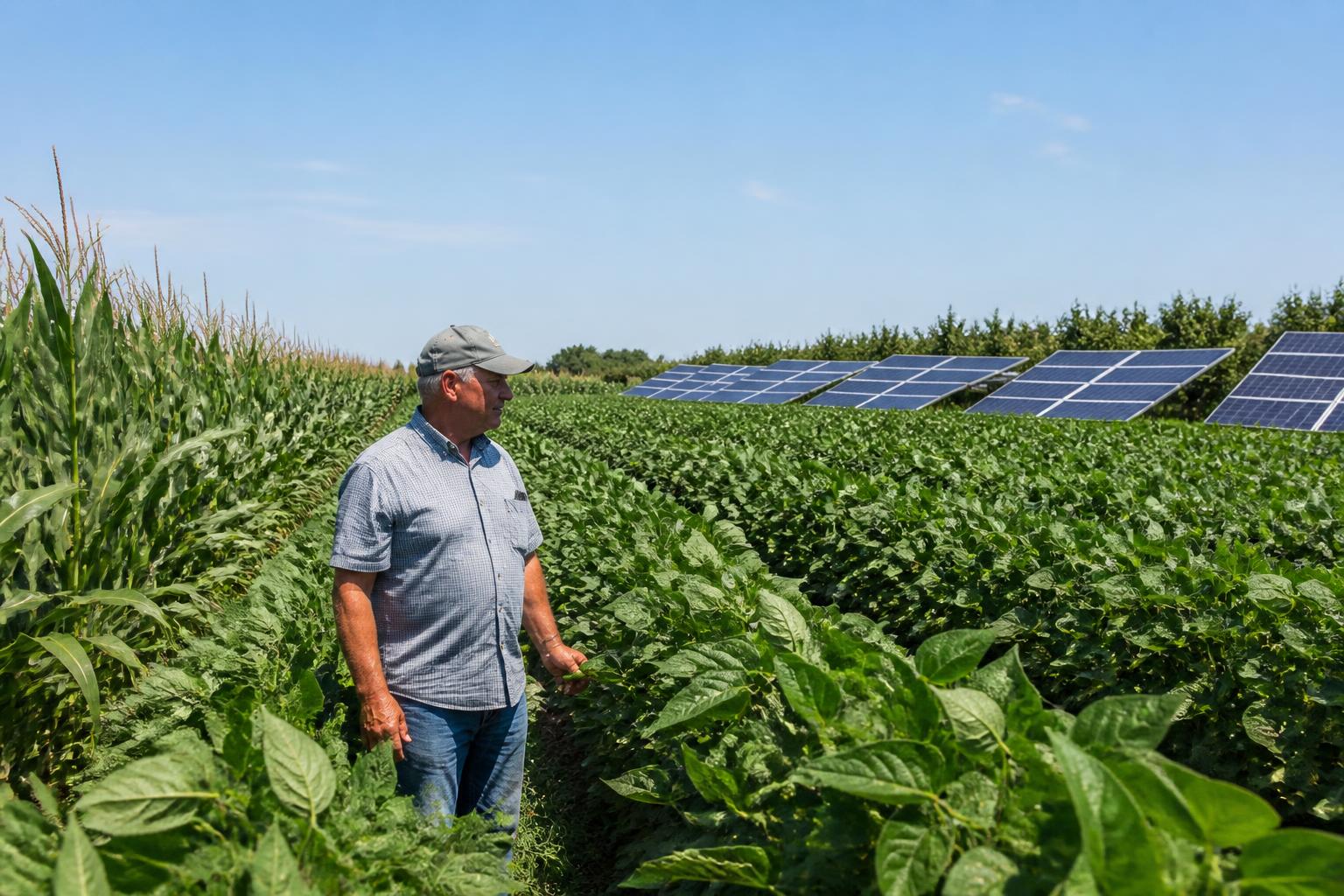
Producers are increasingly looking toward precision technology to manage input costs and increase yields in a climate-sensitive environment. The expansion of specialized weed-control technologies and the ongoing conversation surrounding sustainable land-use practices, including the potential for agrivoltaics in orchard settings, highlight a growing interest in diversified farm revenue streams. These technological investments are essential for offsetting the pressures of rising supply costs and logistical volatility.
What it means for the market
For grain handlers and input buyers, the current market climate necessitates a proactive approach to supply chain planning. While statewide conditions present unique geographic hurdles, focusing on localized logistics and long-term sustainability will be key for stabilizing operations throughout the remainder of the summer season. Ensuring that local elevators and transportation networks are synchronized with the needs of the region will continue to be the primary driver for efficiency in the weeks ahead.
Comments
No comments yet - be the first to share your take.