
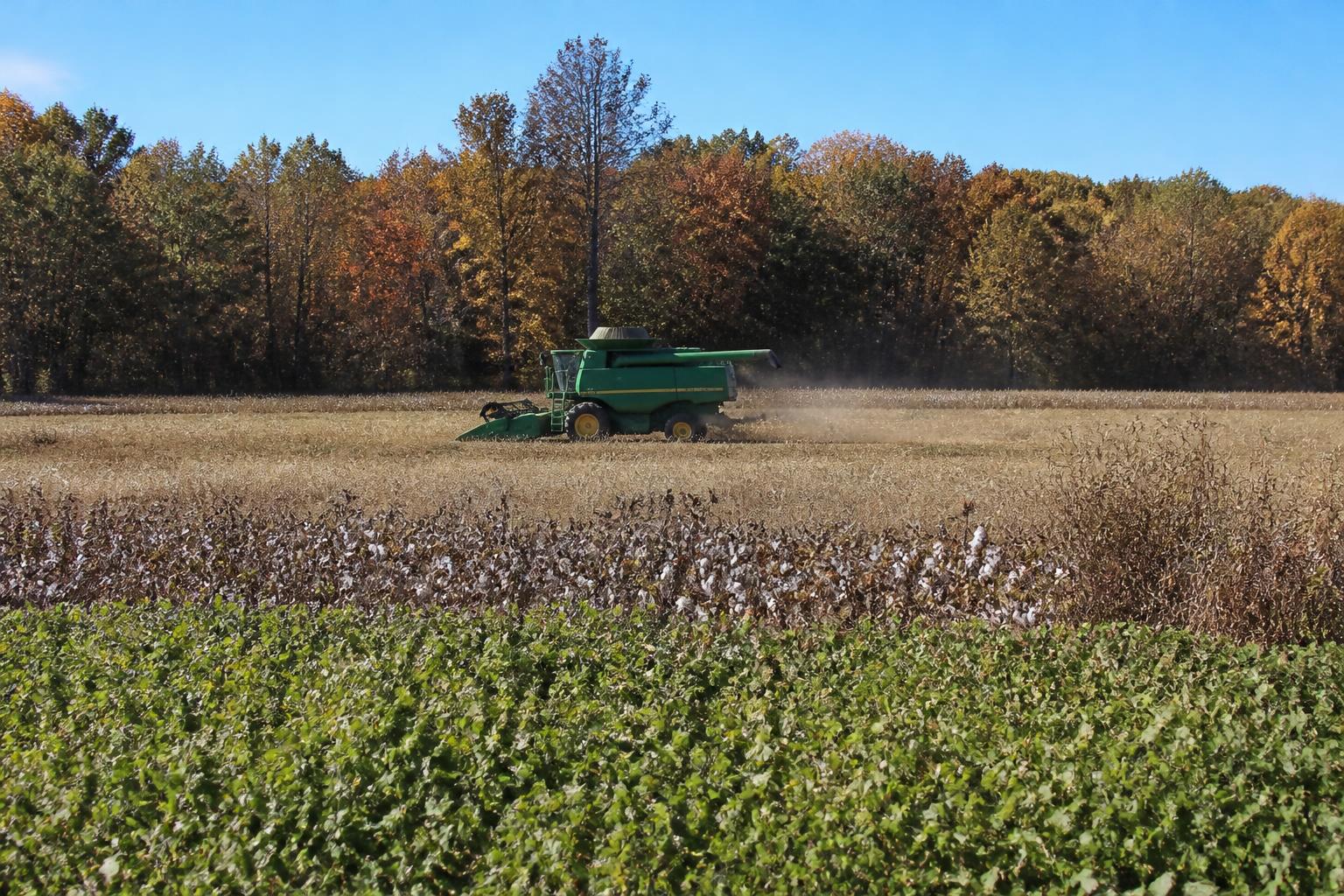
The agricultural landscape across Arkansas is shifting as the fall harvest season progresses. While recent weather conditions have provided some much-needed windows for field work, many producers note that certain crops remain behind their typical developmental schedule. Despite these delays, recent data shows promising crop health, with substantial portions of the state's soybean and cotton acreage currently rated in good-to-excellent condition.
The rice sector, a cornerstone of the Arkansas agricultural economy, has officially entered its harvest phase. However, this season brings unique logistical challenges. Recent reports indicate that operational adjustments at key grain handling facilities are reshaping delivery logistics for many growers, as some drying sites consolidate operations in response to shifting regional planting trends.
Managing Input and Market Pressures
Market volatility continues to weigh on the minds of regional producers. Following recent government stock reports and supply forecasts, corn producers have faced downward pressure on pricing, adding to the complexity of seasonal planning. These economic headwinds make proactive management of input costs and logistics essential for maintaining margins during this period of price contraction.
For many farmers, early decision-making regarding inputs and facility scheduling has proven to be a critical buffer against broader market instability. As the industry looks toward the coming cycles, academic and private sector experts remain focused on long-term strategies for crop protection and resistance management, ensuring that the state remains competitive despite the unpredictable nature of global commodity markets.
What it means for the market
Arkansas producers are entering a period of high logistical intensity, where the ability to coordinate transport and drying needs will be just as important as yield results. With facility consolidation in the rice sector and ongoing price sensitivity in grains, growers who have secured their supply chains and storage arrangements early are better positioned to navigate the remainder of the harvest.
Comments
No comments yet - be the first to share your take.