
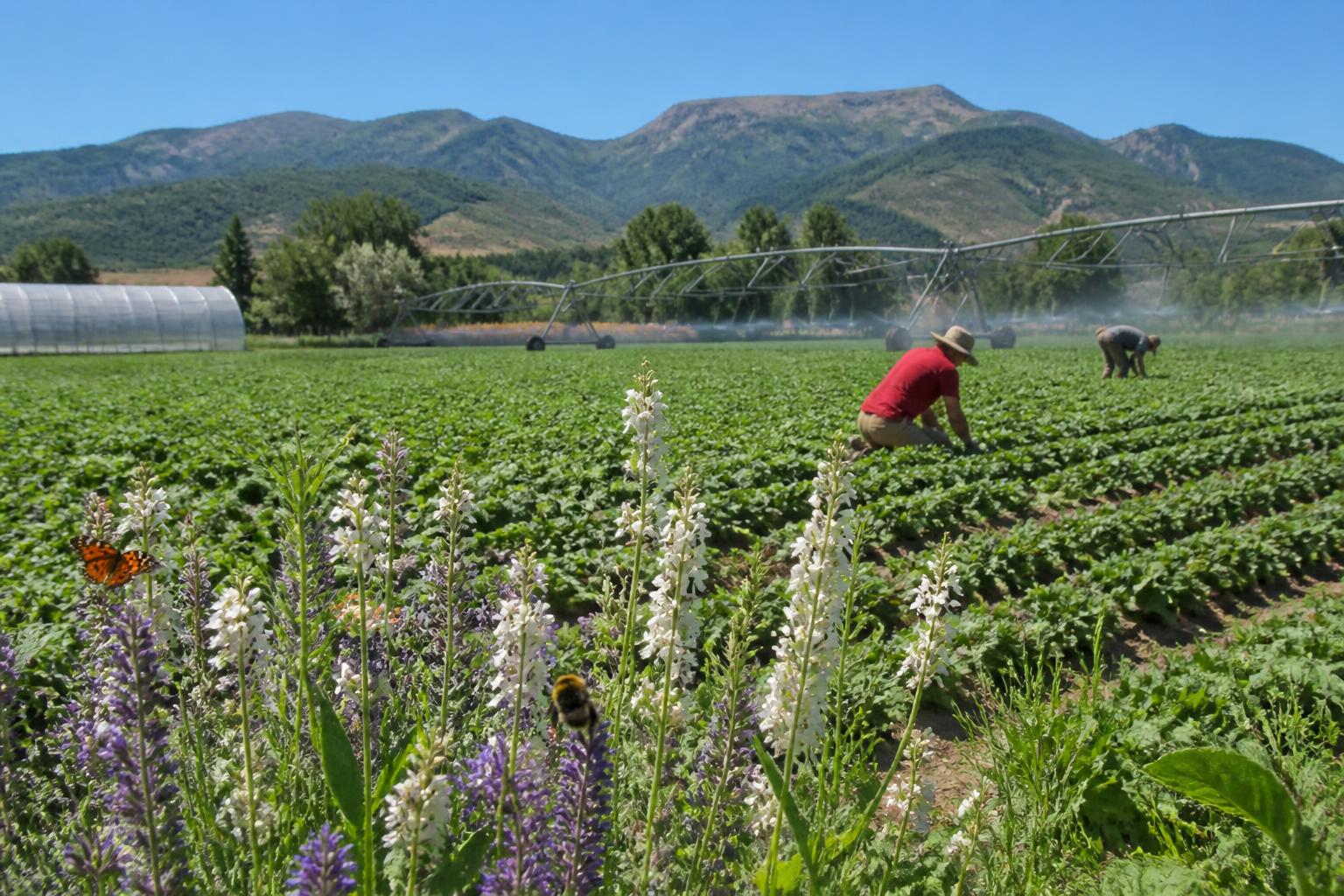
Mid-summer in Colorado brings a complex mix of operational challenges, as producers manage peak-season fieldwork while monitoring a shifting landscape of legislative and economic policy. From the Eastern Plains to the valleys of the Western Slope, the focus remains on sustaining productivity amid rising input expenses and evolving state-level regulatory discussions.
Agricultural policy continues to be a central theme for many operations. Recent developments in how the state addresses matters such as pesticide regulation and the classification of pollinators are prompting farmers to keep a close eye on local policy shifts. These decisions can ripple through management practices, affecting everything from crop protection choices to land use planning as growers look to balance efficiency with compliance. For more insights on seasonal logistics and operational efficiency, see our latest analysis on navigating summer logistics.
Managing Costs in a Tight Market
Input costs remain a significant pressure point for Colorado agribusinesses. While global market factors continue to influence commodity prices, domestic operational costs—ranging from labor and insurance premiums to crop protection products—are testing profit margins. Many growers are finding that success in the current climate requires a heightened focus on risk management. Whether navigating the complexities of crop insurance or assessing the impact of legal settlements within the industry, staying informed is critical for long-term viability.
The Importance of Resource Stewardship
Resource protection remains a top priority, with discussions in Washington and at the state level highlighting the need for robust soil and water conservation strategies. In regions where water rights and soil health dictate the success of the harvest, producers are emphasizing the need for federal support that prioritizes long-term sustainability. For those planning for the months ahead, adjusting land and cost management strategies is an essential step in preparing for the final push of the growing season.
What it means for the market
The convergence of regulatory flux and economic uncertainty suggests a season defined by caution. For farmers and grain handlers, the ability to adapt to changing legal and insurance landscapes will be as vital as managing physical crop yields. As we move deeper into August, stakeholders should prioritize clear communication with input suppliers and stay engaged with ongoing legislative discussions to anticipate potential shifts in operational requirements.
Comments
No comments yet - be the first to share your take.