
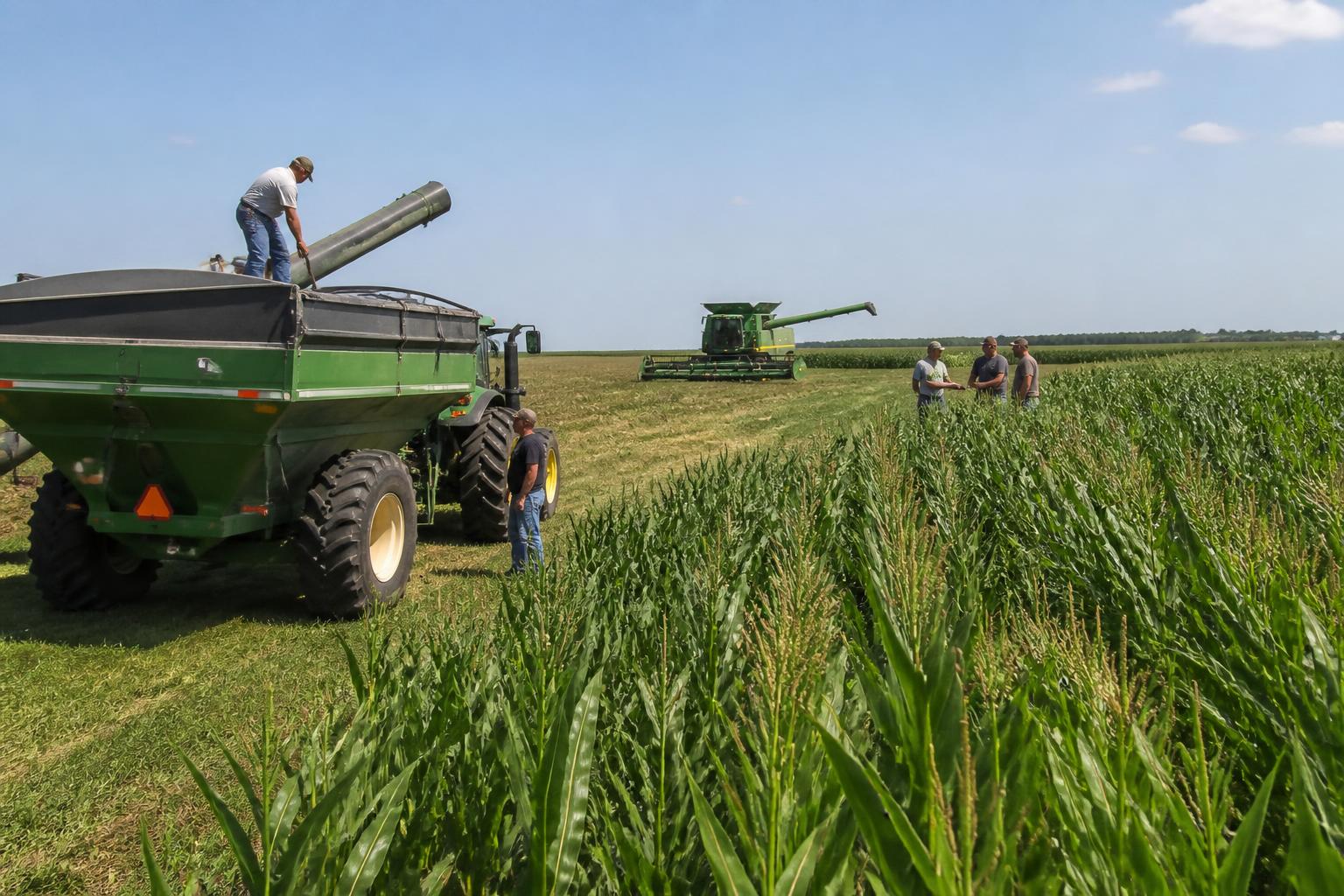
Mid-summer in Nebraska brings a distinct rhythm to the countryside as local elevator operators and transport fleets prepare for the shift in seasonal grain movement. With the state currently navigating varying moisture profiles across different regions, the pace of field activity is beginning to influence transport schedules. For many, this period involves the careful coordination of equipment, as custom harvesting crews cross state lines to reach regional wheat fields, often requiring significant planning to ensure machinery moves efficiently across local road networks.
Operational awareness remains critical during this phase of the season. As operators manage the inflow of grains and early-season yields, staying ahead of logistics and supply chain shifts is a priority. This is particularly relevant for those dealing with fluctuating harvest timelines, where moisture concerns can abruptly change the urgency of transport requirements. The movement of heavy equipment and the subsequent surge in short-haul trucking can often strain regional capacity, making proactive communication with logistics partners essential for a smooth workflow.
Managing Infrastructure and Supply Flow
Nebraska's grain handlers are also looking closely at how seasonal market headwinds might impact storage demand. As regional co-ops and local elevators evaluate their intake capacity, the focus remains on optimizing the flow of commodities from the combine to the bin. In some parts of the state, managing the balance between field progress and delivery speed is becoming increasingly complex, especially as firms monitor localized pest pressures that can influence final grain quality and marketability.
Moreover, the integration of new technology and improved digital infrastructure is increasingly viewed as a backbone for these logistics efforts. Whether it is tracking a shipment across the plains or coordinating with input supply networks, the ability to access real-time data allows operators to make more informed decisions about when to move product. This digital pivot is proving vital for smaller operations and large-scale agribusinesses alike as they navigate a season defined by variable weather and unpredictable throughput.
What it means for the market
For Nebraska farmers and agribusinesses, the current outlook suggests a need for heightened flexibility in transportation and storage planning. With harvest conditions shifting, the most successful market participants are those who maintain close ties with their logistics providers, allowing them to adjust to the regional pace of the harvest. Keeping a close watch on local elevator reports and regional moisture trends will likely remain the most effective strategy for managing potential bottlenecks through the remainder of the summer months.
Comments
No comments yet - be the first to share your take.