
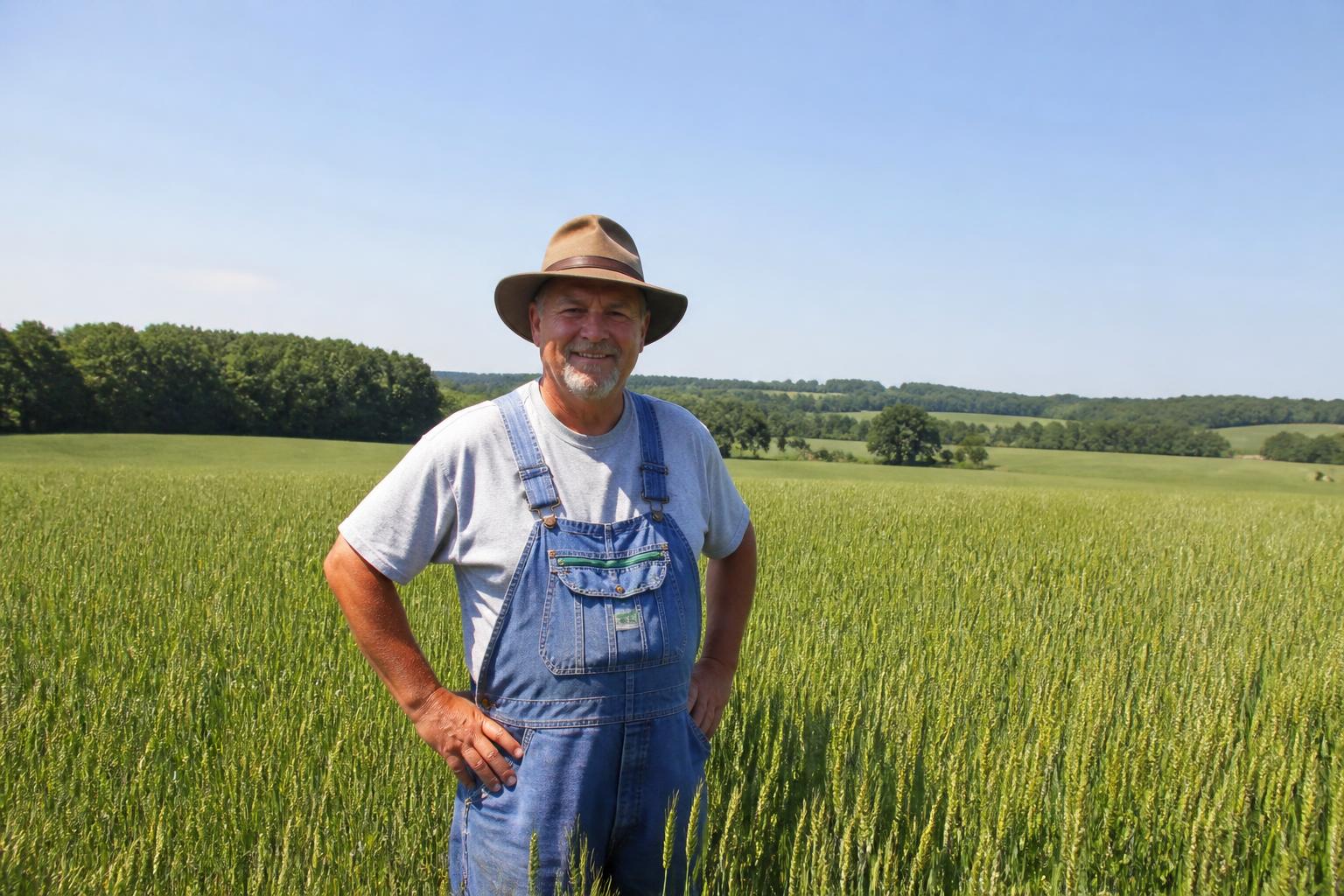
Strategic Planning for Wheat Establishment
As Tennessee producers transition through the summer season and begin looking toward autumn rotations, agronomic management remains a central focus for operational success. While the excitement of the next planting cycle often encourages early preparation, industry experts continue to emphasize the importance of adhering to recommended wheat planting windows. Jumping the gun on planting dates can expose young crops to significant pressures, including increased pest activity and potential soil-borne pathogens that thrive in warmer late-summer conditions.
Successful grain buyers, sellers and prices in Tennessee often rely on the consistency and quality that comes from disciplined crop management. By waiting for optimal soil temperatures and moisture levels, farmers can better protect their yield potential from the start. Focusing on these foundational practices helps maintain the long-term viability of Tennessee grain production, especially as the state continues to navigate evolving market demands and logistical shifts.
Recognizing Excellence in Tennessee Agriculture
The commitment to these high-standard farming practices is often highlighted by industry recognition. The recent announcement of Richard Jameson as the Sunbelt Farmer of the Year for Tennessee underscores the depth of expertise within the state. Such honors often reflect years of dedication to soil conservation, operational efficiency, and a deep understanding of the diverse regional needs across Tennessee counties, from the river bottoms to the rolling hills.
Key Takeaways for Producers
- Resist early planting: Avoid the temptation to put wheat in the ground too early, as this can increase vulnerability to pests and diseases common in the current climate.
- Prioritize soil health: Align planting schedules with university extension guidelines to ensure the best possible start for the upcoming crop.
- Focus on quality: High-quality output remains the best strategy for navigating competitive regional grain markets.
What it means for the market
For Tennessee producers and agribusinesses, the upcoming season represents a period of careful planning rather than aggressive expansion. By maintaining strict adherence to recommended agronomic timelines, farmers can help stabilize yield expectations and reduce the need for remedial crop protection measures. As the market looks ahead, disciplined production remains the strongest hedge against volatility, ensuring that Tennessee remains a reliable supplier in the national grain corridor.
Comments
No comments yet - be the first to share your take.