
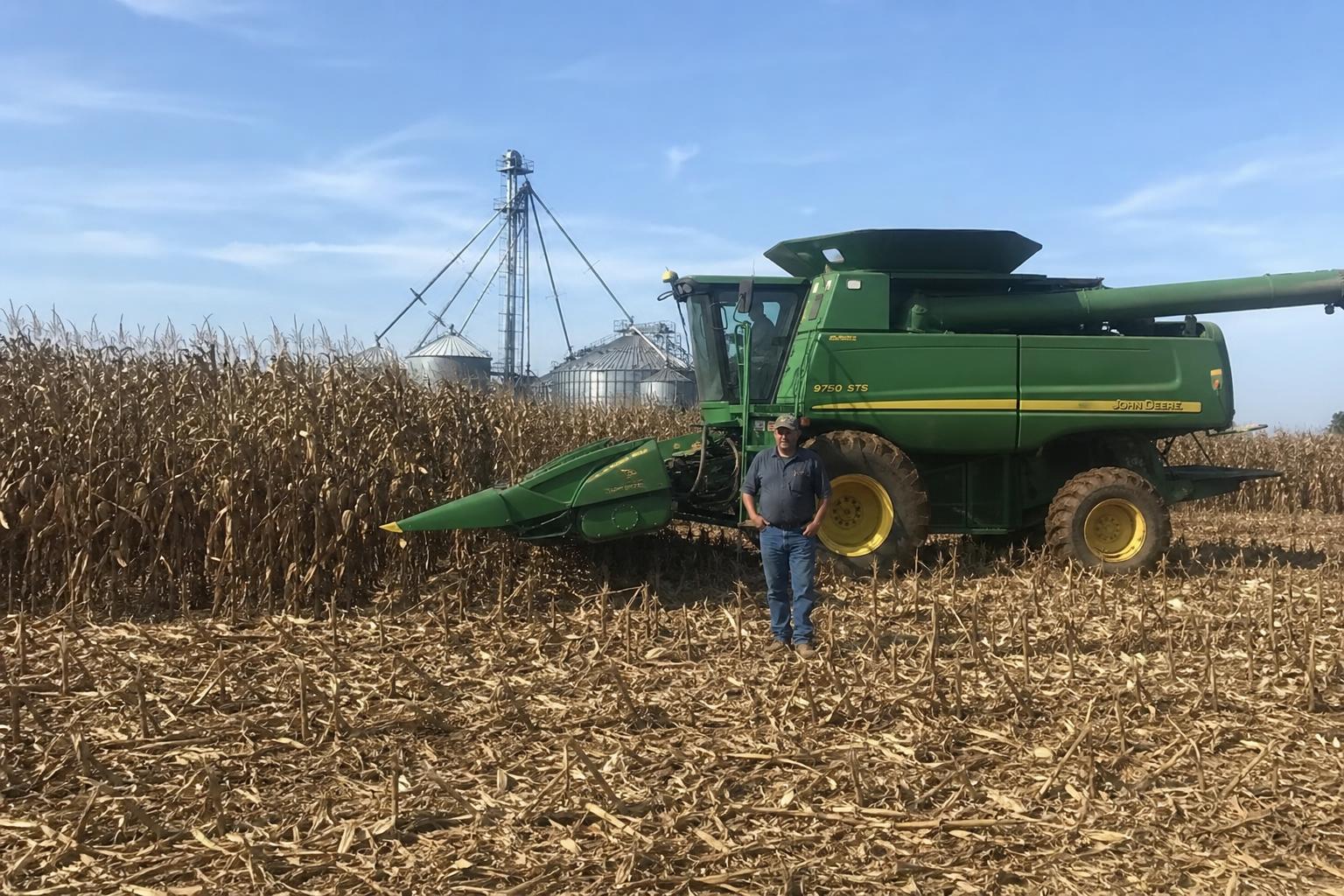
As the agricultural landscape shifts, Alabama's grain market is experiencing unique challenges and opportunities. 2024 promises to be a year of adaptation for farmers who are well-aware of the global influences impacting local markets. From geopolitical tensions impacting global crop supply to the weather patterns affecting harvests, several factors are setting the stage for Alabama's grain industry.
Global Factors and Local Implications
Recent geopolitical tensions, such as the ongoing conflict between Russia and Ukraine, have significantly disrupted global grain supplies. This disruption has not only limited exports but has also led to fluctuating grain prices worldwide, including in Alabama. For local farmers, adapting to these price changes is crucial for maintaining profitability.
Strategies for succeeding in this volatile market are essential, as understanding and anticipating these global trends can provide a competitive advantage.
Embracing Double-Cropping Strategies
Double-cropping, particularly with wheat and soybeans, continues to be a viable strategy for many farmers in the Southeast, including Alabama. This practice allows for maximizing land use efficiency and profitability. With rising input costs, double-cropping can offer a buffer against market volatility while also diversifying income streams.
For more insights on corn cultivation amid these trends, see Rising Corn Focus in Alabama for 2026: Strategic Insights for Farmers.
Climate Conditions and Crop Success
The Southeast's climate poses both opportunities and challenges for grain production. Mild winters can benefit winter wheat crops, but unpredictable weather patterns may impact yields. Alabama farmers need to closely monitor weather forecasts and adjust planting schedules to optimize their harvests.
Additionally, innovative farming practices and technologies can help mitigate these risks by improving resilience against adverse weather conditions.
What it means for the market
As Alabama's grain market navigates through 2024, the focus will remain on strategic planning amidst global and local challenges. Farmers who leverage double-cropping and stay informed about geopolitical impacts are likely to see the best outcomes. Continued adaptation and innovation will be key to thriving in this dynamic agricultural environment.
Comments
No comments yet - be the first to share your take.