
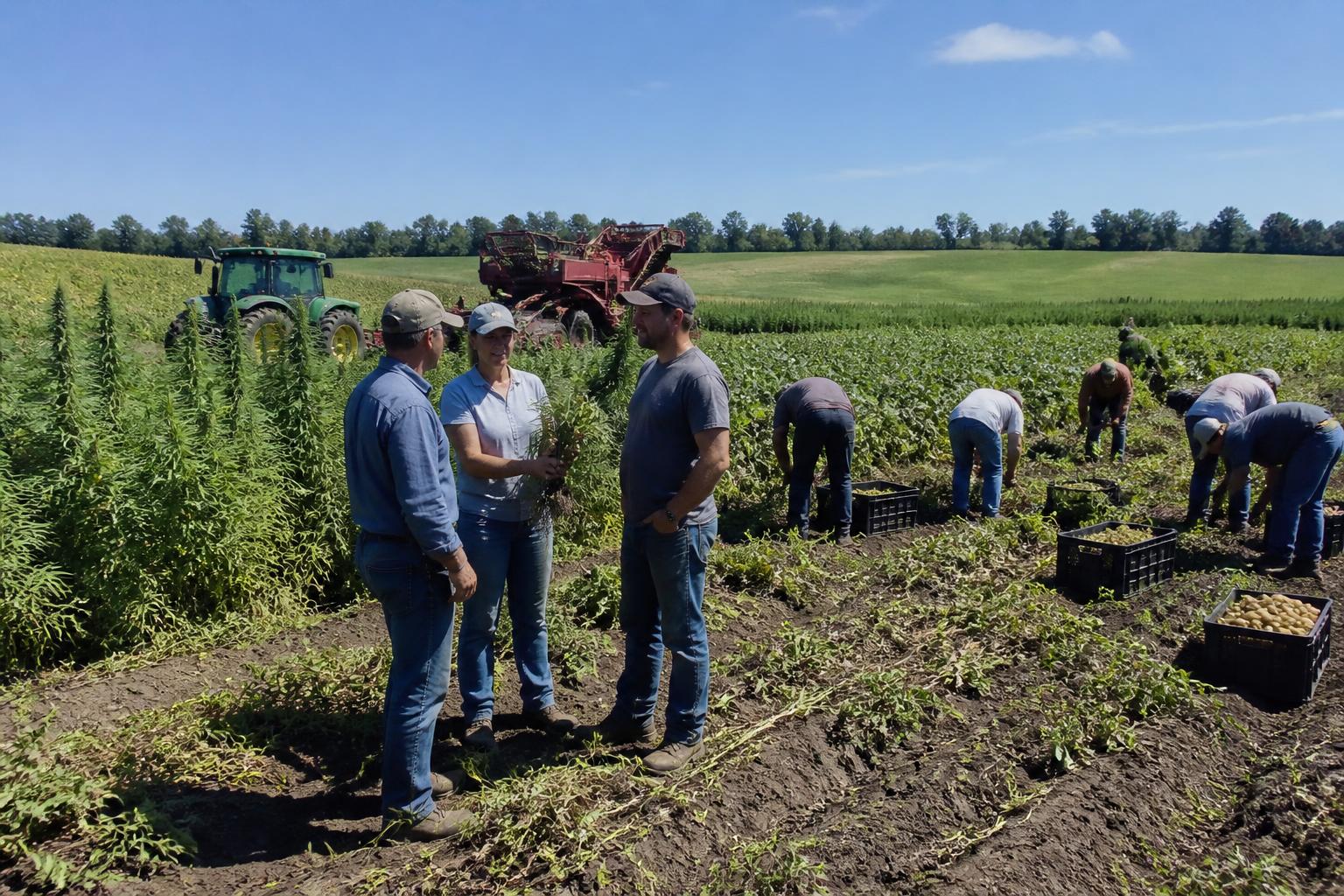
Mid-summer in Colorado brings a critical period for crop development and long-term farm planning. Producers across the state are currently navigating a complex environment where international conflicts continue to cast a shadow over input markets, particularly regarding fertilizer costs. For many growers, balancing these expenses against projected yields is essential for maintaining margins during this volatile growing season.
Agricultural operations in regions like the Eastern Plains and the Arkansas Valley are increasingly focusing on the efficiency of their current applications. As global supply chains remain sensitive to external shocks, staying informed about logistics and market shifts is crucial for regional competitiveness. Farmers are encouraged to monitor how broader industry trends—such as the recent push for sustainable soil health and the localized demand for specialized crops like millet—may provide new avenues for economic stability.
Adapting to Input Cost Pressure
The impact of global energy and conflict-driven price swings in the fertilizer market continues to challenge bottom lines in Colorado. While many producers are locked into their current plans, the uncertainty surrounding upcoming pricing cycles highlights the need for strategic procurement. Operators are finding that integrating diverse market insights, similar to those discussed in our analysis of operational resilience, can help mitigate risks associated with sudden spikes in the cost of production.
Streamlining Local Supply Chains
Beyond inputs, the efficient movement of grain and produce remains a primary concern for local elevators and brokers. With harvest activities progressing, regional logistics networks are under continuous pressure to manage inventory effectively. Producers who prioritize early communication with their local cooperatives and logistics partners often find themselves better positioned to handle bottlenecks during high-traffic periods, ensuring that inventory moves smoothly from the field to the regional terminal.
What it means for the market
The current landscape indicates that market awareness is as important as agronomic practice this summer. By closely watching global fertilizer trends and maintaining flexible logistics arrangements, Colorado farmers can better navigate the economic headwinds currently affecting the state's agricultural sector. Proactive management of both supply chain partners and cost inputs will be the key differentiator for operations looking to close the season on stable footing.
Comments
No comments yet - be the first to share your take.