
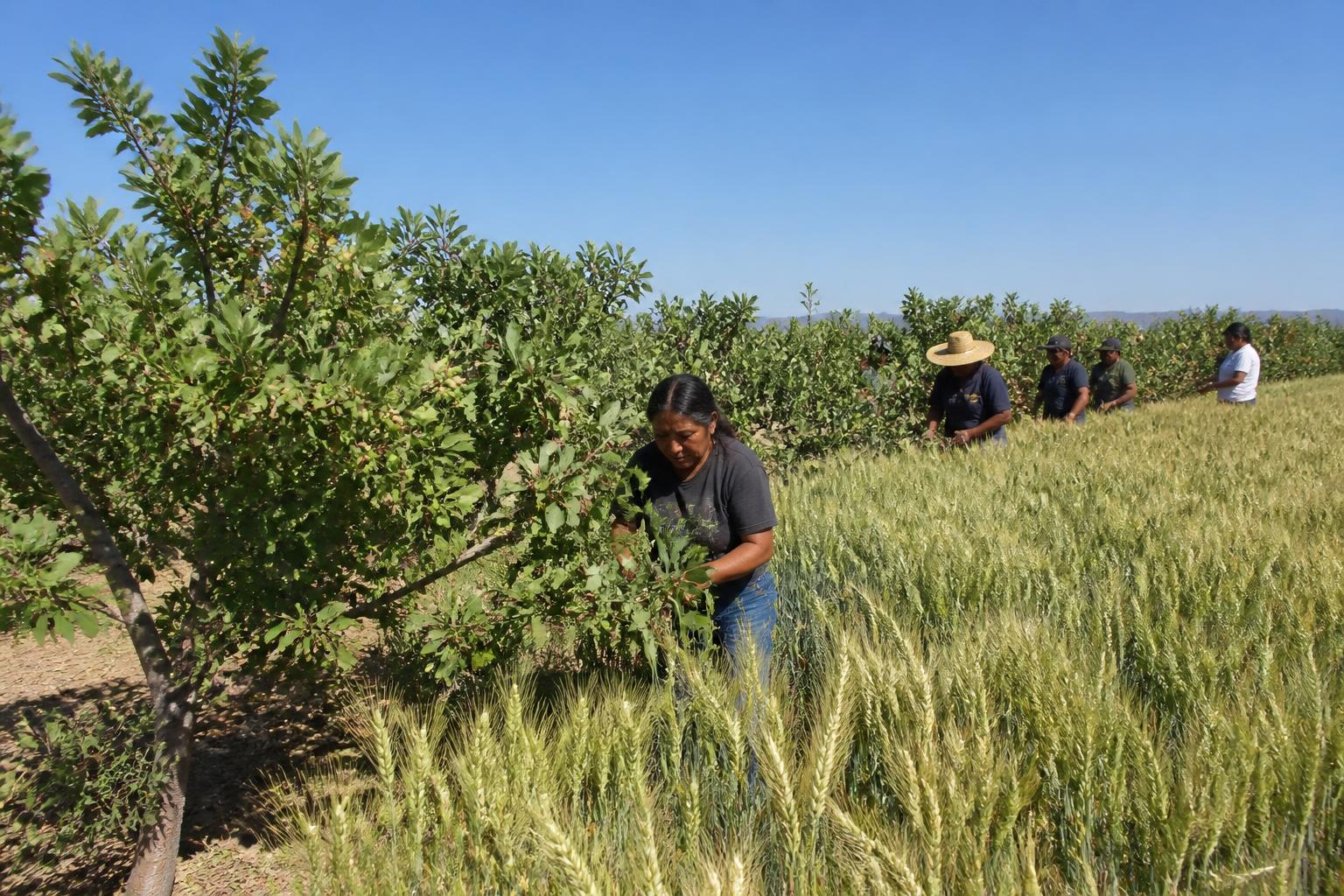
Arizona producers are navigating a transformative season as the industry emphasizes resource-conscious production methods alongside high-value exports. From the desert valleys to the state's traditional farming corridors, the focus remains on optimizing yields under persistent water constraints while maintaining a competitive edge in global markets.
New research suggests that durum wheat, a cornerstone crop in the state, continues to show promise for its water-use efficiency. By leveraging modern scientific advancements and traditional knowledge, growers are finding ways to maintain output despite the harsh climate. This adaptability is critical as producers look for ways to maximize the viability of their land, especially as they manage logistics and resource limitations that often define the late-summer growing window.
Global Appetite for Arizona Specialties
The state's specialty crop sector, particularly pistachios, is seeing significant interest from international buyers who are increasingly requesting Arizona-grown product by name. This shift underscores a growing brand recognition for desert-grown tree nuts, providing a potential buffer for growers against broader commodity price fluctuations. As demand grows, packing and processing efficiency will be essential to capitalize on these export opportunities.
Sustaining the Desert Vegetable Belt
In the Yuma region, farmers continue to address operational challenges that influence the long-term sustainability of the state's expansive vegetable empire. Beyond standard field management, stakeholders are exploring innovative biological solutions, such as the use of raptors to manage food safety risks in the field. These proactive approaches help ensure that the region remains a reliable supplier for domestic and international retail partners, further reinforcing the importance of Arizona's robust grain and produce marketplace.
What it means for the market
For agribusinesses and logistics providers, the current landscape necessitates a focus on high-efficiency crop varieties and premium market targeting. As international demand for Arizona specialties strengthens, those who can demonstrate both environmental stewardship and consistent supply chain reliability will be best positioned to thrive. Growers should continue to monitor water availability closely as the fall transition approaches, as regional resource management will remain a primary determinant of profitability for the upcoming planting cycle.
Comments
No comments yet - be the first to share your take.