
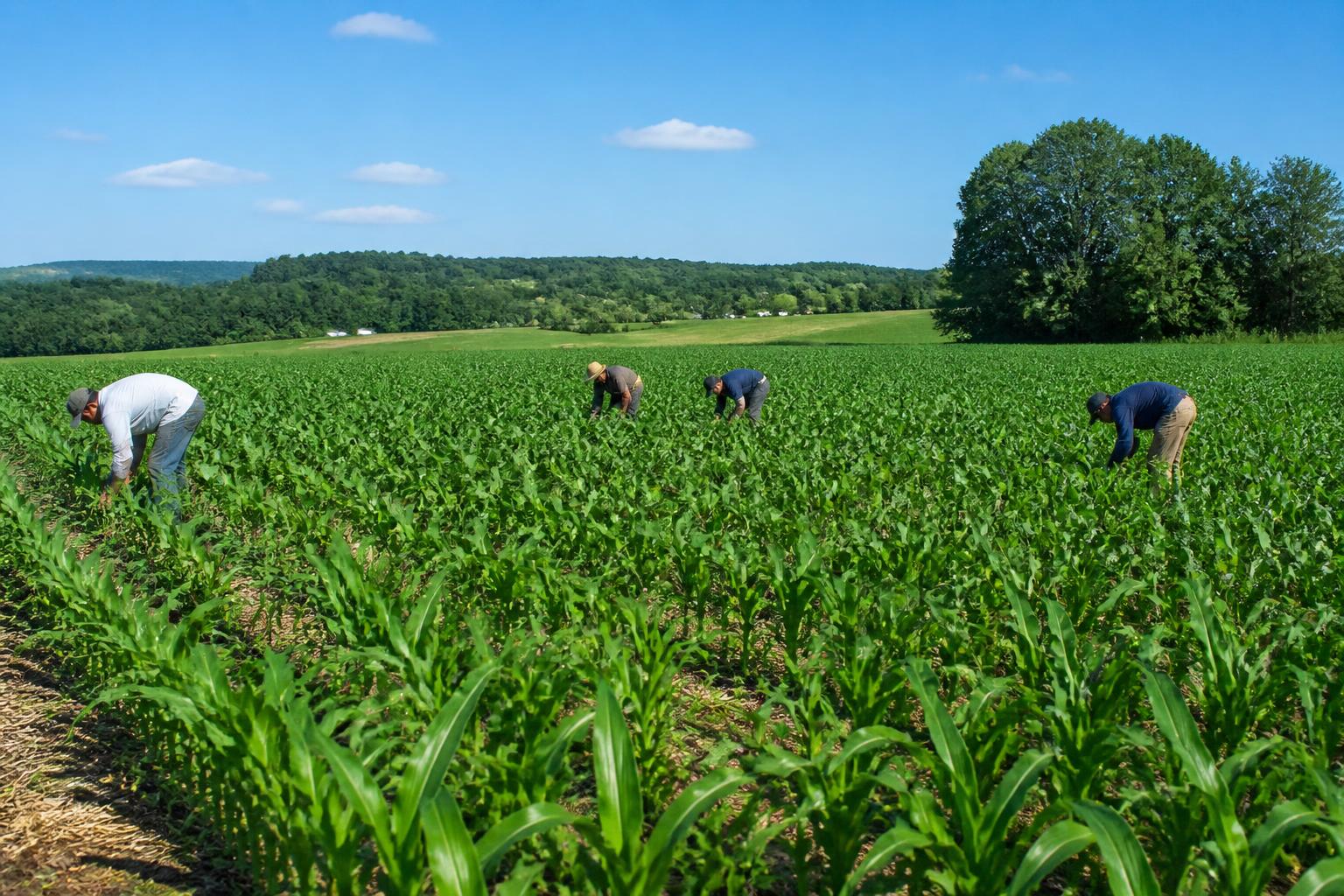
Mid-August represents a critical period for Virginia producers as the summer heat tests crop resilience across the state's diverse geography. From the rolling pastures of the Piedmont to the fertile fields of the Tidewater, farmers are currently navigating a complex mix of logistical demands and long-term land stewardship challenges. With variable weather patterns and evolving crop management requirements, efficiency in field operations remains a priority for local operations.
State producers continue to balance immediate productivity with the preservation of rural assets. Recent developments, such as the increased adoption of conservation easements in areas like Bedford County, highlight a growing trend toward securing farmland against development. For those managing active acreage, the focus often turns to protecting yield potential through targeted monitoring of crop pathogens and weed management strategies. These efforts are increasingly supported by regional agricultural research hubs that look at novel modes of action to keep production viable despite seasonal pressures.
Adapting to a Shifting Growing Season
Changes in typical frost timing and moisture availability are prompting many producers to re-evaluate their seasonal calendars. While historical norms have long guided planting and harvest schedules, the tendency for later autumn frosts is creating new opportunities and risks for late-season crop development. Operators should remain observant of how these shifting climate indicators may impact the health of their specific soil profiles and subsequent input requirements.
Innovations in Input Management
With ongoing interest in sustainable agriculture, Virginia's agribusiness sector is seeing a push toward smarter input usage. Whether through precision fertilizer applications or the integration of controlled environment technologies, the goal is to optimize yield while managing resource costs. This movement is particularly relevant as concerns surrounding soil quality and the management of chemical residues remain a priority for regional stakeholders committed to maintaining the long-term health of the food supply chain.
What it means for the market
For Virginia agribusinesses, the current market environment rewards those who prioritize both land security and production efficiency. Farmers who leverage data-driven insights for crop protection and engage with land preservation tools are better positioned to weather the volatility inherent in today's global agricultural climate. As the season progresses, focusing on these dual pillars of sustainability and precision will likely prove essential for maintaining operational resilience.
Comments
No comments yet - be the first to share your take.