
Managing Resources in the Centennial State
As we move through the heat of August, Colorado farmers are balancing the ongoing demands of late-season crop management with the realities of water conservation. In regions reliant on the Colorado River, the precision of irrigation is more critical than ever. Producers often face the dual challenge of maximizing yield potential while adhering to sustainable water usage practices that protect the long-term viability of their acreage.
Efficient grain buyers, sellers and prices in Colorado remain a focal point for operations as the season progresses. Maintaining clear communication with local elevators and transport providers helps ensure that harvest bottlenecks are kept to a minimum, especially when regional transport corridors experience typical seasonal congestion.
Refining Input Efficiency
For those managing small grains, the window for late-season inputs can be narrow. Understanding the physiological stages of the crop is essential, as applying nitrogen too late may not provide the expected return on investment. Many growers are currently evaluating their soil health and nutrient profiles to prepare for the upcoming post-harvest transitions, emphasizing the need for data-driven decision-making in the field.
Logistics and Field Operations
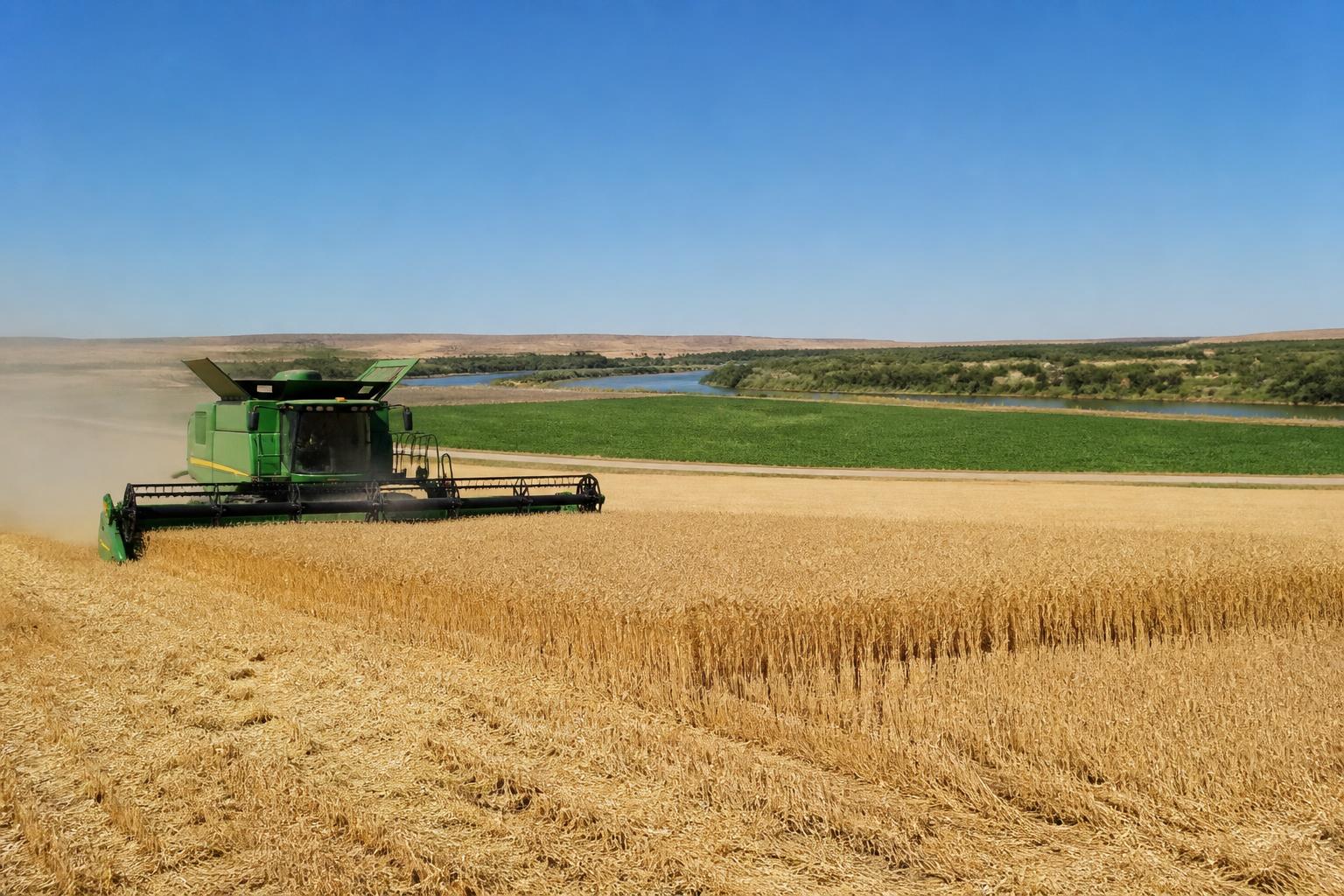
The rhythm of harvest season brings its own set of operational demands. Whether coordinating combine movements across the Eastern Plains or managing local storage facility intake, the ability to adapt to variable weather patterns is a hallmark of successful Colorado operations. Reliable equipment maintenance and proactive scheduling of custom harvesting services can often mitigate delays caused by unpredictable summer storms or regional equipment shortages.
What it means for the market
The current market environment encourages producers to maintain high operational awareness. By focusing on efficient water management and staying updated on local grain pricing trends, Colorado agribusinesses can better navigate the competitive landscape. As the summer season continues, maintaining strong logistical partnerships will be key to managing the flow of commodities effectively from the field to the regional terminal.
Comments
No comments yet - be the first to share your take.