
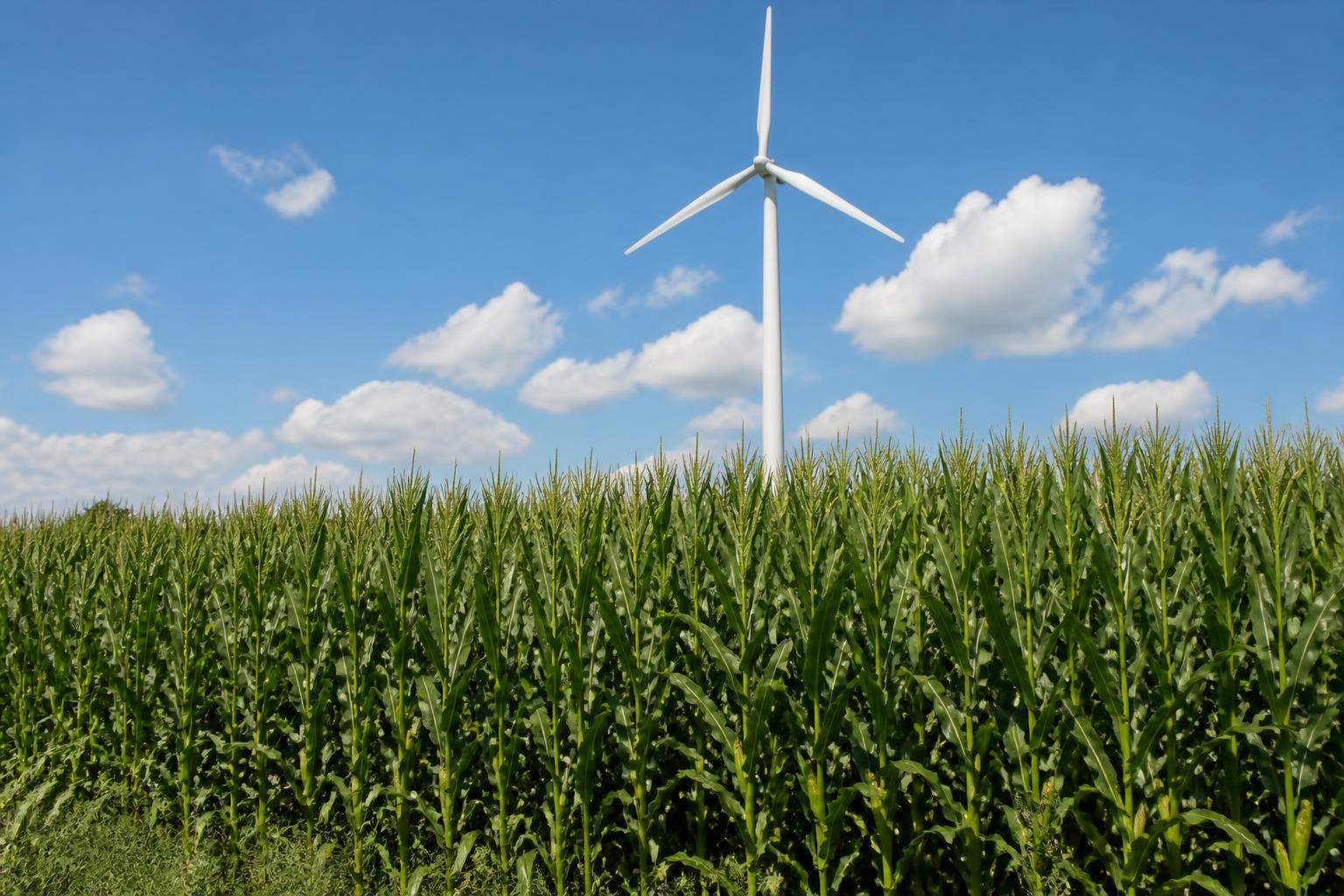
The agricultural landscape in Wyoming is currently navigating a period of infrastructural transition, as industrial projects begin to intersect with traditional crop production. Most notably, recent developments in carbon sequestration logistics indicate that significant volumes of CO2 may soon move from neighboring Nebraska corn operations to hubs located within Wyoming. For local grain handlers and land managers, these long-term infrastructure shifts signal a potential re-evaluation of land use and logistics corridors across the state.
Technology Enhancing Safety and Efficiency
Beyond broad logistics, individual farm-level operations continue to integrate new technology to address age-old hazards. Safety in grain storage remains a top priority, with new automated robotics now being deployed to assist in bin management, effectively reducing the need for personnel to enter potentially dangerous environments. These tools are becoming increasingly relevant as producers look to monitor emerging grain market trends while simultaneously upgrading their on-site safety protocols to protect their workforce.
Diversification and Regional Growth
Wyoming agriculture is also seeing a shift toward high-value, niche crops that challenge traditional seasonal limitations. From Pinedale to Lingle, producers are exploring indoor farming for year-round produce and utilizing drones for facility management. While traditional grain production remains a pillar of the state's economy, these innovations suggest that Wyoming farmers are finding creative ways to maximize productivity despite the challenging high-altitude environment and variable moisture conditions.
Key Takeaways for Producers
- Logistics Expansion: Keep a close eye on regional carbon pipeline projects that could impact local land access and future storage site planning.
- Safety Tech: Consider the implementation of automated grain bin robots to lower operational risks during the upcoming fall harvest preparation.
- Diversified Revenue: Opportunities in controlled-environment agriculture are expanding, providing potential alternatives for those looking to hedge against conventional commodity price volatility.
What it means for the market: The influx of capital-intensive projects and the adoption of high-tech safety tools suggest that Wyoming's agricultural sector is maturing into a more integrated part of the broader industrial supply chain. While immediate market prices remain tied to national futures, local producers who adopt efficiency-boosting technologies and stay informed on regional infrastructure developments will be better positioned to manage the pressures of a shifting agricultural economy.
Comments
No comments yet - be the first to share your take.