
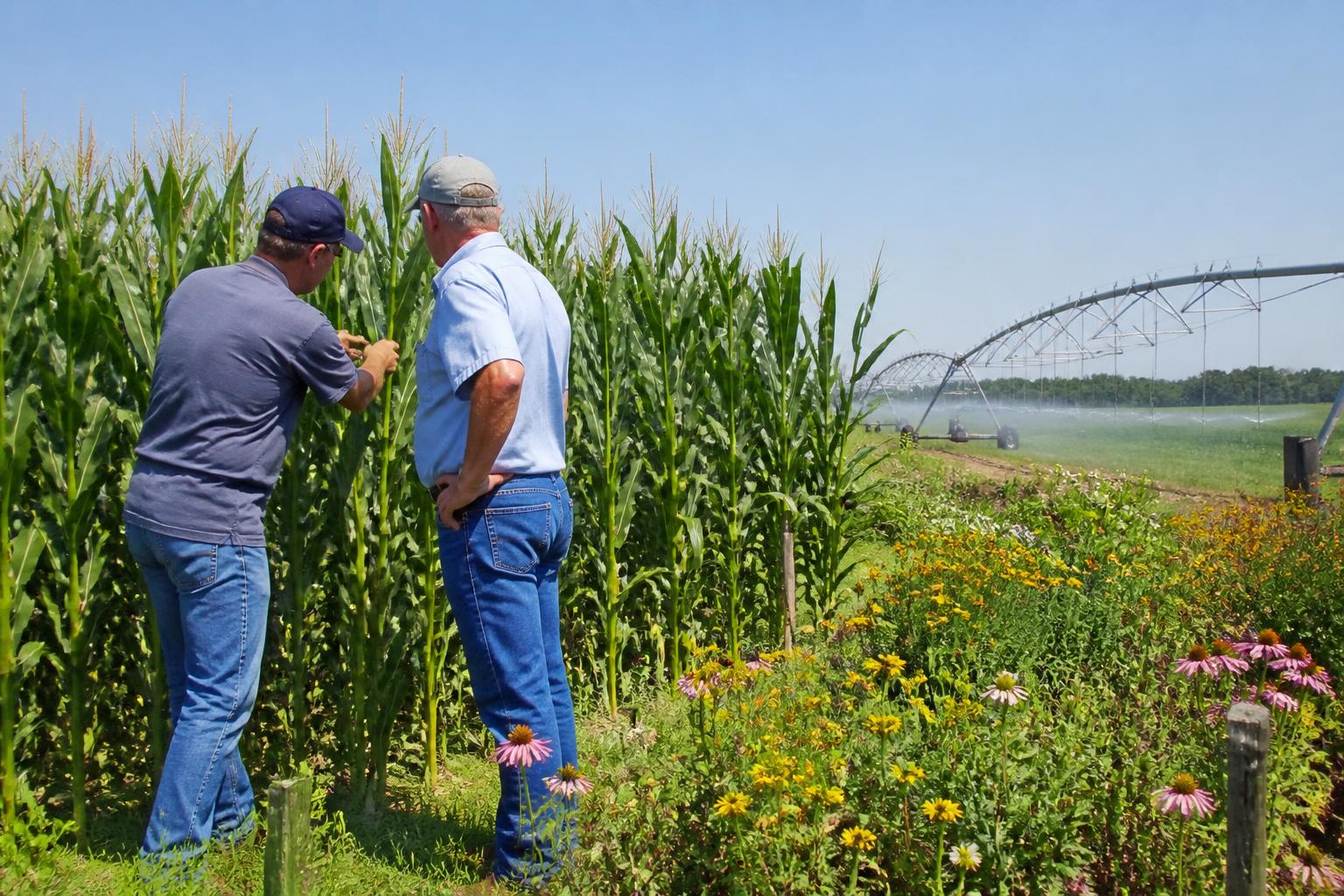
As Florida producers move through the peak of the summer, the focus remains firmly on maintaining operational efficiency while navigating complex input markets. Managing fertilizer usage remains a critical priority for both crop health and environmental stewardship in sensitive regions, particularly as growers balance the need for nutrient density with rising logistics pressures.
For many across the state, maintaining fertilizer supply chain resilience has become an ongoing strategic exercise. Whether operating in the specialized muck soils near Lake Okeechobee or managing intensive vegetable production in South Florida, the ability to source inputs reliably and apply them efficiently can directly influence a farm's bottom line. The adoption of precision tools and sustainable alternatives is becoming a more common feature in operational planning to mitigate the impact of price volatility and regional distribution constraints.
Refining Input Strategies
The conversation around nutrient management is evolving beyond traditional methods. Producers are increasingly looking at ways to reduce waste by timing applications to match specific growth windows. This shift is not only about cost-cutting; it is a pragmatic approach to regulatory and environmental realities that define much of Florida's agricultural landscape. By utilizing advanced application technologies, growers are finding that they can achieve higher efficiency while minimizing runoff risks during the intense summer rainfall patterns common in the peninsula.
Logistics and Market Resilience
Infrastructure remains the backbone of the state's agricultural sector. From the movement of heavy inputs through coastal ports to the specialized transport required for perishable produce, supply chain fluidity is essential. As businesses propose new industrial parks and warehousing facilities in areas like Boynton Beach, the regional logistics network may see further integration, potentially offering new opportunities for grain handlers and input suppliers to streamline their storage and distribution capabilities.
Key Takeaways
- Prioritizing precision application helps align nutrient delivery with crop demand, reducing potential waste.
- Monitoring supply chain developments, including infrastructure growth near key transit hubs, is vital for long-term logistics planning.
- Sustainable, high-efficiency fertilizers are increasingly viewed as a tool for both cost management and regulatory compliance.
What it means for the market: For Florida agribusinesses, the current climate dictates a move toward agility. By proactively managing input procurement and staying informed on regional infrastructure updates, growers and handlers can better position themselves against the cyclical disruptions common in the fertilizer market, ensuring that productivity remains stable throughout the season.
Comments
No comments yet - be the first to share your take.