
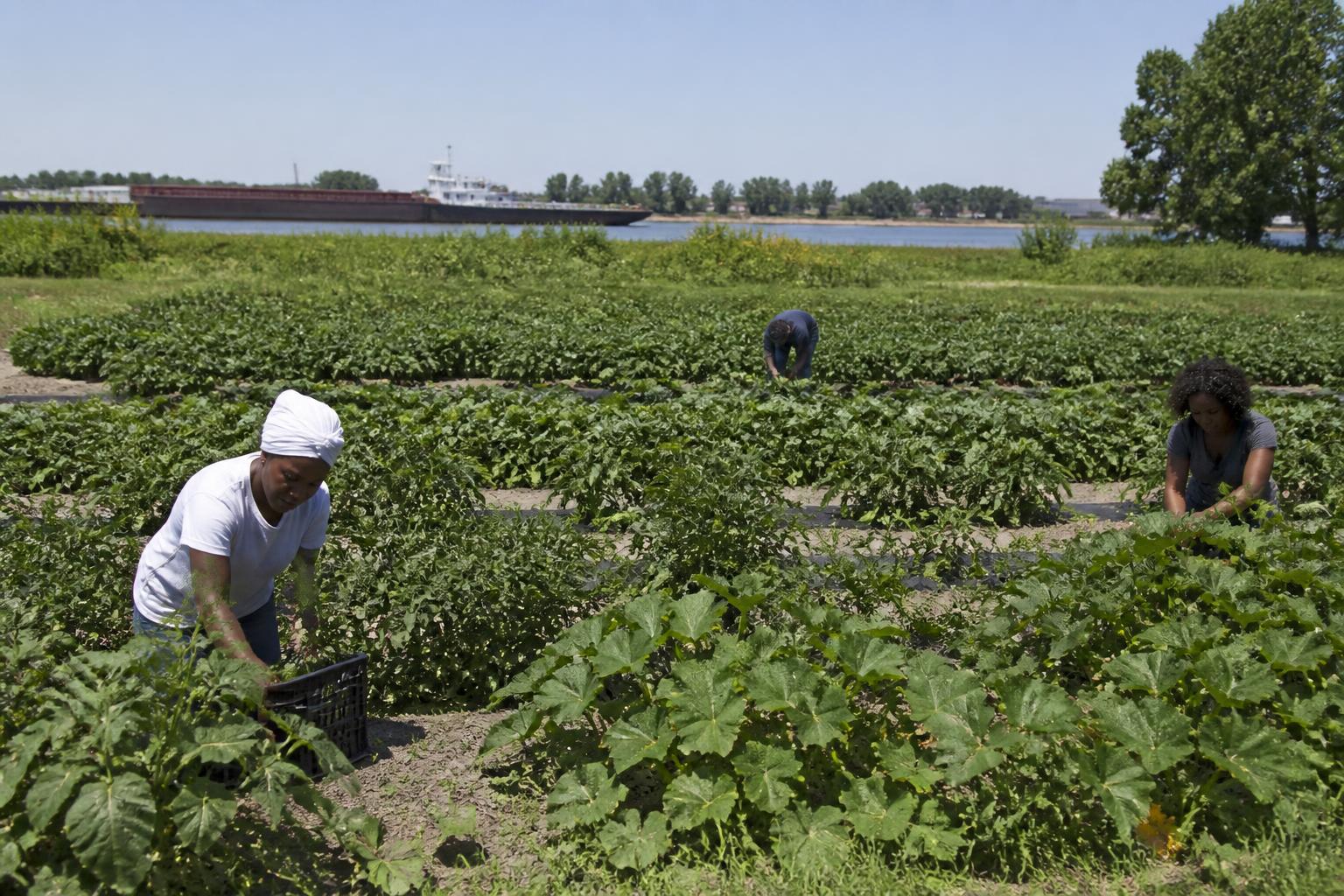
In Louisiana, the agricultural landscape is currently defined by a delicate balance between active harvest logistics and the broader, often unpredictable, dynamics of the Gulf Coast export corridor. As producers work through the summer season, maintaining reliable access to market outlets remains a primary concern, especially as regional grain infrastructure continues to evolve in response to fluctuating demand and environmental variables.
Navigating Infrastructure and Transport Realities
The reliability of the state’s grain supply chain is currently being tested by a variety of factors. From the logistical hurdles impacting the Mississippi River to the ongoing necessity for transparent and secure grain handling, agribusinesses are staying vigilant. Recent shifts in the competitive landscape, including major corporate restructuring among key industry players, underscore the importance for farmers to carefully assess their partnerships and sell grain in Louisiana through channels that prioritize both stability and financial security.
Resilience Amid Environmental and Regulatory Pressures
Louisiana growers are no strangers to the impact of adverse weather. Seasonal volatility, including the lingering effects of storm systems that have previously disrupted harvest timelines, requires robust contingency planning. Beyond physical weather risks, producers are also closely monitoring how shifting legislative priorities, such as the ongoing discourse surrounding the federal Farm Bill, may influence long-term operational resilience and support structures. Furthermore, as the industry embraces technological advancements, including the potential integration of modernized connectivity initiatives, the focus remains on streamlining the movement of goods from the field to the terminal.
What it means for the market
For Louisiana farmers and grain handlers, the current environment demands a proactive approach to risk management. Prioritizing partnerships with vetted, financially stable grain elevators is essential to mitigating the fallout from industry consolidation and market uncertainty. Keeping a close watch on regional waterway health and inland logistics will remain critical as the season progresses and harvest volumes increase.
Comments
No comments yet - be the first to share your take.