
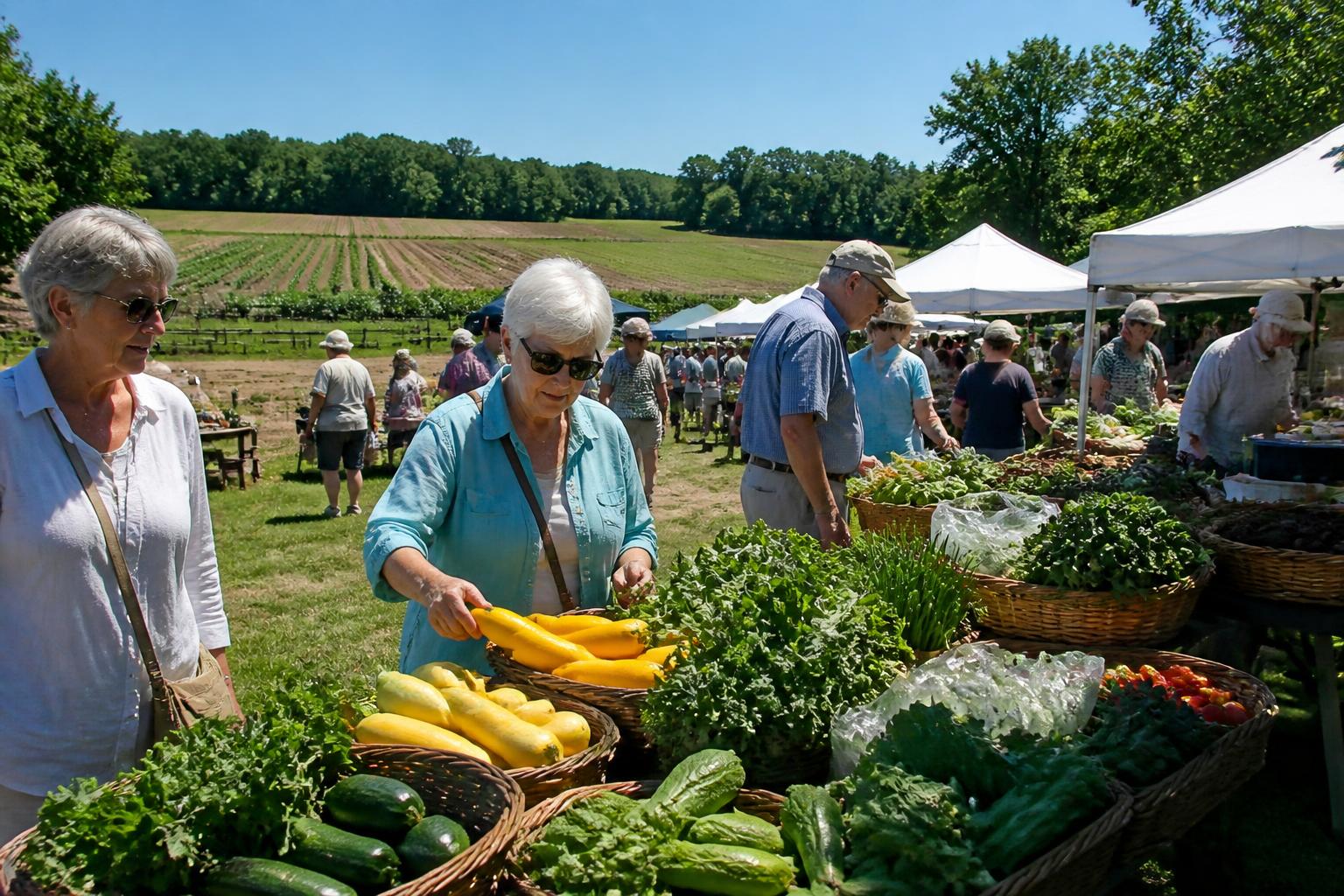
As Rhode Island advances through the summer, the agricultural sector is shifting its focus toward high-volume harvest windows. For many local producers, this time of year brings unique logistical pressures, from coordinating transit along coastal corridors to managing supply flow for regional farmers markets. Operators are often balancing the immediate needs of fresh harvest delivery with broader supply chain adjustments that can impact farm gate returns.
Understanding the local regulatory environment remains a critical piece of the puzzle for Rhode Island agribusinesses. Whether navigating the complexities of land-use permits or managing seasonal labor needs, producers in areas like Washington County often find that early preparation is key to avoiding bottlenecks. Producers should remain aware of local resources, including logistical management strategies for late-summer grain and produce, to ensure their operations remain resilient during high-traffic periods.
Adapting to Infrastructure and Market Shifts
Beyond the field, the regional transport landscape is evolving. Efficient movement of goods is essential for maintaining margins, especially when navigating the state's smaller, rural routes that see increased traffic during the height of the summer tourism and harvest season. Reliable access to regional distribution hubs and local market networks continues to be a central theme for those managing transport challenges in the current Rhode Island market. By maintaining a focus on load consolidation and timing, many operations can effectively mitigate some of the inherent hurdles in the local supply chain.
Building Operational Resilience
As the sector looks toward the remainder of the year, there is a recurring emphasis on operational efficiency. Integrating sustainable practices is not only becoming a standard for industry recognition but also a practical way to manage land assets. Whether it is through optimizing existing infrastructure or exploring new avenues for product placement at community-facing outlets, the focus remains on keeping operations lean and responsive to the specific demands of the New England market.
What it means for the market
For Rhode Island agribusinesses, the current outlook underscores the importance of local logistics management as a primary driver of stability. Proactive engagement with regional supply networks and staying informed on administrative requirements will be essential for navigating the remainder of the season. Producers who prioritize efficient transportation and localized marketing strategies are well-positioned to maintain steady performance despite broader economic fluctuations.
Comments
No comments yet - be the first to share your take.