
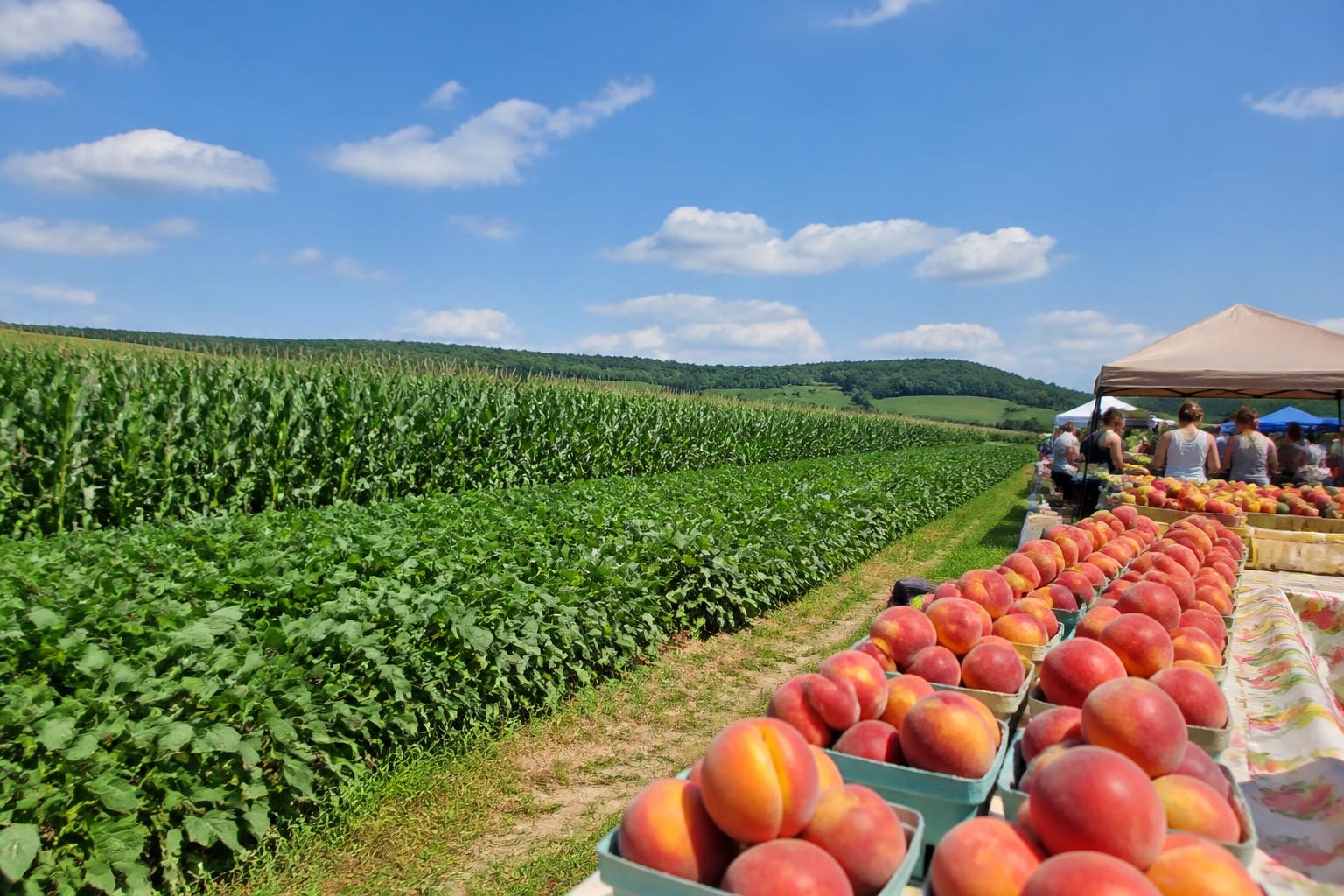
In the heart of the summer season, Rhode Island farmers are deep into harvest schedules, particularly for popular local crops like peaches. For those moving goods to market, managing transport efficiency remains a constant balancing act between labor availability and the logistical demands of regional supply chains. As identified in recent Rhode Island ag-logistics reports, maintaining steady movement from the field to local distributors requires careful planning to account for infrastructure constraints.
Producers are balancing these immediate logistical needs with broader shifts in land management and agribusiness trends. Throughout the state, from protected waterfront acreage in Warwick to the active fields in Washington County, farmers are evaluating how to better secure their market access. This includes looking at how infrastructure needs and local market access impact the bottom line for smaller, diversified operations.
Adapting to Summer Market Dynamics
The agricultural landscape in Rhode Island is increasingly focused on finding sustainable ways to strengthen local systems. Whether it is through the growth of farmers markets or the integration of controlled-environment agriculture, the state's agribusiness sector is showing resilience. Understanding the nuances of navigating mid-summer transport realities is essential for operators looking to mitigate the rising costs of inputs and fuel. As regional transport routes see typical seasonal traffic, operators may find success by prioritizing route optimization during peak morning and evening windows to avoid congestion.
What it means for the market
For Rhode Island agribusinesses, the current focus is on maintaining flow while costs remain elevated. Success depends on the ability to anticipate local logistics bottlenecks and prioritize direct-to-consumer or wholesale delivery schedules that bypass the most congested transport arteries. While national trends regarding planting intentions and crop futures provide a macro perspective, the local reality for the coming weeks remains centered on reliable, efficient, and cost-effective distribution of perishable summer commodities.
Comments
No comments yet - be the first to share your take.