
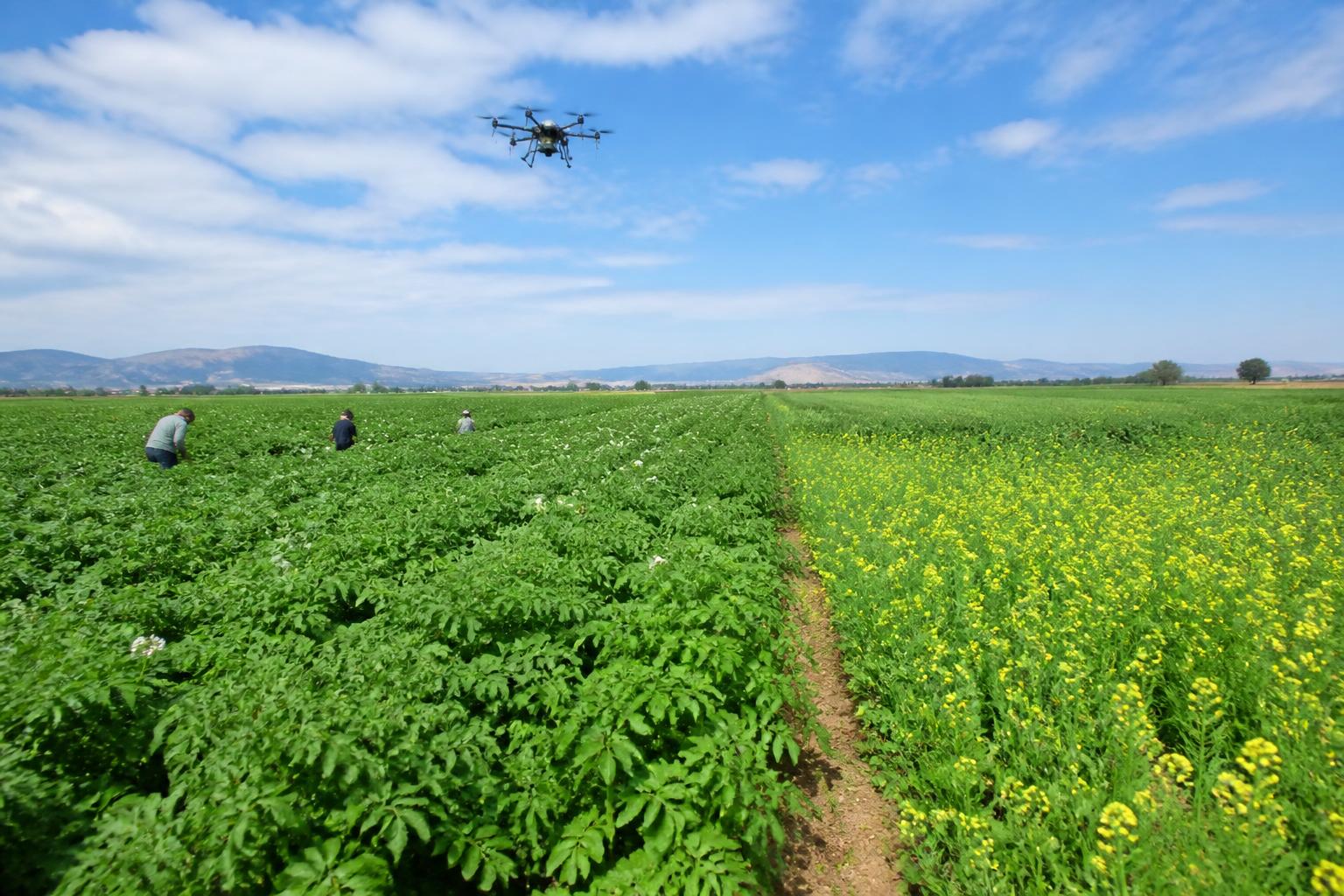
As the Idaho agricultural season hits its peak in late August, producers across the state are focusing on optimizing yield potential and streamlining field operations. With potato harvest windows approaching, managing soil health and input efficiency remains a top priority for regional growers.
There is growing interest among Idaho potato producers in incorporating mustard as a strategic rotation crop. This practice is increasingly seen as a way to enhance soil quality and manage pest pressures naturally, providing a potential leg-up for subsequent high-value potato cycles. For those planning upcoming crop management schedules, staying informed on best practices for protecting crop integrity is essential to maintaining regional standards.
Expanding Precision Ag Support
Technology continues to integrate into daily operations, with recent developments in drone-based surveying and civil engineering services specifically targeting Idaho's agricultural and rural construction sectors. The arrival of specialized drone networks is aimed at helping larger farming operations improve precision mapping and infrastructure maintenance, potentially reducing the time required for land assessment and water management planning.
Infrastructure and Operational Shifts
Efficiency remains the central theme for the 2026 season. As logistics networks across the state work to keep pace with demand, growers are encouraged to account for potential congestion on major corridors as seasonal shipping activity increases. For operations looking to optimize their long-term supply chain and transport strategies, reviewing recent gains in Idaho ag logistics can provide valuable context for navigating regional infrastructure constraints.
What it means for the market
The convergence of biological soil management through rotation crops and the adoption of high-tech aerial surveying reflects a dual-focus strategy: increasing fundamental yield stability while simultaneously cutting operational overhead. Producers who integrate these tools effectively may find themselves better positioned to weather price volatility and regulatory shifts that continue to influence the broader Idaho agribusiness landscape.
Comments
No comments yet - be the first to share your take.