
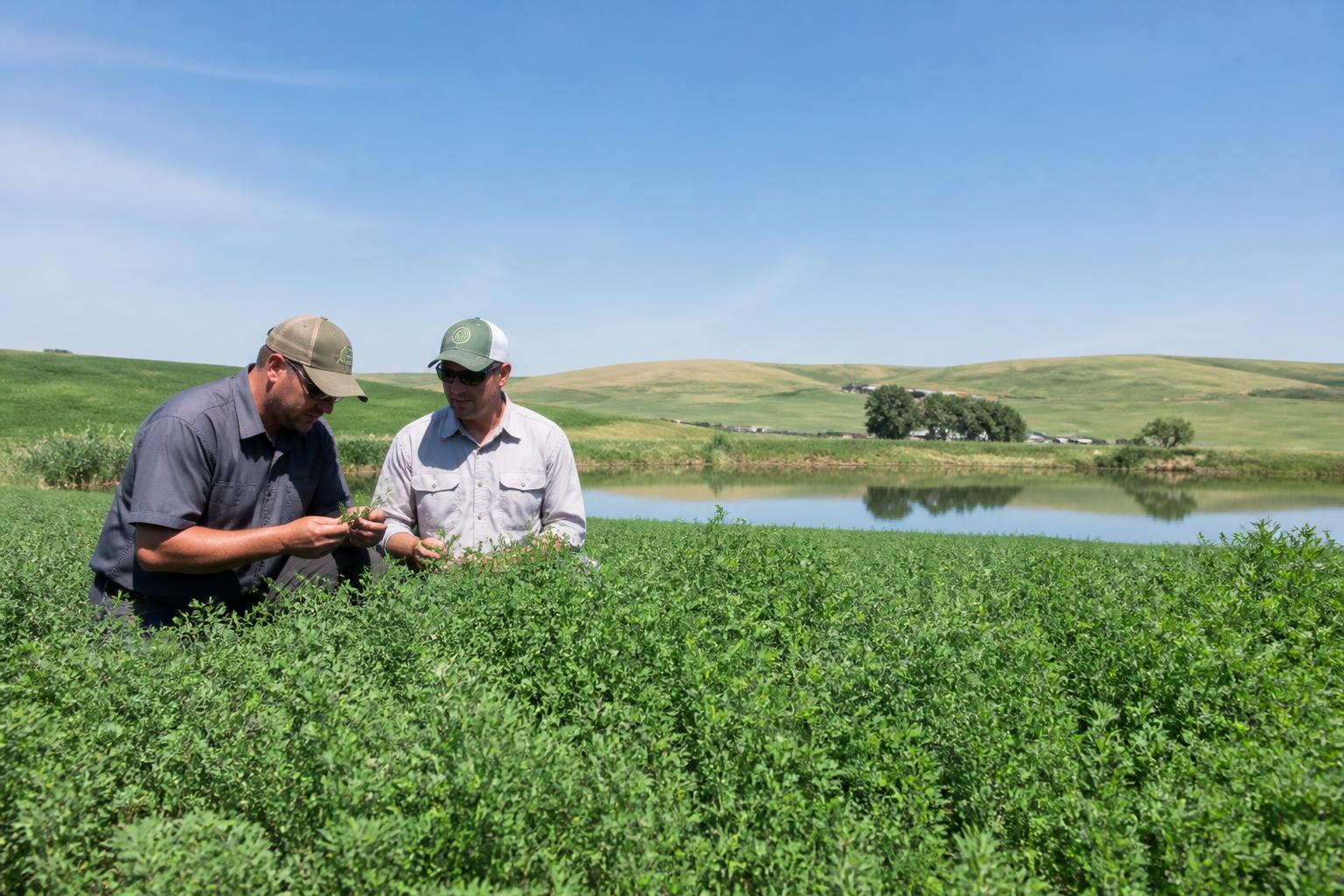
Mid-summer in Idaho brings a demanding schedule for growers, as field management shifts focus toward protecting yield potential against a backdrop of variable environmental conditions. For many across the state, managing moisture levels and monitoring for late-season pests are essential steps to ensure crop health. Recent data suggest that excessive moisture in some regions has complicated standard herbicide applications, requiring producers to stay vigilant regarding crop sensitivity and potential chemical damage.
Leveraging Real-Time Data for Strategic Protection
In response to these challenges, the reliance on digital resources, such as regional pest monitoring dashboards, has become increasingly vital. These tools provide producers with the data necessary to make informed, timely decisions, reducing the likelihood of over-application or missed intervals. By utilizing site-specific information, farmers can better manage the evolving complexity of fertilizer and nutrient applications while minimizing environmental impact.
Regulatory and Market Compliance
Agribusinesses across Idaho also continue to navigate a changing legal landscape. Whether addressing environmental cleanup settlements or discussions regarding the continued use of standard industry herbicides like glyphosate, the regulatory climate is top of mind for many stakeholders. Proactive engagement with local watershed councils and compliance entities can help mitigate long-term operational risks. Maintaining awareness of these safety and regulatory trends is as important to the bottom line as effective field management.
Building Resilience in Idaho Ag
The consolidation of agricultural retail, exemplified by significant recent acquisitions in the state, is reshaping the supply chain for inputs and services. As companies expand their footprint, producers may find new opportunities for integrated services that streamline both supply procurement and compliance monitoring. These shifts can provide much-needed support for families and operators looking to preserve the viability of their productive agricultural footholds against mounting competition.
What it means for the market
For Idaho growers and handlers, the current environment emphasizes the value of data-driven protection strategies. Efficiency is increasingly defined by the ability to adapt to rapid weather shifts while strictly adhering to a complex, evolving regulatory framework. Producers who prioritize early pest detection and maintain open lines of communication with their service providers will be better positioned to navigate the risks inherent in the current summer season.
Comments
No comments yet - be the first to share your take.