
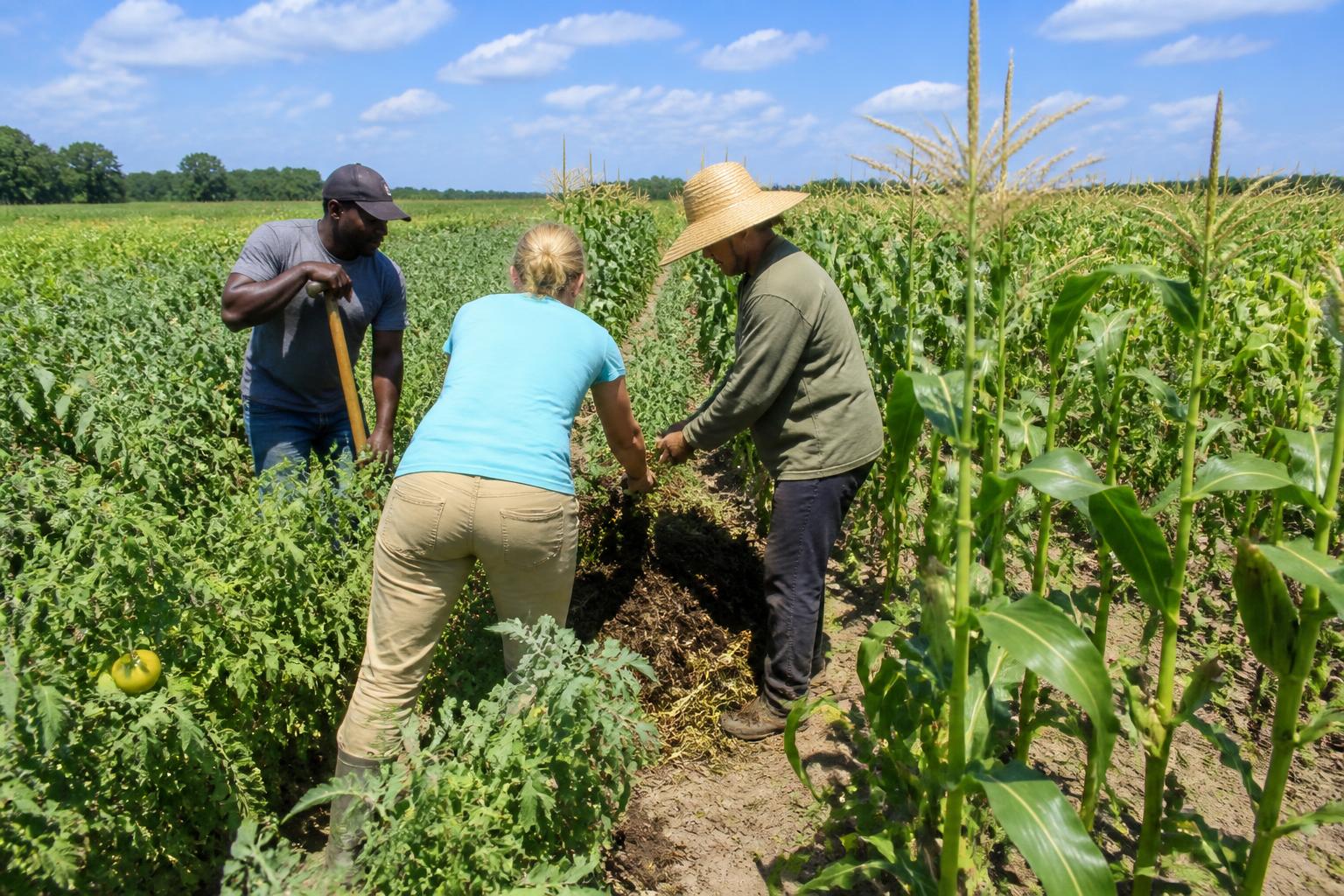
As Florida moves through the peak of the summer season, the state's agricultural sector remains a study in resilience and strategic transition. Growers across the peninsula continue to grapple with the dual pressures of environmental volatility and a shifting marketplace, where land-use policies and global commodity flows are increasingly reshaping the operational map for family farms and commercial operations alike.
Recent policy focus has sharpened on the preservation of agricultural land, notably in Northern Florida. Initiatives to permanently protect farms from development are becoming a focal point for state leadership, reflecting an ongoing effort to maintain the viability of the rural landscape against mounting pressure from suburban expansion. These land-use decisions often carry significant weight for long-term production, especially in counties where legacy operations anchor local economies.
Adapting to Supply Chain Flux
The state's input and commodity markets are also seeing subtle but notable adjustments. Recent reports of non-traditional procurement patterns, such as the entry of international wheat into local logistics pipelines, highlight the agility required by Florida grain handlers and distributors. Such shifts may reflect broader trends in domestic and regional supply chain stability, requiring stakeholders to rethink conventional sourcing strategies to ensure they have the necessary inputs to maintain seasonal productivity.
For those managing input costs, staying updated on regional resilience strategies is paramount. Maintaining a secure and consistent supply chain remains a top priority as producers attempt to mitigate the effects of global volatility on localized farm operations.
Technology and Innovation in the Field
Beyond logistics, technical innovation continues to drive efficiency. New support structures for specialty crops, such as tomatoes, are being deployed to boost harvest yields. Simultaneously, the focus on soil health and mineral restoration remains a consistent theme for producers aiming to maintain land productivity over multiple seasons. These investments are increasingly viewed not just as agronomic improvements, but as essential components of risk mitigation in an unpredictable climate.
What it means for the market
Florida's agricultural market is currently defined by a focus on asset protection and operational flexibility. For farmers, this means that the value of protected land is likely to remain high, while grain and input buyers should prepare for continued shifts in sourcing as global market conditions bleed into local availability. With the summer season presenting typical weather-related operational hurdles, a disciplined approach to inventory management and long-term land planning remains the most effective strategy for regional stakeholders.
Comments
No comments yet - be the first to share your take.