
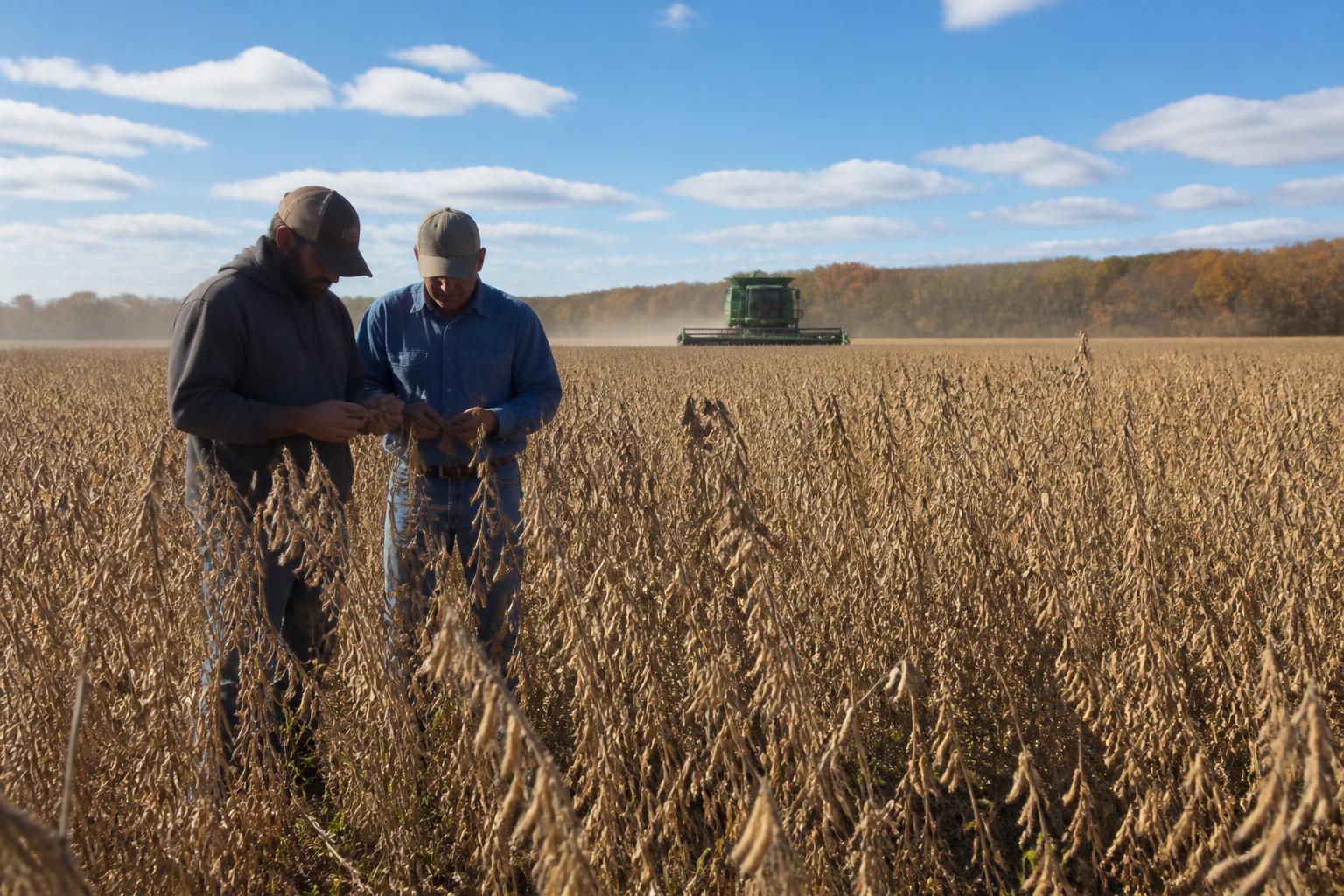
As the fall harvest momentum builds across Louisiana, producers are increasingly balancing seasonal logistics with a renewed emphasis on site-specific soil management. The state’s unique geography often demands rigorous attention to water table management, particularly in regions where flood risks can heavily influence annual yields and operational uptime.
For many local operations, protecting the season’s gains starts long before the combine hits the field. Current discussions among regional growers underscore how infrastructure improvements, particularly in drainage and storage logistics, are essential for mitigating the impact of heavy weather events on crop quality. Effectively managing moisture levels is a primary defensive strategy, helping to preserve the integrity of inputs applied throughout the growing cycle.
Refining Soil Strategies for Future Returns
Beyond immediate infrastructure needs, there is a growing interest in the mechanics of long-term soil health. Producers are finding that maintaining optimal nutrient levels is not just about raw application rates but about understanding how soil biology interacts with local drainage conditions. In some parts of the state, research into perennial grass control and high-tunnel environments is offering new insights into how farmers can extend growing windows and protect the soil profile from erosion.
Integrating Technology with Traditional Stewardship
The transition toward more precise agricultural management is evident as growers weigh the benefits of various input strategies. Whether evaluating the impact of phosphorus and potassium on soybean performance or looking into the viability of off-patent traits, the focus remains on economic efficiency. Integrating these modern tools into a farm's broader fertilizer and input procurement strategy often provides the stability needed to navigate volatile market cycles.
What it means for the market: The regional shift toward proactive soil management and improved water infrastructure suggests that Louisiana producers are prioritizing long-term yield stability. For agribusinesses and logistics providers, this indicates a steady demand for specialized equipment, soil amendments, and construction-related services that support the state’s agricultural resilience as the fall cycle continues.
Comments
No comments yet - be the first to share your take.