
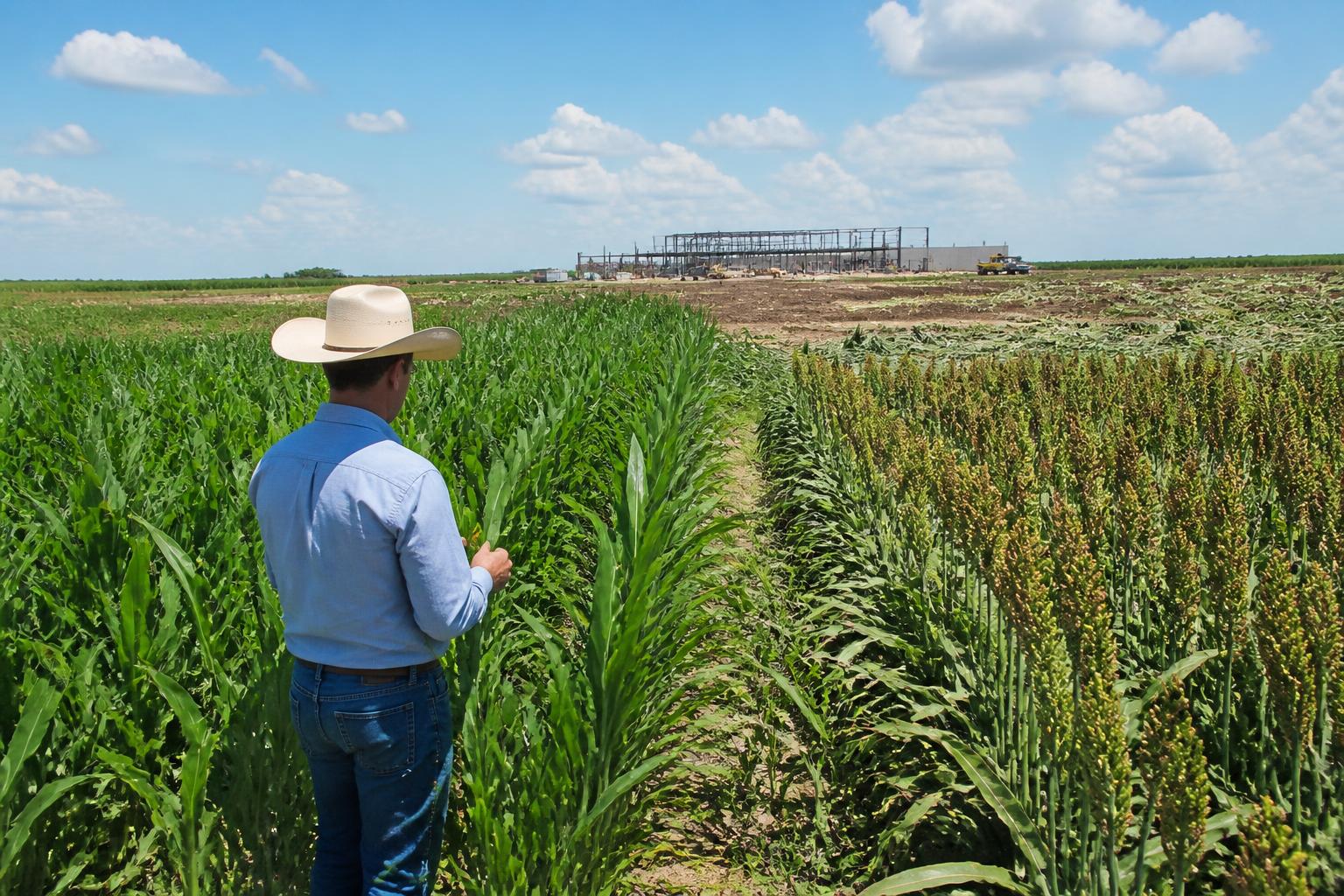
As we navigate the heart of the summer season in Texas, agricultural producers across the state are keeping a close watch on the intersection of weather patterns and local grain performance. Despite ongoing challenges regarding regional water availability and evolving biosecurity concerns, localized moisture in primary growing corridors has provided a much-needed boost to ongoing crop development.
For growers and grain handlers, these conditions appear to be influencing regional output projections, with reports suggesting that corn and sorghum crops are faring well in areas that have secured sufficient rainfall. As you prepare for the coming weeks, maintaining a focus on proactive marketing and storage strategies remains essential to mitigate potential volatility in regional price fluctuations.
Monitoring Field Conditions and Asset Protection
While field health remains a priority, the broader agricultural climate continues to require vigilance. Recent reports have highlighted the necessity of staying informed about emerging regional health risks, which can impact livestock movement and complicate cross-border supply chain operations. Strengthening your biosecurity and asset protection protocols is a critical step in shielding operations from unexpected disruptions as we head toward the final stretch of the summer harvest.
Furthermore, logistics managers should remain alert to the broader shifts in the state's transport infrastructure. Staying ahead of potential supply chain bottlenecks is key, especially as grain begins to move through major Texas-based elevators and transit hubs. Coordination with reliable carriers and monitoring local road conditions can help ensure your inventory reaches the market efficiently despite any unforeseen logistical challenges.
What it means for the market
The current market landscape is a reflection of local resilience. As corn and sorghum reach critical stages, the positive impact of localized moisture is helping to stabilize sentiment. However, with thin margins and persistent logistical variables, Texas producers should prioritize flexibility. Leveraging current price trends while maintaining tight control over on-farm storage and biosecurity measures will likely be the determining factors for success in this summer's market cycle.
Comments
No comments yet - be the first to share your take.