
The Evolving Landscape of Regional Transport
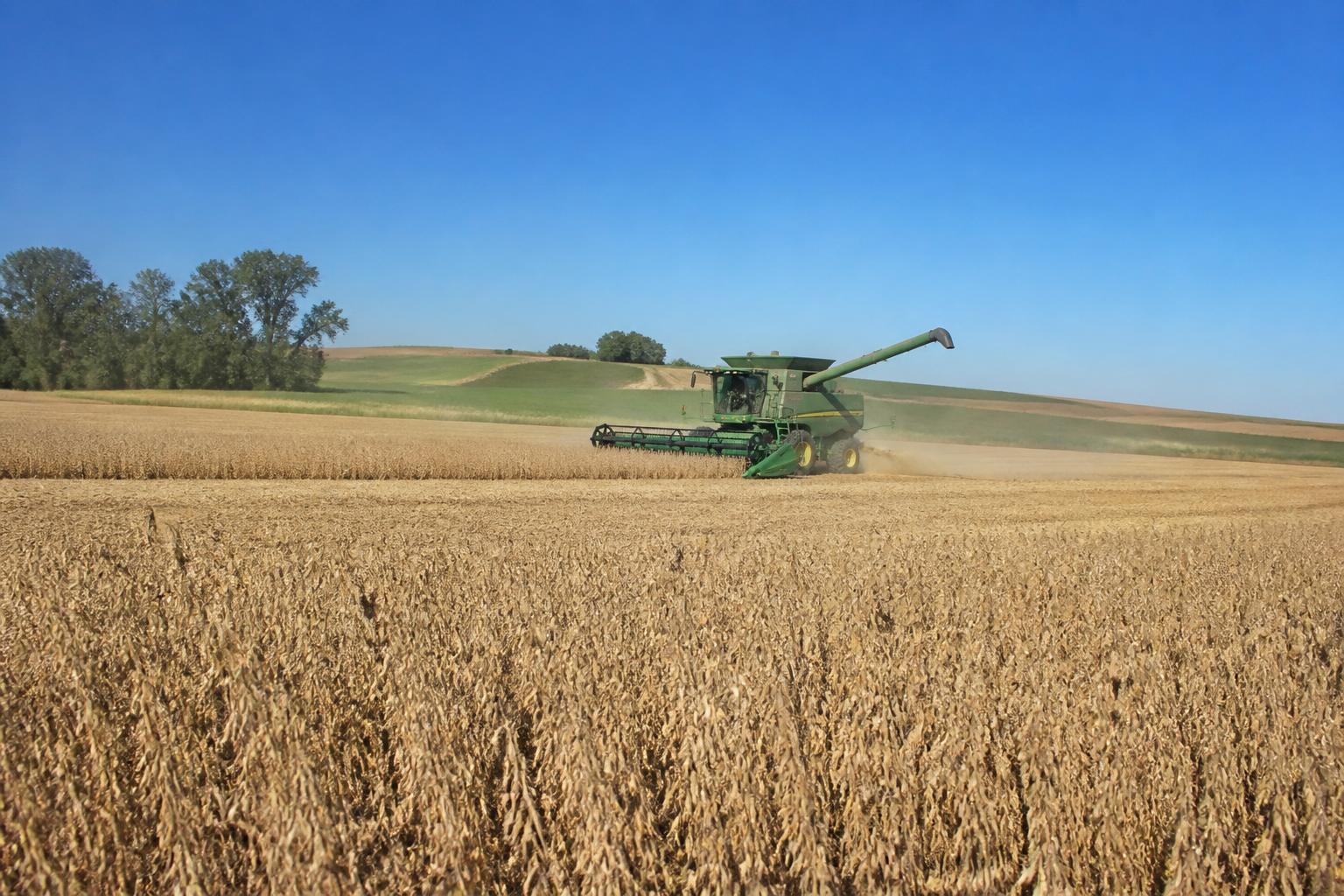
As the summer season progresses across the Dakotas, logistics and transport remain critical focal points for producers and grain handlers. With the harvest window approaching, efficiency in regional supply chains is often influenced by broader infrastructure capacity and the ongoing need for reliable logistics connectivity across the state's primary corridors. Ensuring that grain can move reliably from elevators to end-users is a constant challenge for those managing the flow of commodities during peak seasonal transitions.
For many agribusinesses, the current period represents a strategic time to evaluate storage capacities and transport options before the full pace of the harvest cycle begins. Managing seasonal harvest surpluses remains a priority for operators who must navigate both local road limitations and the potential for wider regional rail volatility, which can influence how quickly product is cleared from bins.
Global Market Intersections
Market dynamics in South Dakota are increasingly influenced by international developments. Recent reports indicate that while some international soybean markets have resumed buying activity, producers continue to face a somewhat daunting outlook regarding long-term price stability and export volume predictability. These shifts in trade appetite require local handlers to stay agile, as changes in international policy and procurement can rapidly adjust the pressure on domestic transport networks.
Moreover, federal-level legislative discussions regarding supply chain autonomy continue to draw attention, as they may eventually alter how U.S. agricultural commodities are distributed globally. Keeping a close watch on these developments is essential for logistics planners looking to mitigate risk in an uncertain export environment.
What it means for the market
For South Dakota farmers and grain handlers, the late summer phase is less about immediate record-breaking output and more about disciplined preparation. With a combination of fluctuating international demand and the persistent need for robust internal logistics, the current market environment favors those who prioritize supply chain resilience. As operations gear up for the coming months, maintaining clear communication with regional carriers and staying informed on infrastructure updates will be the best defense against the logistical bottlenecks that often accompany a high-yield season.
Comments
No comments yet - be the first to share your take.