
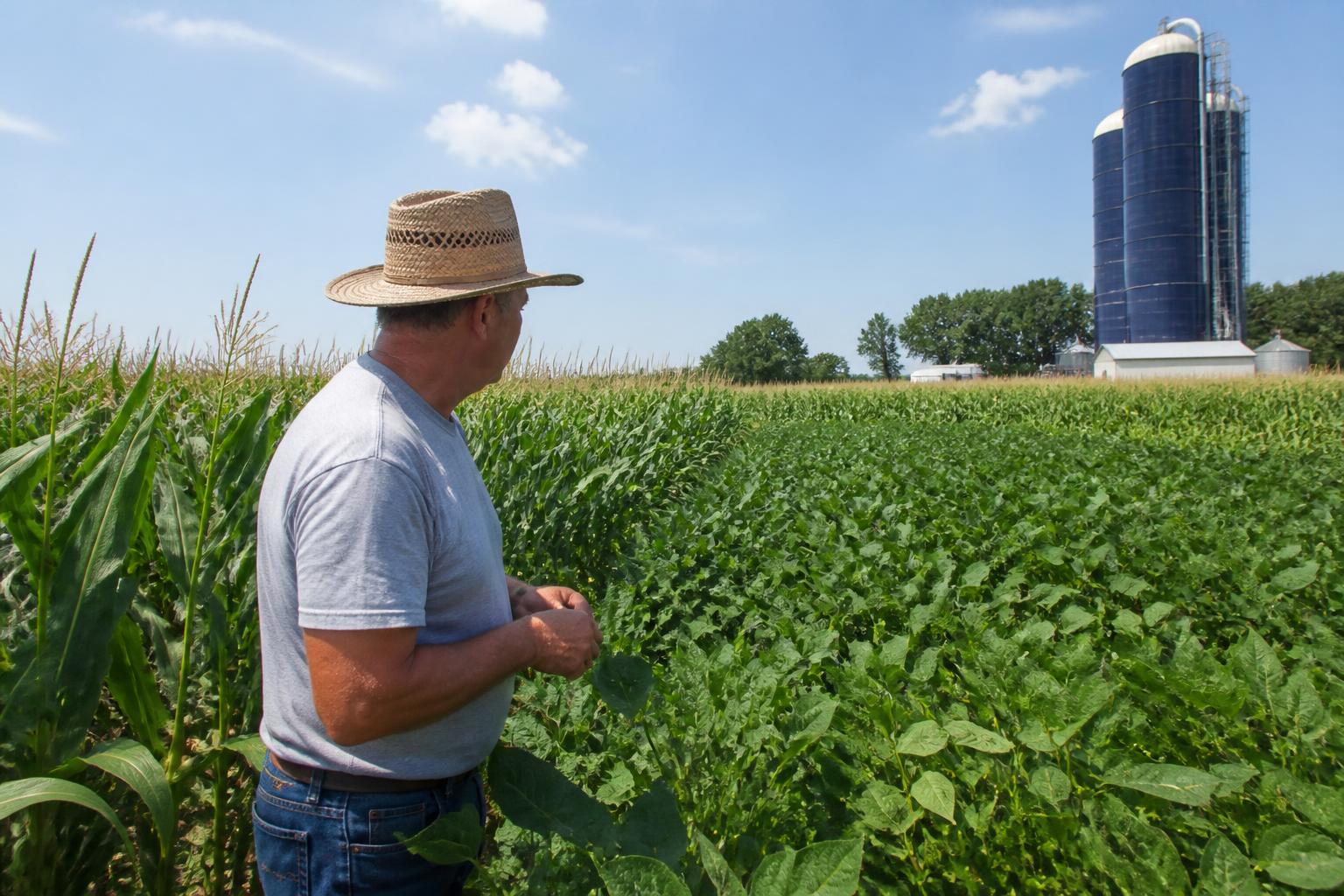
Navigating Harvest Logistics in South Dakota
As we move through August, South Dakota producers are turning their attention toward the upcoming harvest cycle. For many growers, the prospect of a bumper crop brings a familiar set of challenges related to storage capacity and transportation efficiency. Managing on-farm storage versus commercial delivery requires careful planning, especially when regional logistics corridors face seasonal pressure.
Ensuring grain quality begins long before the first combine enters the field. Producers who are preparing for high yields often find that proactive coordination with local grain elevators is essential. For those interested in long-term supply chain management, recent improvements in infrastructure and logistics remain a key factor in moving South Dakota grain more effectively to end markets.
Expanding Livestock and Distribution Capacity
Beyond crop logistics, the broader agricultural landscape in South Dakota is seeing movement in the livestock sector, supported by new incentive programs aimed at boosting development. These initiatives are designed to strengthen the state's capacity to handle increased feed demand, providing a more stable local market for producers. As agricultural distribution projects continue to evolve across the region, these developments may help bridge the gap between production and regional processing centers.
For those managing input costs, staying informed on current crop protection and moisture trends is vital as late-summer heat persists. Managing these variables early can help maintain yields and prevent quality issues during the storage phase, ensuring that grain reaching the bin is in the best possible condition for market sale.
What it means for the market
For South Dakota agribusinesses and grain handlers, the focus for the remainder of the summer remains on capacity and connectivity. Whether through utilizing state incentives for livestock expansion or optimizing logistical flows through upgraded industrial hubs, the goal is to reduce bottlenecks. Producers who prioritize storage maintenance and maintain open communication with local transportation partners are better positioned to handle the seasonal influx as the harvest window approaches.
Comments
No comments yet - be the first to share your take.