
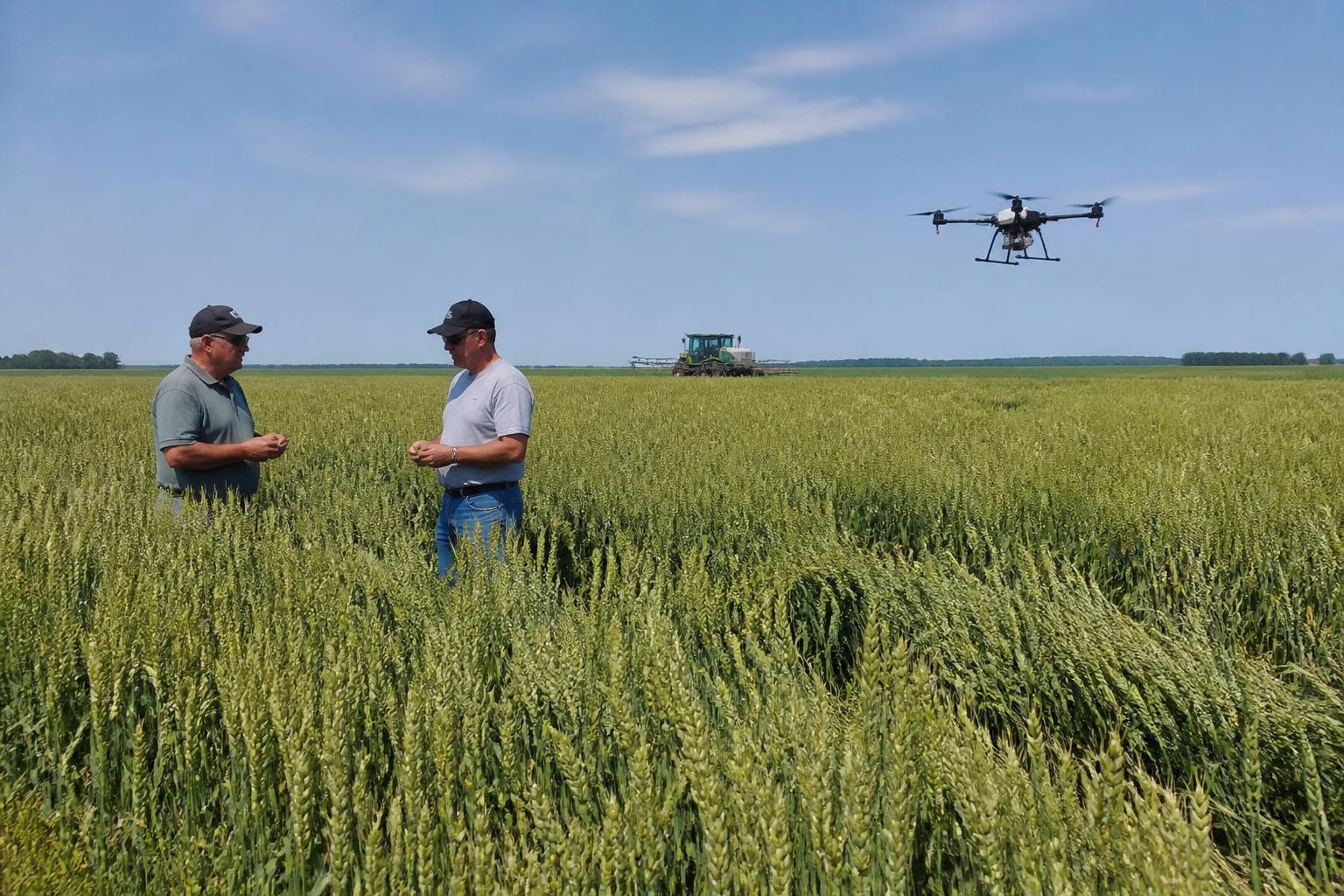
As we move through late August, New York agricultural producers are entering a critical window for harvest activities. In regions stretching from the fertile fields of Western New York to the bustling hubs closer to the Hudson Valley, the focus remains firmly on transport efficiency. For many farmers and grain handlers, the ability to coordinate machinery movement and product off-take is often the deciding factor in maintaining a profitable season during these high-traffic months.
Effective logistical planning in New York remains a core component of daily operations. Producers often find that early coordination with transport carriers and local elevators helps mitigate the common bottlenecks associated with peak summer harvest times. Whether utilizing secondary road networks or major corridors, maintaining an open line of communication with haulers is frequently suggested as a best practice to avoid delays during the busy transition period.
Managing Field-to-Market Efficiencies
The current landscape requires a proactive approach to equipment movement. Given the variable nature of New York's rural infrastructure, operators often benefit from staggered delivery schedules to manage intake volumes at local storage facilities. While the broader agricultural market faces global fluctuations and potential input cost volatility, the immediate priority for the local producer is often the tactical execution of the harvest itself. Addressing late-season pressures during transport preparation can further safeguard commodity quality and reduce waste during the final push of the season.
Key Operational Considerations
- Monitor local road and bridge weight restrictions, which may shift depending on seasonal rainfall and maintenance schedules.
- Maintain consistent contact with regional grain elevators to confirm intake windows and storage availability before peak harvest days.
- Prioritize equipment maintenance to prevent unexpected downtime on narrow rural routes, where recovery can be significantly slower.
What it means for the market: For New York agribusinesses and producers, success this season hinges on localized efficiency. While global commodity trends and input costs remain important long-term variables, the immediate profitability of the 2026 harvest will largely be determined by how effectively farmers navigate the logistical hurdles of the late-summer rush, ensuring that grain moves from the field to the terminal without unnecessary delay.
Comments
No comments yet - be the first to share your take.