
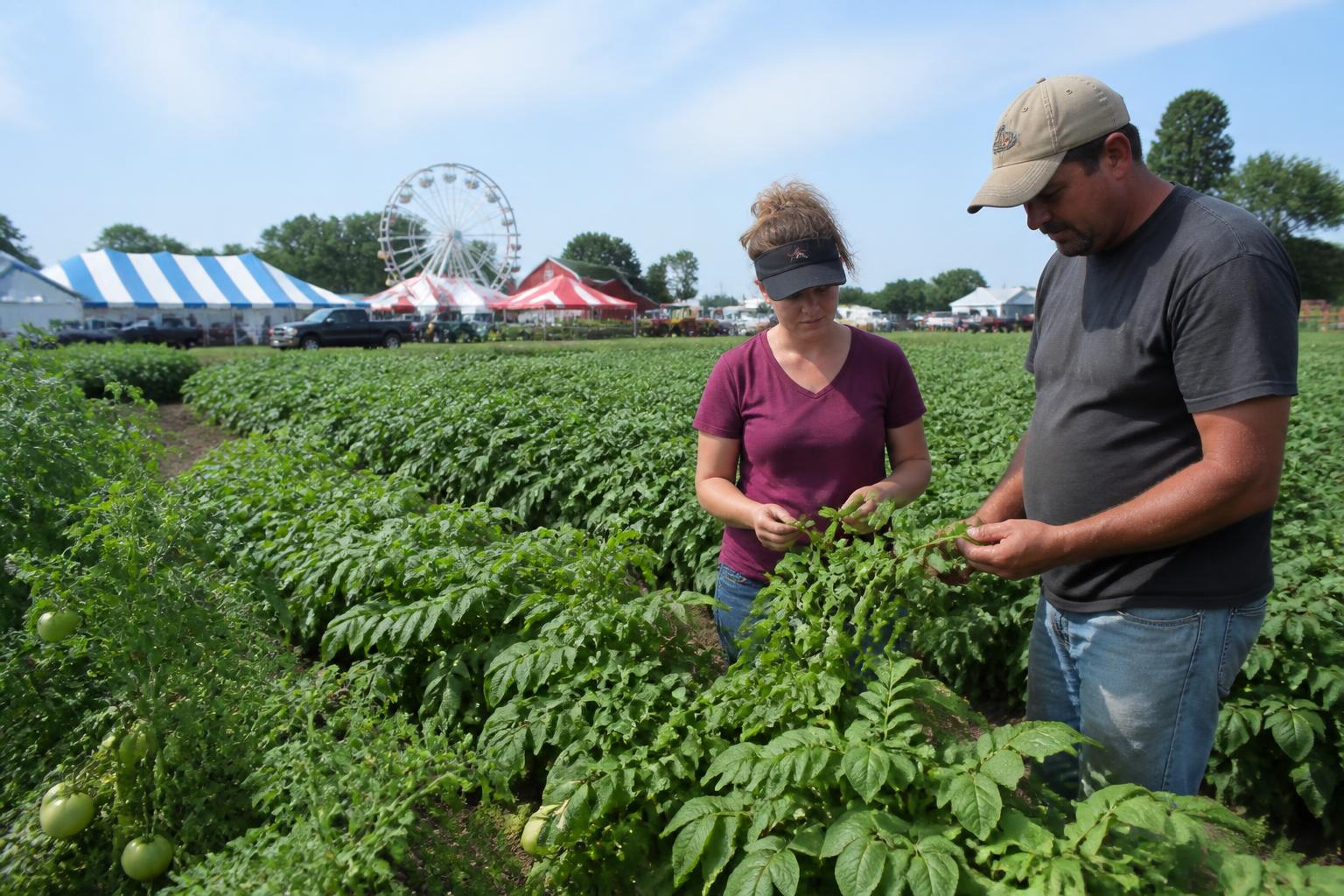
Mid-summer is a pivotal window for New York agriculture, as growers across the state monitor fields for shifting pest and disease threats. Recent field reports indicate that potato and tomato growers in Western New York, in particular, should remain vigilant for late blight, which can spread rapidly under the humid conditions often seen in August. Staying ahead of these pressures remains critical to protecting yield potential as we approach the final stages of the primary growing season.
Effective management is becoming more nuanced as farmers weigh the long-term utility of crop protection tools. While regional interest in novel nematicides and integrated management strategies continues to grow, the industry is also engaging with broader policy discussions. Recent legislative efforts have spotlighted concerns regarding the application of certain materials on farmland, prompting a closer look at how producers can balance immediate crop health management with sustainable soil stewardship.
Navigating Market Dynamics and Logistics
Beyond the field, New York agribusinesses are navigating a complex supply landscape. Whether you are operating on the East End of Long Island or managing logistics in the Hudson Valley, securing reliable access to inputs requires proactive planning. As market pressures persist, keeping a close watch on regional distribution networks and local availability is essential for maintaining operational efficiency throughout the summer.
Logistical fluidity remains a recurring theme for upstate grain handlers and input suppliers. With the summer travel season at its height, including significant movement toward major events like the Great New York State Fair in Syracuse, transport routes may experience increased density. Reliable transit is a cornerstone of the agricultural supply chain, and staying informed on regional infrastructure performance can help prevent unexpected delays in moving essential protection products to the farm gate.
What it means for the market
The current market environment requires a dual focus: technical diligence in the field and strategic awareness of the supply chain. For producers, the priority is clear-maintaining robust disease and pest surveillance programs while navigating the regulatory conversations that will shape future input access. By leveraging local resources and staying connected to regional industry updates, New York growers and handlers can better mitigate the risks associated with this volatile season.
Comments
No comments yet - be the first to share your take.