
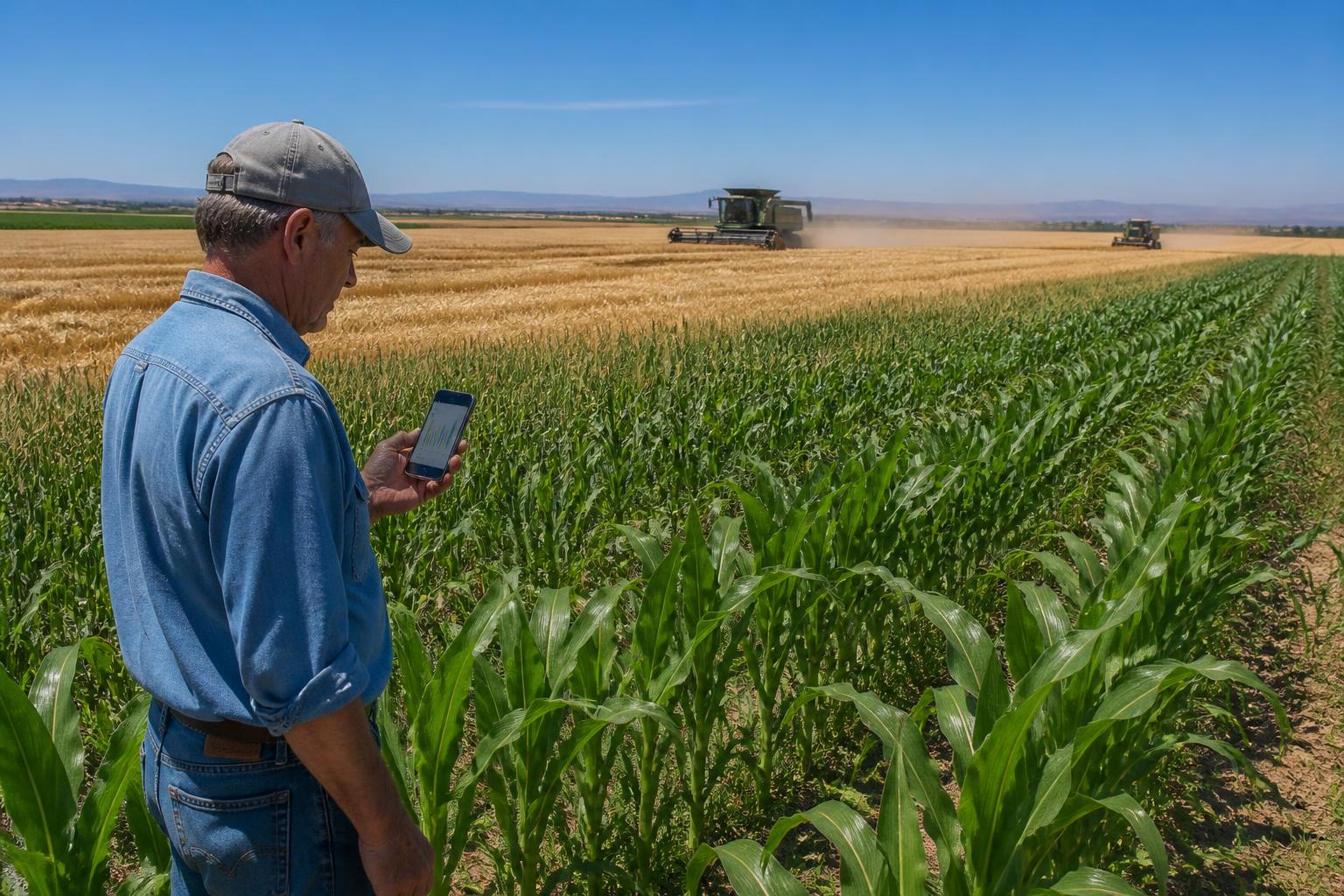
California producers are seeing a renewed focus on regional agricultural sustainability as the California Department of Food and Agriculture (CDFA) continues to prioritize its Fertilizer Research and Education Program. By allocating targeted funding toward new research projects, the state is looking to enhance nutrient efficiency and improve soil health management across diverse growing regions, from the Central Valley to coastal corridors.
For growers and agribusinesses, these initiatives underscore the ongoing effort to balance production intensity with long-term land stewardship. As input prices remain a significant variable in operational planning, staying informed about advancements in soil health and supply chain resilience is increasingly vital. These research efforts often aim to provide farmers with practical tools to optimize nutrient application, potentially lowering input costs while maintaining crop yields in a competitive market environment.
Regulatory and Market Landscape
The regulatory environment for agricultural inputs in California remains dynamic. With recent discussions surrounding specific chemical labeling and the status of certain pesticides, farmers are encouraged to keep a close watch on legislative updates that may impact input availability. These shifts often create a ripple effect, influencing regional procurement strategies and highlighting the importance of diversification in nutrient management.
Strategic Planning for the Current Season
As the summer progresses, the focus shifts toward maintaining late-season crop vigor. Whether managing specialty crops or forage, the integration of data-driven insights is becoming a standard practice. Many producers are now leveraging digital tools to track market data in real-time, allowing for more agile responses to price fluctuations and supply shifts.
What it means for the market: Producers should anticipate a continued emphasis on efficiency-led growth. By aligning operational strategies with the latest research-backed nutrient practices and staying updated on regulatory developments, California's agricultural sector can better navigate the complexities of the current input landscape. Maintaining a lean, informed approach to input procurement will remain a key driver for stability as we head toward the next harvest cycle.
Comments
No comments yet - be the first to share your take.