
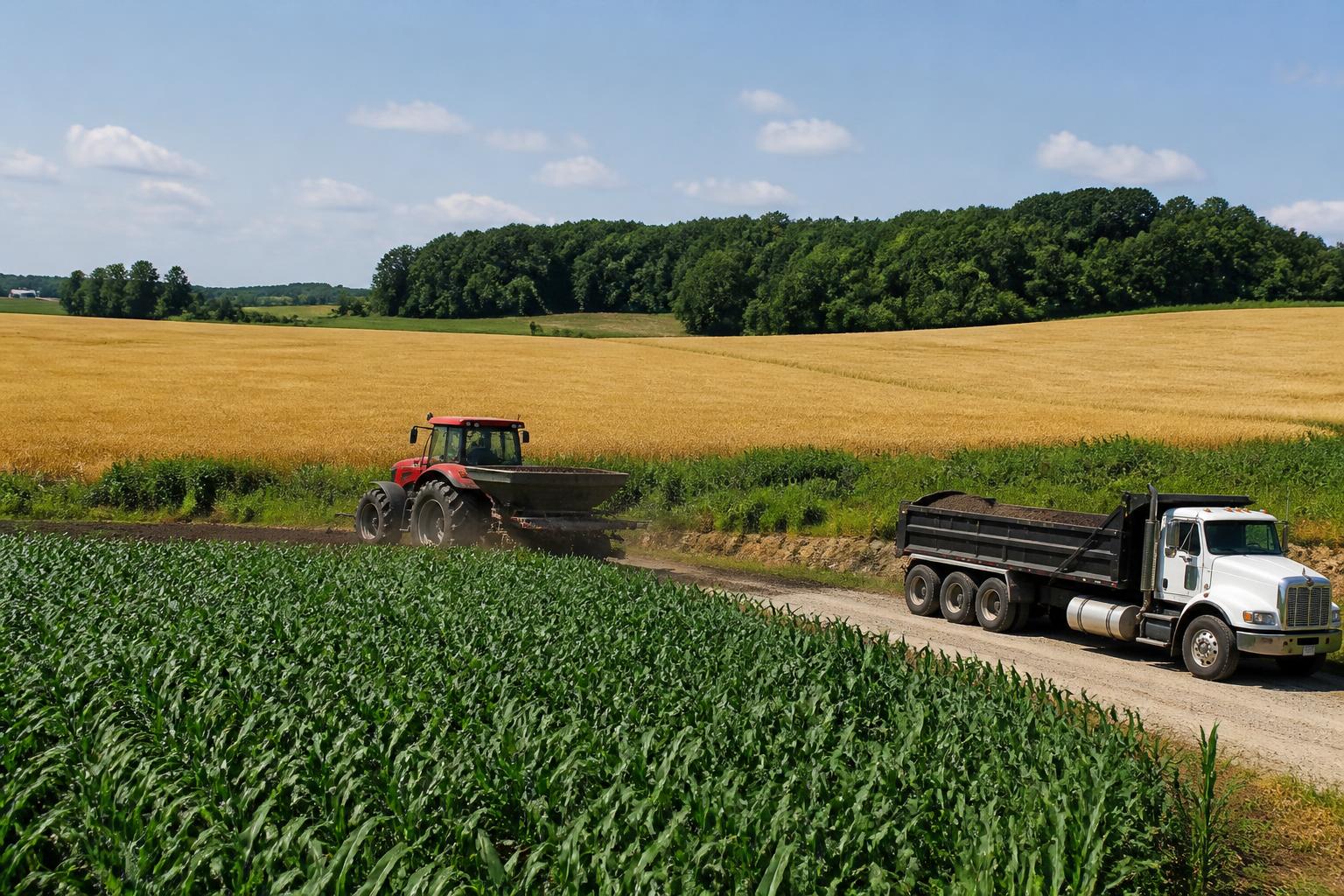
Mid-summer in Ohio is a critical period for assessing input strategy and monitoring the evolving logistics network that powers our local agricultural economy. With harvest preparation on the horizon, farmers across the state are balancing immediate nutrient requirements with long-term procurement plans. Staying informed on how to navigate nitrogen price volatility remains a top priority for protecting farm margins as we move through the second half of the year.
New Frontiers in Fertilizer Production
Ohio’s agricultural landscape is seeing a push toward innovation with new, localized production models. Recent developments in renewable natural gas and organic fertilizer projects suggest a shift toward more sustainable, home-grown input options. For many operators, integrating these sources may offer a hedge against the price swings often associated with global supply chains. These ventures, supported by local collaborative efforts, underscore the importance of securing a stable supply of nutrients closer to the field.
Logistics and Market Resilience
The efficiency of the agricultural supply chain remains a constant focus for Ohio handlers and cooperatives. From the movement of grain to the distribution of essential inputs, infrastructure reliability is paramount. While recent trends show a push for improved distribution centers and joint ventures to streamline operations, producers should remain mindful of market signals and the financial health of local storage facilities. Maintaining a flexible procurement plan is one of the best defenses against unexpected supply disruptions.
Key Takeaways for Producers
- Diversification: Evaluate the role of emerging organic or bio-based fertilizer products in your nutrient management plan.
- Market Vigilance: Stay current on local price reporting to avoid overexposure to volatile pricing periods.
- Logistical Preparedness: Coordinate early with local agronomists and suppliers to ensure your storage and delivery windows are locked in before the busy fall season.
What it means for the market: The Ohio fertilizer market is currently defined by a transition toward localized efficiency and increased scrutiny of procurement strategies. By leveraging new production opportunities and staying tethered to reliable distribution networks, farmers can better insulate their bottom lines against broader price fluctuations.
Comments
No comments yet - be the first to share your take.