
For many Ohio producers, the current market climate remains characterized by persistent uncertainty regarding fertilizer pricing. Navigating these costs has become a critical component of seasonal planning, especially as growers balance the necessity of crop nutrition with the reality of compressed margins. Whether managing corn or wheat acres across the state, the ability to maintain precise nutrient management is no longer just a best practice; it is a fundamental pillar of modern farm solvency.
As we move through late summer, the focus for many agribusinesses is shifting toward assessing post-harvest needs and evaluating long-term input strategies. Understanding these shifts is key to protecting Ohio grain logistics and maintaining operational flexibility. Recent advancements in precision tools have provided farmers with new ways to monitor nitrogen needs, allowing for better allocation of resources and reduced waste in fields where soil health and potential yield must be carefully managed.
Refining Application Strategies
Efficiency in the field is increasingly tied to the timing and delivery of nutrients. With the introduction of new application technologies, growers are finding opportunities to refine their approach during the planter pass, which can directly influence crop uptake and reduce the need for excessive broadcast applications. By focusing on site-specific requirements, farmers in regions such as the fertile plains of Western Ohio are identifying ways to optimize their grain storage and logistics by ensuring that every dollar spent on fertilizer translates into measurable yield improvements.
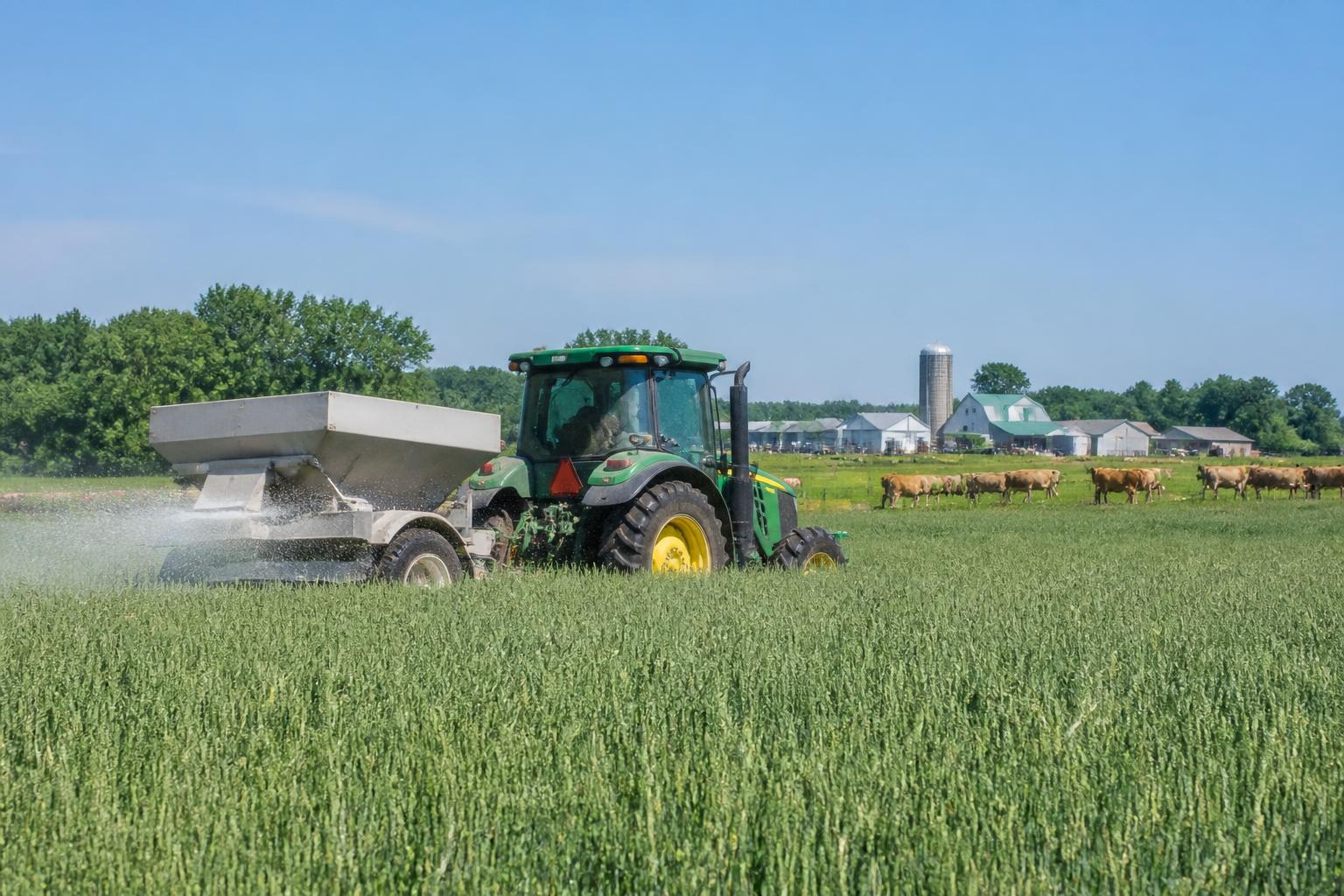
Maintenance of equipment also plays a significant role in input efficiency. Whether upgrading to modern liquid application systems or utilizing specialized dry fertilizer spreaders, the goal remains the same: precise placement. This hardware-centric approach helps mitigate the risks associated with price volatility, as it allows for a more controlled expenditure of limited operating capital throughout the growing season.
The Value of Data in Decision Making
Information remains the most valuable tool for Ohio agribusinesses. As local agricultural councils and research stations continue to provide insights into regional soil performance, many producers are revisiting their standard application programs. It is worth investigating whether certain applications, such as phosphorus, can be adjusted based on historical soil test data without compromising output. This type of data-driven stewardship is becoming essential for managing field protection and crop management in a competitive economic landscape.
What it means for the market: For growers and input buyers, the priority for the coming months is to leverage existing soil health data and new precision application tools to hedge against unpredictable pricing. By shifting from broad-spectrum application methods to targeted, efficient delivery, farmers can better stabilize their input budgets and protect the long-term productivity of their land.
Comments
No comments yet - be the first to share your take.